Dubai City Tour
- Written by: Times Media
Luxury Desert Resorts in Dubai, UAE – The Ultimate Desert Escape Guide
By Triphabibi Travel Experts · Updated 2026
Dubai's luxury desert resorts offer an unforgettable blend of Arabian romance, five-star comfort and breathtaking dune scenery. From private pools and spa retreats to desert safaris and stargazing dinners, these resorts are the ultimate escape. This guide covers what to expect, the best experiences and how to plan your stay with Trip Habibi.
The Allure of Dubai's Desert Resorts
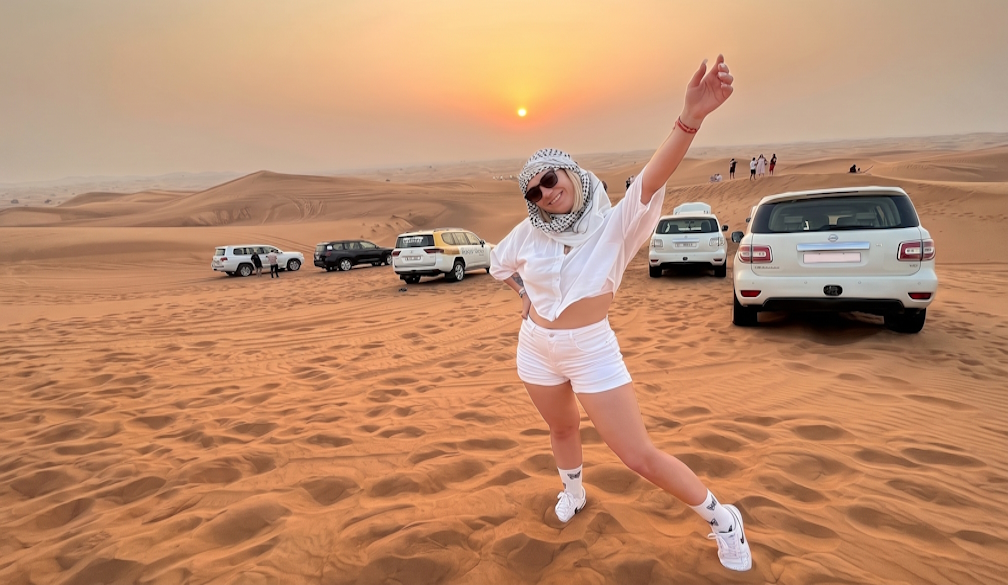
Dubai's luxury desert resorts offer a magical escape from the bustle of the city, immersing guests in the timeless beauty and tranquillity of the Arabian desert. Set amid rolling golden dunes, these resorts combine the romance of a traditional desert setting with the impeccable comfort and service of five-star hospitality.
The appeal lies in the sense of seclusion and serenity, where the only sounds are the whisper of the wind across the sand and the calls of desert wildlife. Watching the sun set over the dunes from a private terrace, then dining under a sky full of stars, creates an atmosphere of pure indulgence and escape that few destinations can match.
Five-Star Accommodation
Luxury desert resorts in Dubai are renowned for their exquisite accommodation, often featuring private villas or elegant suites inspired by traditional Bedouin design yet appointed with every modern comfort. Many rooms boast private plunge pools, spacious terraces and uninterrupted views across the endless dunes.
The attention to detail is extraordinary, from sumptuous furnishings and fine linens to personalised service that anticipates every need. This blend of authentic Arabian style and world-class luxury ensures that guests enjoy a truly pampered stay, cocooned in comfort while surrounded by the raw natural beauty of the desert.
Spa and Wellness Retreats
Wellness is a cornerstone of the luxury desert resort experience, with world-class spas offering a sanctuary of relaxation amid the serene surroundings. Guests can indulge in soothing treatments, traditional therapies and rejuvenating rituals inspired by Arabian traditions, often using local ingredients such as dates and desert botanicals.
The tranquil desert setting enhances the sense of calm, making these spa retreats especially restorative. Combined with yoga sessions, infinity pools and peaceful lounging areas, the wellness offerings allow guests to unwind completely, leaving refreshed in body and mind. It is the perfect antidote to a busy lifestyle and a highlight of any desert escape.
Desert Safaris and Adventures
Staying at a luxury desert resort places thrilling adventures right on your doorstep. Guests can enjoy private desert safaris with dune bashing, camel treks across the sands and exhilarating activities such as sandboarding, all arranged with the ease and exclusivity that these resorts are known for.
For a gentler pace, sunrise and sunset dune walks offer a peaceful way to appreciate the landscape. These adventures blend seamlessly with the resort's relaxed luxury, allowing guests to experience the excitement and beauty of the desert before returning to the comfort of their villa, making the stay both invigorating and indulgent.
Falconry and Wildlife Encounters
Many luxury desert resorts offer authentic cultural experiences such as falconry, an ancient Emirati tradition that provides a fascinating and memorable encounter. Watching these magnificent birds soar and return to the falconer's glove connects guests to the heritage of the region in a truly special way.
Some resorts are set within conservation reserves, where guests may spot desert wildlife such as Arabian oryx and gazelles roaming freely. These wildlife and cultural encounters add depth and authenticity to the stay, allowing guests to appreciate the natural and traditional heritage of the desert alongside their luxurious surroundings.
Dining Under the Stars
Dining at a luxury desert resort is an experience in itself, often taking place under a canopy of stars in stunning outdoor settings. From gourmet multi-course dinners to private barbecues on the dunes, the culinary offerings blend international sophistication with authentic Arabian flavours.
The magic of dining in the desert lies in the atmosphere: flickering lanterns, gentle desert breezes and the vast, star-filled sky overhead. Whether enjoying a romantic private dinner or a lavish feast with traditional entertainment, these dining experiences create unforgettable memories and rank among the most cherished moments of a desert resort stay.
Romance and Special Occasions
Luxury desert resorts are among the most romantic destinations in Dubai, making them perfect for honeymoons, anniversaries and special celebrations. The combination of privacy, breathtaking scenery and impeccable service creates an intimate, magical atmosphere ideal for couples seeking a memorable escape.
Resorts often offer bespoke romantic experiences, from private dinners on the dunes and couples' spa treatments to surprise celebrations arranged by attentive staff. Watching the sunset together, relaxing in a private pool and dining beneath the stars combine to make a desert resort stay a truly enchanting experience that couples treasure for a lifetime.
Stargazing and Night Skies
Far from the city lights, luxury desert resorts offer spectacular stargazing opportunities, with clear, dark skies revealing countless stars. Many resorts arrange guided stargazing sessions, sometimes with telescopes and expert astronomers, allowing guests to explore the wonders of the night sky in a truly serene setting.
The experience of lying back on the dunes and gazing up at the shimmering heavens is profoundly peaceful and awe-inspiring. This connection to the vastness of the universe, enjoyed in comfort and tranquillity, is one of the unique joys of a desert resort stay and a magical way to end a day in the desert.
Family-Friendly Desert Luxury
While often associated with romance, many luxury desert resorts also cater beautifully to families, offering spacious accommodation, kids' activities and gentle desert experiences suitable for children. Camel rides, nature walks and interactive cultural activities provide fun and learning in a safe, luxurious environment.
Family-friendly resorts ensure that parents can relax and unwind while children are entertained, creating a memorable holiday for all ages. The combination of comfort, adventure and cultural discovery makes a desert resort an excellent choice for families seeking a unique and indulgent escape that blends relaxation with unforgettable shared experiences.
Best Time to Visit
The best time to enjoy a luxury desert resort in Dubai is during the cooler months from October to April, when the weather is pleasant for outdoor pools, dune activities and alfresco dining. During this period, days are comfortably warm and evenings are cool, perfect for enjoying the full range of desert experiences.
In the hotter summer months, resorts remain enjoyable thanks to air-conditioned villas, shaded pools and indoor amenities, though outdoor activities are best kept to the early mornings and evenings. Planning your stay for the cooler season ensures you can make the most of everything a desert resort has to offer in complete comfort.
Choosing the Right Resort
With several stunning luxury desert resorts to choose from, selecting the right one depends on your priorities, whether romance, family fun, wellness or adventure. Consider the resort's location, the style of accommodation, the range of activities and any special experiences that appeal to you when making your choice.
Some resorts emphasise seclusion and conservation, while others focus on lavish amenities and entertainment. Taking the time to match a resort to your preferences ensures a stay that perfectly suits your desires, and expert local guidance can help you identify the ideal option for an unforgettable desert escape tailored to your needs.
Plan Your Desert Escape With Triphabibi
Triphabibi can help you plan the perfect luxury desert resort escape in Dubai, arranging stays, transfers and bespoke desert experiences for a seamless and indulgent getaway. With Trip Habibi handling the details, you can relax and look forward to a magical retreat amid the dunes.
Whether you are seeking a romantic honeymoon, a peaceful wellness break or a memorable family holiday, a trusted local operator ensures every aspect of your desert escape is smooth and stress-free. This lets you focus entirely on savouring the beauty, tranquillity and five-star luxury of Dubai's extraordinary desert resorts.
Frequently Asked Questions
What are luxury desert resorts in Dubai?
They are five-star retreats set amid the dunes, offering private villas or suites, pools, spas, fine dining and desert activities in a serene, romantic setting.
What experiences do desert resorts offer?
Typical experiences include desert safaris, camel rides, falconry, spa treatments, stargazing dinners and private pool relaxation.
Are desert resorts good for couples?
Yes, their romantic settings, privacy and luxurious amenities make them ideal for couples, honeymoons and special occasions.
When is the best time to stay at a desert resort?
The cooler months from October to April are ideal for enjoying the outdoor pools, dunes and activities in comfort.
How can I book a desert resort experience?
Triphabibi can help arrange stays, transfers and desert experiences for a seamless luxury escape.