Seafood stakeholders call for a level playing field for Sustainability
HONG KONG SAR - Media OutReach Newswire - 6 March 2025 - A consortium of civil society organisations today called on the Hong Kong government to urgently address critical gaps in the city's seafood import regulations.
The coalition warns that Hong Kong's current regulatory framework dates back to the 1940s and fails to ensure the safety, sustainability, and traceability of seafood products entering the city, posing risks to public health, marine ecosystems, and consumer trust.
"Our call for action responds to the findings of research released over decades by different academics and NGOs, that continue to point to the same systemic issues which remain unresolved today," said Sophie le Clue, CEO of ADM Capital Foundation.
The most recent research released in December 2024 found that of all the data necessary to ensure sufficient traceability, the Hong Kong authorities are only requiring collection of 12% of such data, in stark contrast to other countries. The call for action comes at a time when many of Hong Kong's trading partners (Mainland China, Japan, South Korea, Indonesia, the EU and the USA) are making substantial efforts to develop and implement measures to facilitate traceability—benefiting both suppliers and buyers who wish to source responsibly and sustainably, as well as consumer health and well-being.
"To remain competitive, Hong Kong must align with international standards and best practices by strengthening import controls," said Benjamin So, Founder of 178 Degrees, a seafood importer. "While certain leading businesses in the industry have been promoting sustainable seafood for years, and expending resources to ensure their seafood is sourced responsibly and sustainably, the issue is ignored by many in the sector–and without government intervention and support, there is no level playing field or motivation for the industry to change," he added.
Both the Hong Kong Sustainable Seafood Coalition (HKSSC) and WWF-Hong Kong's Sustainable Seafood Business Membership Programme are at the forefront of driving changes in industry practices and promoting seafood sustainability. As HKSSC Secretariat Mandy Wong explains, "The HKSSC was established by industry leaders to advance sustainable seafood practices in Hong Kong and Macau. Our corporate members are deeply committed to responsible sourcing and are dedicated to mainstreaming sustainable seafood. However, without government policies and legislation to address unethical practices and encourage responsible procurement, there are limits to what we can achieve."
Echoing these concerns Lydia Pang, Head of Oceans Conservation at WWF-Hong Kong explains that "whilst some businesses are proactive and engaged, without sufficient traceability requirements, we continue to risk consuming seafood that may be harmful to our health, sourced through illegal fishing practices, or contributing to the depletion of global fish stocks."
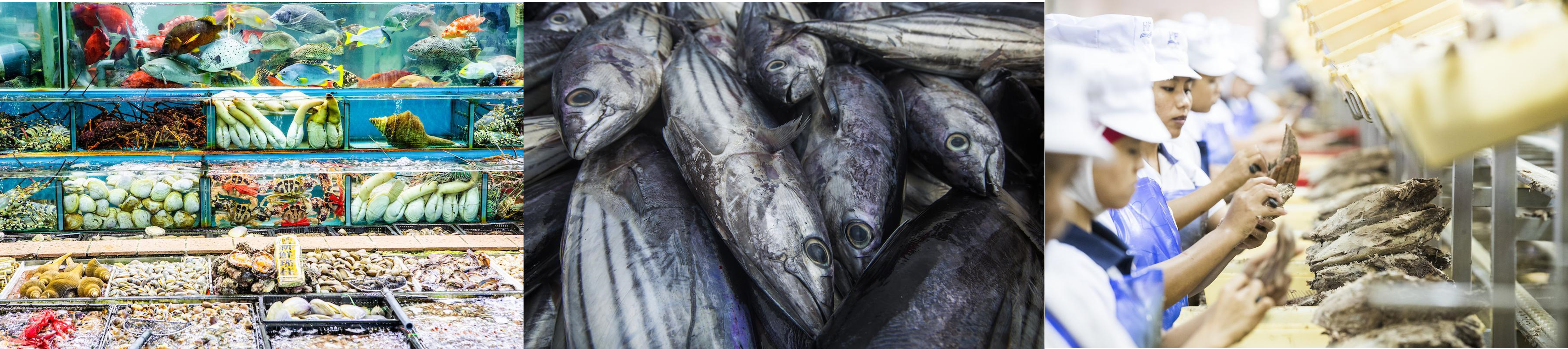
Hong Kong ranks among the top importers of seafood by value and volume. The city serves as a major hub for seafood trade in Asia, with a substantial portion of its imports being re-exported to mainland China and other regional markets. Its seafood consumption is exceptionally high due to its dense population, affluent economy, and cultural preference for fresh seafood. This makes Hong Kong a critical player in the global seafood supply chain.
The city is also a hub for high-demand luxury products such as live reef food fish, shark fin, and fish maw, but traceability for these imports is insufficient. A study by the University of Hong Kong (HKU) iterated the finding of previous research on significant data gaps in the live reef food fish trade, valued at over USD 2 billion. "Such gaps lead to a multitude of issues - environmental harm through overfishing and ecosystem damage, economic losses, and illegal fishing. They also give rise to ethical concerns, such as labour exploitation, health risks, and present a slew of regulatory challenges." Said Prof. Celia Schunter from HKU.
The consortium has submitted a formal letter to the Hong Kong government and is calling on it to consider their concerns and prioritise a review of Hong Kong's existing legislation and policy developments in relation to the seafood trade. Recommendations include traceability, health and safety, port measures and stakeholder collaboration.
1. Traceability:
a. Add Key Data Elements (KDEs) like species' scientific name, catch/farming method, and location.
b. Develop digital traceability standards and align with Global Dialogue for Seafood Traceability (GDST).
c. Amend the Fish Marketing Ordinance to include live fish, crustaceans, and molluscs.
d. Require all Class III fish carrier vessels to comply with Marine Department clearance.
2. Health & Safety:
a. Mandate health certificates and stricter import checks.
b. Land all seafood at designated ports for quarantine and monitoring.
3. Port Measures:
a. Require Hong Kong-registered vessels to report entry/exit.
b. Align with FAO's Transshipment Guidelines.
4. Stakeholder Collaboration:
a. Promote best practices through coalition or business networks such as the Hong Kong Sustainable Seafood Coalition.
b. Foster collaboration among government, industry, and NGOs.
Hashtag: #ADMCapitalFoundation
The issuer is solely responsible for the content of this announcement.