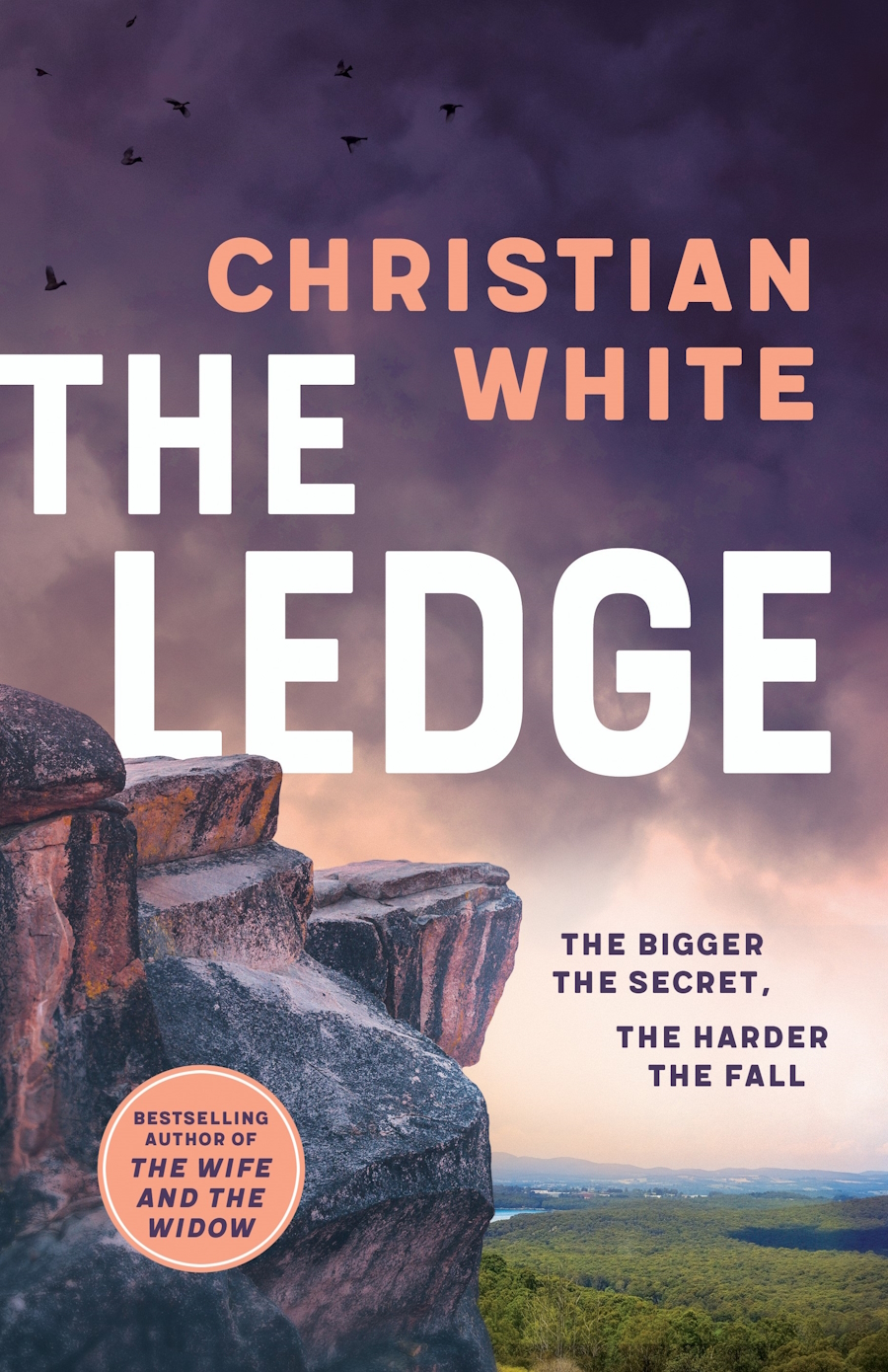
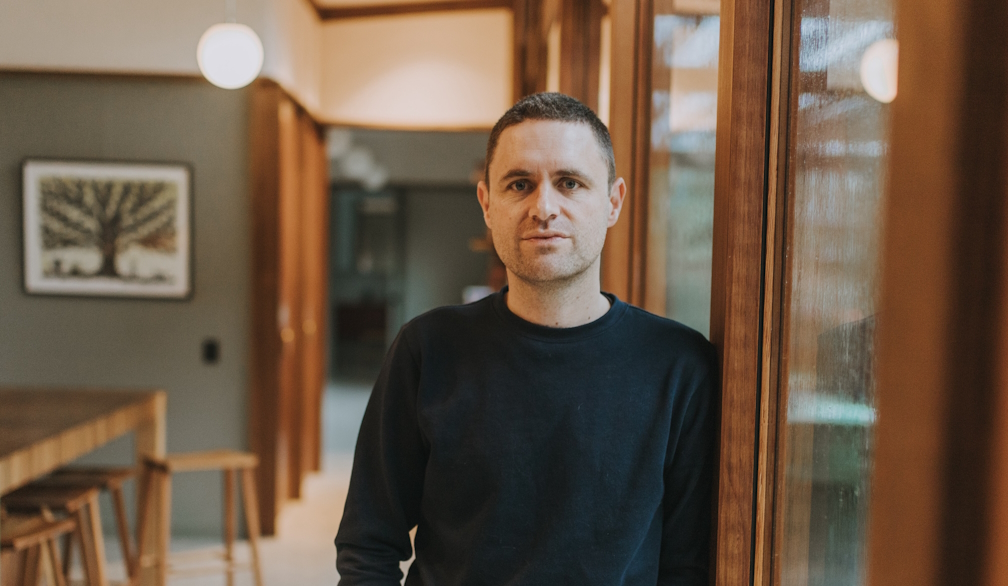
Interview with author Christian White. His latest book The Ledge is out now
- Written by: The Times
What inspired you to write the book?
I’d always wanted to write a coming-of-age thriller. The book started as a love letter to all the coming-of-age books and movies that shaped me as a teenager: Lord of The Flies, It, The Body / Stand By Me, The Goonies, etc. With that as a jumping-off point, the first version took place entirely in the 90s, following a group of teenage boys. But as I drew more and more inspiration from my own high school friends, reflecting on the wonders and horrors of puberty, I started to feel… sad. I don’t really see any of my high school friends anymore. I don’t use social media anymore, so I can’t even stalk them. I got stuck on this question: How can someone mean the world to you when you’re a kid and become a virtual stranger later in life? I started to wonder how the events of the kids’ story might affect them as adults, and then the present-day story poured out.
What research did you do to write the book?
Most of the research I did was around technology in the 90s. Aaron’s Nokia and Justin’s floppy disk play integral parts in the plot, so I needed to get it right. The boys’ story was initially set in 1998—when I was sixteen—but I shifted it into 1999 to take advantage of the “new” mobile phone technology of the time. The research made me nostalgic. I got very sidetracked looking at modern-day “dumb” phones and was ready to toss my iPhone into the ocean and get myself a flip phone… until I realised I don’t know how to get anywhere without a maps app.
How was the experience of writing this book different from the others?
Writing this felt much more personal than writing my other books. The Ledge is about a weird teenager (which I was) and a forty-something author (which I am). I drew on my personal experiences when writing Wild Place, but this felt more organic – more like I was finding the story than making it up. Then again, all my books required me to access personal, secret places in myself. Often, you don’t know those secret places are there until they’re on the page, so you learn a lot about yourself. The Ledge was supposed to be about the inevitable death of childhood. But I learned that the child doesn’t have to die. Writing books, films, and TV is really like an extension of the imaginative play I did as a kid. The only difference now is that I write stories down instead of acting them out alone in the playground like a weirdo (which I did).
My book is about boys without dads, the double-edged sword that is masculinity, the moral shades of friendship and loyalty, how far you would—and should—go for a friend, and the fact that time doesn’t necessarily heal all wounds. The why is a bit of a mystery to me. I never think about themes when I’m writing. I’m not smart enough for that. I’m also really lazy. I just sort of mix all the ingredients together and see what bubbles up from the soup.
If I had to guess – and it really is a guess – I’d say becoming a dad has something to do with why I chose to write my coming-of-age book now and what it ended up being about. Having a child is amazing. Amazing! But when my daughter came along, I felt myself climbing to the next rung of an imaginary ladder to make room for her, nudging the next generation – my parents – closer toward the top of that ladder. For the first time in my life, I stopped being the centre of my own universe. I want to be the best dad possible, so I looked to my own dad for pointers. My dad is incredible. He’s funny, weird, loyal and emotionally open. Having a male role model like that formed so much of the man I am (something I didn’t realise until having a kid of my own). But what if he hadn’t been around? The Ledge might be the answer to that question.
Christian White is an Australian author and screenwriter whose credits include feature film Relic, Netflix series Clickbait and numerous other projects in the pipeline. His debut novel The Nowhere Child was one of Australia's bestselling debut novels ever, with rights sold in 17 international territories and a major screen deal. Christian's second book, The Wife and the Widow (2019), and third, Wild Place (2021), were instant bestsellers. The Ledge is his fourth novel.