How Long Do Refurbished iPhones Last?
- Written by: The Times
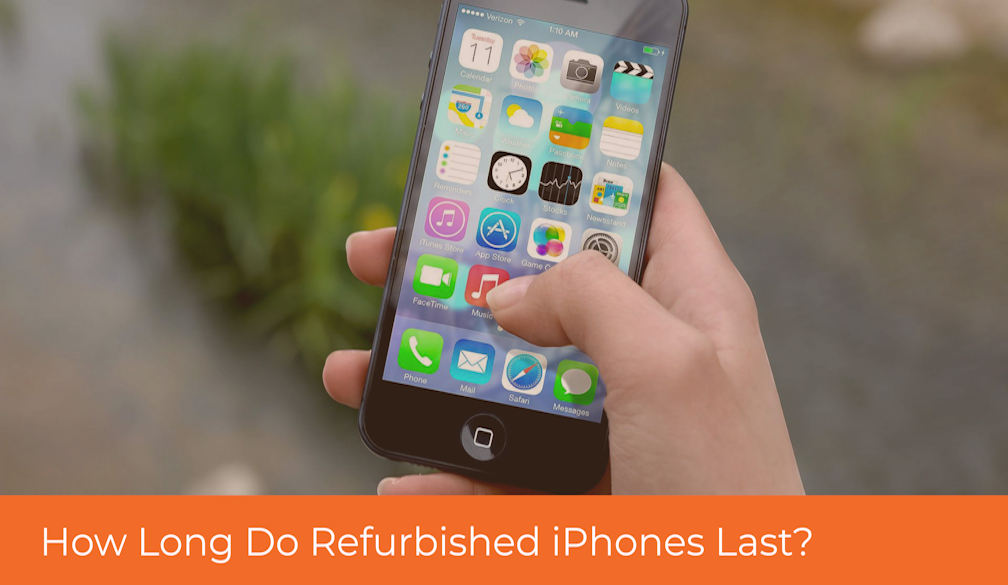
When considering a refurbished iPhone, one common question arises: How long will it last? Refurbished phones offer a cost-effective way to own high-quality technology, but their longevity is a crucial factor in the decision-making process. Let’s explore the factors that influence the lifespan of a refurbished iPhone and what you can expect in terms of durability and performance.
What Determines the Lifespan of a Refurbished iPhone?
1. Refurbishment Quality
The lifespan of a refurbished iPhone largely depends on the quality of the refurbishment process. Reputable refurbishers, such as Mobile Guru, follow rigorous standards to ensure that each device is restored to near-new condition. This includes:
- Thorough Inspection: Each component is tested to identify and address potential issues.
- Expert Repairs: Faulty parts are replaced with new or certified parts.
- Comprehensive Cleaning: The device is cleaned internally and externally to remove wear and tear.
- Software Update: The latest software is installed to enhance performance and security.
A well-refurbished iPhone from a reliable source is likely to have a similar lifespan to a new device, assuming it has been properly restored.
2. Battery Life
Battery health is a critical factor in determining how long a refurbished iPhone will last. During the refurbishment process, many phones receive a new or thoroughly tested battery, but the original battery’s health can impact performance. A fresh battery can significantly extend the phone’s lifespan, allowing it to function optimally for several years. Over time, however, battery life will naturally decline, and replacement may be necessary to maintain peak performance.
3. Usage and Care
How you use and care for your refurbished iPhone plays a significant role in its longevity. Proper care includes:
- Using a Protective Case: To prevent physical damage from drops or impacts.
- Regular Updates: Keeping the software up-to-date to ensure security and compatibility with new apps.
- Avoiding Extreme Conditions: Protecting the phone from excessive heat, cold, or moisture.
With careful usage, a refurbished iPhone can last as long as a new model, providing reliable performance for several years.
4. Model and Technology
The specific model of the refurbished iPhone can also influence its lifespan. Older models may not receive software updates or support as long as newer ones, potentially limiting their functionality over time. However, a refurbished iPhone from a more recent model will likely have a longer lifespan due to continued software updates and technological support.
5. Warranty and Support
Many refurbished iPhones come with a warranty, which provides additional security and peace of mind. This warranty often covers defects and certain issues that may arise, allowing for repairs or replacements if needed. A warranty can effectively extend the usable life of the device by addressing problems that might otherwise reduce its lifespan.
What to Expect from Your Refurbished iPhone’s Lifespan
On average, a well-refurbished iPhone can last between 3 to 5 years, depending on the factors mentioned above. Here’s a general guideline:
- Up to 3 Years: A refurbished iPhone that is several years old but well-maintained.
- 3 to 5 Years: A more recent refurbished model that has been properly refurbished and cared for.
The lifespan of a refurbished iPhone can be comparable to that of a new device, especially when purchased from a reputable seller and maintained properly.
Conclusion
Affordable refurbished iPhones represent a smart and economical choice for those who want high-quality technology without the hefty price tag of new devices. With significant cost savings, comparable performance, environmental benefits, and often a warranty for added peace of mind, refurbished iPhones offer an excellent value proposition. For a selection of budget-friendly, high-quality refurbished iPhones, explore the offerings at Mobile Guru, where you can find durable and well-priced devices tailored to your needs.