Alone Australia contestants are grappling with isolation and setbacks. Here's what makes a winner
- Written by: Lisa A Williams, Associate Professor, School of Psychology, UNSW Sydney
The winner of the reality TV show Alone Australia[1] will need more than “survival skills” to succeed. They will also need to draw on a host of psychological strengths.
Will the winner be the one who shows the most mental toughness or “grit”? Will it be the one who copes with being socially isolated in the Tasmanian wilderness for weeks? How about the contestant who takes a moment to feel awe watching a sunset?
I’m a social psychology researcher, specialising in the dynamics between social interactions and emotions. Here’s what happens when you take away those social interactions, and some thoughts on who’s most likely to thrive.
Read more: What Alone Australia tells us about fear, and why we need it[2]
Remind me, what’s Alone Australia?
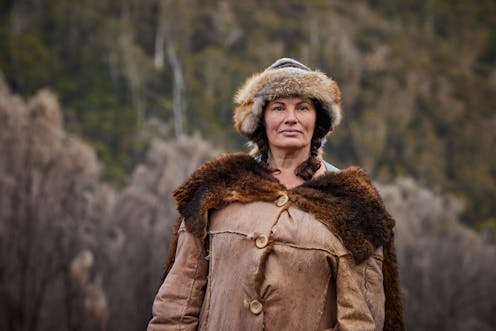
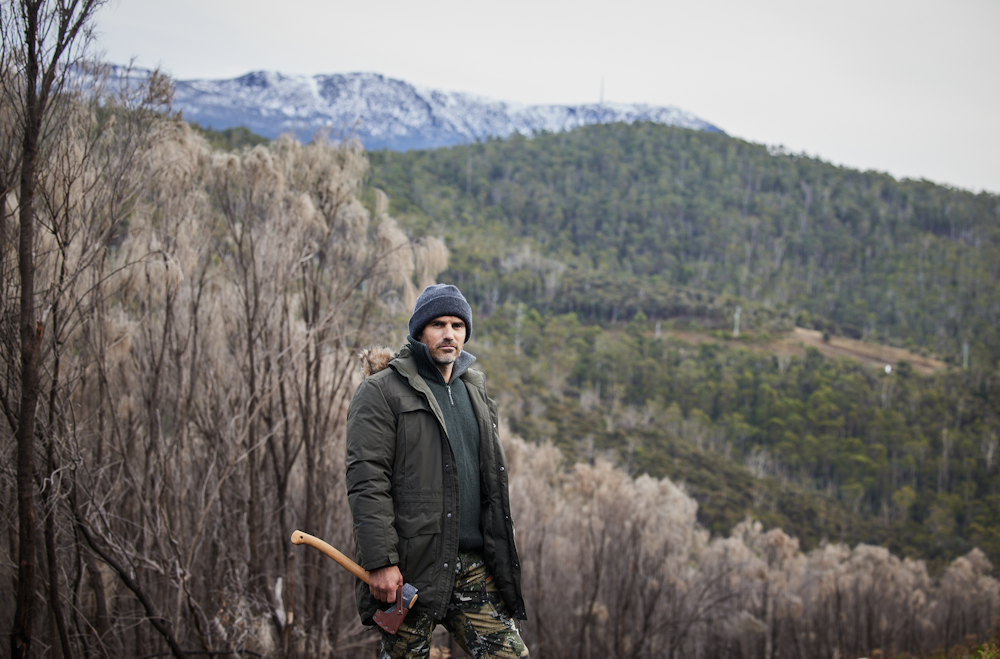
Alone Australia on SBS TV involves ten contestants who are dropped into the wilds of a Tasmanian winter. Each has ten chosen items (from an approved list) and kilos of recording equipment.
Aside from medical check-ins, they have no social contact. Over the coming days and weeks, they film themselves building a shelter, making fire, and finding food and water. Some thrive, some clearly struggle.
Contestants can choose to “tap out” or can be removed for medical reasons. The contestant who lasts the longest wins A$250,000.
Contestants were selected on the basis of having survival skills and a personality likely to be engaging on camera.
But success on the show will likely also stem from a range of psychological capacities – and perhaps a bit of good luck.
Read more: Woman spends 500 days alone in a cave – how extreme isolation can alter your sense of time[3]
Mental toughness is key
Contestants face a gruelling environment. They are repeatedly challenged by the terrain and weather, as well as by hunger and setbacks.
Here, “mental toughness[4]”, which is related to the popular idea of “grit[5]”, plays a role.
Mental toughness is a group of personality characteristics originally identified in elite and successful athletes. It relates to coping with the pressures of competition, as well as setting and following through on training and performance goals.
Athletes higher in mental toughness tend to perform better[6]. Mentally tough military recruits are more likely to be selected[7] to join special forces.
Can mental toughness be cultivated in the moment? It appears so. Thinking back[8] to past failures tends to spur people to stick to current tough goals. Future thinking also plays a role. Imagining a future[9] in which you are confident and in control builds self-reported toughness.
We know mentally tough people use a few “performance strategies[10]”. These include talking positively to themselves (either out loud or in their mind), controlling their emotions, and intentionally staying relaxed. People can practise and draw on these strategies in the face of adversity. Mentally tough people also avoid negative thinking such as leaning into thoughts of failure or engaging in self-blame.
But mental toughness has limits. When fatigued[11], mental toughness no longer predicts perseverance towards a difficult physical goal. Instead, underlying fitness levels appear to be critical.
Read more: Grit or quit? How to help your child develop resilience[12]
Combating loneliness is crucial
The main premise of the show – and its namesake – is total social isolation.
Research highlights the difference[13] between social isolation (lack of opportunity for social interaction) and loneliness (the distressing feeling that one’s social needs aren’t being met). A person can be socially isolated but not feel lonely or feel lonely even in the presence of others.
Not everyone has the same needs for social interaction. Indeed, some people place high value on solitude and generally need less interaction to avoid loneliness[14].
But there’s a caveat. “Social anhedonia[15]” (markedly low interest in and reward from interpersonal connection) is associated with poor functioning.
Even people who don’t prefer solitude can get creative about fulfilling social needs when people aren’t around.
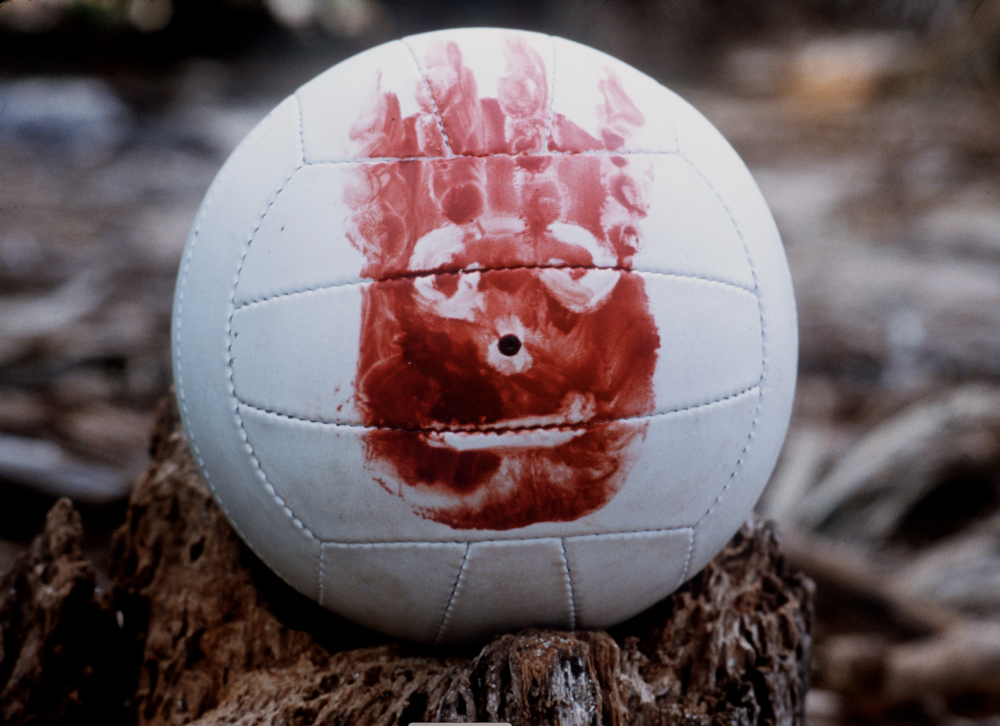 Wilson the volleyball in the movie Cast Away kept the lead character company for years.
20th Century Fox Dreamworks/AP/AAP Photo
Wilson the volleyball in the movie Cast Away kept the lead character company for years.
20th Century Fox Dreamworks/AP/AAP Photo
Humans tend to anthropomorphise[16] (or perceive as human) non-human objects and animals when feeling lonely.
You might remember Wilson the volleyball[17] from the movie Cast Away. Wilson kept the lead character company during his years being stranded on an island.
People can also remember past, or anticipate future, social interactions. This “social daydreaming[18]” may help people cope when their friends and family are not around.
Read more: The politics of the castaway story[19]
How about awe and pride?
Emotional experiences also likely have a role in pushing some contestants to endure longer. Others have written about the role of fear[20] on the show (in a nutshell, fear has its place and isn’t to be avoided).
But research also points to the potential benefits of positive emotions in this situation, such as awe and pride.
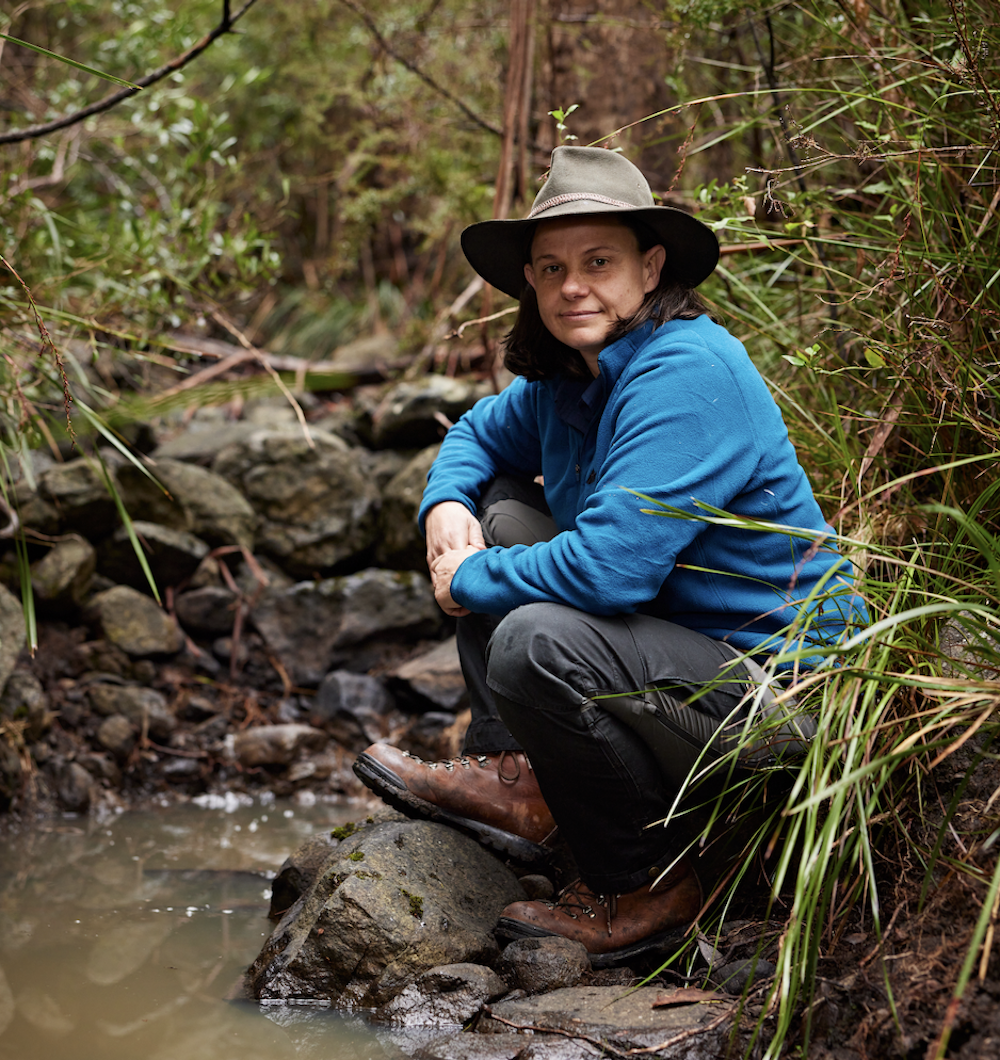 Will it be Kate?
SBS TV
Will it be Kate?
SBS TV
Natural environments are in no short supply for contestants on the show. In fact, nature is nearly all they see. And nature is a prime trigger of awe[21] – the positive emotional experience when witnessing extraordinary things that are vast and complex.
Awe is linked to a variety of beneficial outcomes[22], including higher self-reported wellbeing, physical health, critical thinking and humility.
Most of us are familiar with pride – the emotional experience associated with achievement. Pride isn’t just felt upon attaining a goal, but also when making progress[23] along the way.
Despite pride’s bad rap (for instance, as a deadly sin), my own research links the experience of pride to pursuing goals[24]. People work harder at a goal when they’re feeling proud of earlier accomplishments.
One key to unlocking the benefits of positive emotions such as pride and awe is to mindfully find the opportunities to experience them. Specifically, savouring the moment[25] is a documented strategy for intentionally increasing the experience of positive emotions such as awe and pride.
Read more: Personalities that thrive in isolation and what we can all learn from time alone[26]
Are you a future Alone Australia winner?
If you’re thinking of applying for future seasons of Alone Australia, you might be wondering if you have what it takes.
Given time, you can build both your survival and psychological skills.
You can develop mental toughness, your capacity to combat loneliness while socially isolated, and your ability to savour positive emotions such as awe and pride.
Read more: What is hedonism and how does it affect your health?[27]
References
- ^ Alone Australia (www.sbs.com.au)
- ^ What Alone Australia tells us about fear, and why we need it (theconversation.com)
- ^ Woman spends 500 days alone in a cave – how extreme isolation can alter your sense of time (theconversation.com)
- ^ mental toughness (www.tandfonline.com)
- ^ grit (www.frontiersin.org)
- ^ perform better (www.sciencedirect.com)
- ^ selected (www.researchgate.net)
- ^ Thinking back (www.tandfonline.com)
- ^ Imagining a future (www.tandfonline.com)
- ^ performance strategies (www.tandfonline.com)
- ^ fatigued (www.sciencedirect.com)
- ^ Grit or quit? How to help your child develop resilience (theconversation.com)
- ^ difference (www.aihw.gov.au)
- ^ avoid loneliness (www.frontiersin.org)
- ^ Social anhedonia (onlinelibrary.wiley.com)
- ^ anthropomorphise (guilfordjournals.com)
- ^ Wilson the volleyball (www.wilson.com)
- ^ social daydreaming (www.frontiersin.org)
- ^ The politics of the castaway story (theconversation.com)
- ^ role of fear (theconversation.com)
- ^ awe (www.templeton.org)
- ^ beneficial outcomes (greatergood.berkeley.edu)
- ^ progress (www.sciencedirect.com)
- ^ pursuing goals (pubmed.ncbi.nlm.nih.gov)
- ^ savouring the moment (internationaljournalofwellbeing.org)
- ^ Personalities that thrive in isolation and what we can all learn from time alone (theconversation.com)
- ^ What is hedonism and how does it affect your health? (theconversation.com)