How Elon Musk allowed X to become a stalwart platform for Trump supporters
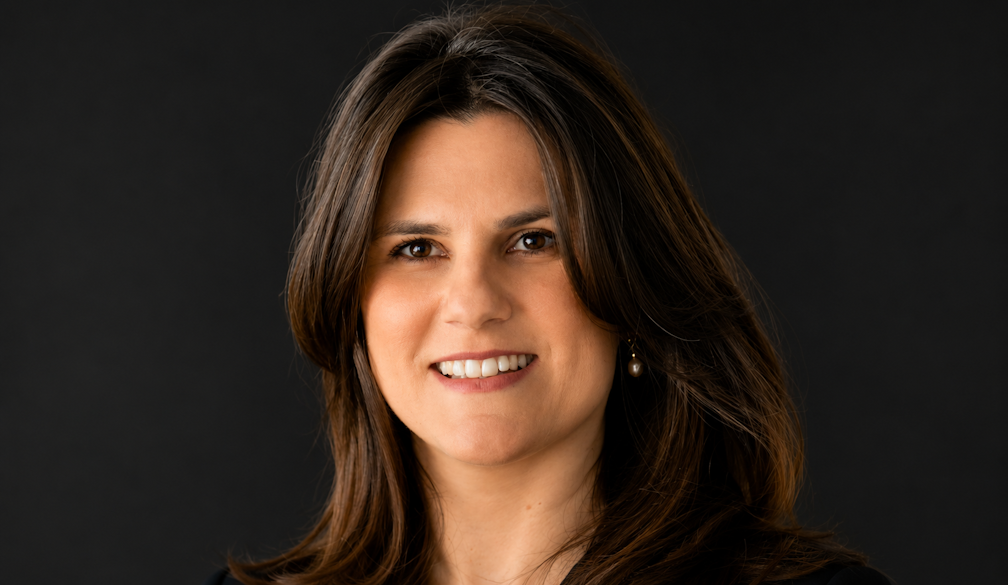
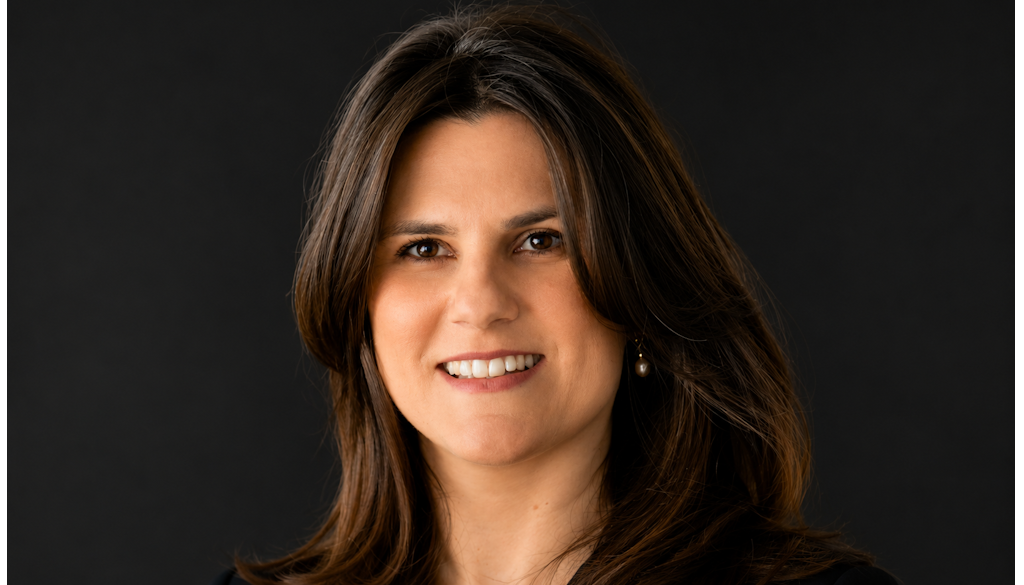
- Written by: Katherine M. FitzGerald, PhD Candidate, Queensland University of Technology
On July 13, less than an hour after the attempted assassination on US presidential candidate Donald Trump, Elon Musk posted the following to his more than 190 million followers on X (formerly Twitter):
A few days later it was reported Musk planned on committing[1] US$45 million per month to a pro-Trump super political action committee (PAC). Musk denied this and said he had established a new “America PAC”, with a focus was on “meritocracy and individual freedom”.
It’s expected Trump will benefit from donations by Musk, who has said[2] “Republicans are mostly, but not entirely, on the side of merit and freedom”.
Musk has previously described himself as a “free speech absolutist” and political moderate. His political views often haven’t aligned neatly with the left-right binary. In the context of US presidential elections, however, he supported[3] the Democratic candidate in every election between 2008 and 2020.
Now he is being viewed as a potential meal ticket for conservatives – particularly after his endorsement of Trump. So what changed?
The death of Twitter – and birth of X
Ever since Musk acquired Twitter in October 2022[4] and rebranded it as X, the platform has been criticised for allowing hate speech[5] and bots[6] to proliferate. Research suggests both accusations are true.
According to a 2023 report from The Centre for Countering Digital Hate, Musk’s ownership corresponded with a 119% rise[7] in tweets relating to a conspiracy that claims LGBTQ+ people are grooming children. The report sparked Musk’s ire and legal backlash[8].
This week, Musk is in the news for using transphobic rhetoric in reference to his own daughter, Vivian Wilson, whom he has described as[9] being “dead — killed by the woke mind virus”. This isn’t the first time Musk has been involved in anti-trans rhetoric[10].
Last year, a colleague and I conducted our own analysis of X posts[11] that revealed the strong presence of predominantly right-wing bot accounts.
Over the course of the first Republican primary debate (and simultaneously streamed interview between Trump and right-wing media figure Tucker Carlson) in August, we found a coordinated network of more than 1,200 accounts promoting the conspiracy theory that Trump was the rightful winner of the 2020 US presidential election. This content received more than three million impressions.
We also found a sprawling network of 1,305 unique bot accounts (many of which were pro-Trump).
Beyond this, Musk’s rule over X has prompted[12] hundreds of thousands of users (including journalists and academics) to delete or abandon their accounts[13]. But while left-leaning public figures lost followers, reinstated right-wing personalities including Marjorie Taylor Greene, Jordan Peterson, Andrew Tate and Trump himself have rapidly gained them[14].
Last year, NPR News was falsely labelled as “state-affiliated media”[15] – a label that until then had been reserved for propaganda outlets from autocratic regimes. X later revised the label to call it “government-funded media”, despite NPR stating[16] less than 1% of its budget is from the government.
What does this mean for Trump supporters?
X was once touted as[17] being a “global town square” where journalists, politicians and interested citizens could congregate for public debate. But given the number of journalists, academics and left-leaning users who have left, it seems unlikely it will ever return to this.
In the absence of diverse perspectives and robust moderation practices, it’s no surprise it has become a space for Trump supporters to mobilise.
Just this week, Musk seemingly violated his platform’s policies by sharing[18] a deepfake video of presumptive Democratic presidential nominee and Vice President Kamala Harris without noting that it was satirical. The video, which includes voice manipulation, purports to show Harris making negative comments about President Joe Biden, Democrats and her own qualifications to be president.
Musk also called Harris an “extinctionist” in relation to a video in which she discusses young people’s climate anxieties.
Offline, Musk has reportedly been involved in meetings with a group of conservative billionaires[19] aiming to ensure Trump wins the election.
As to why he has changed his political tune from being a consistent Democratic voter, we can only speculate. Before his acquisition of Twitter, Musk claimed his problems with the platform stemmed from the “far left[20]” management’s censorship of content.
Reporters have also noted Musk’s actions often seem motivated by personal grievances and business motives. For example, after the Biden administration didn’t invite Tesla[21] to a White House event for electric vehicle manufacturers, Musk took to Twitter to post criticisms of the US president.
As the world’s richest man – with key positions in companies including Space X, Tesla, Neuralink and The Boring Company – Musk’s business bottom line has long been subject to[22] policies and regulatory action from both sides of government.
What’s next?
Musk isn’t the first billionaire to air his personal political grievances online. Nor is he the first to throw money at whatever candidate’s policies suit him most. But he is arguably the first to do so while having control over a social media mouthpiece the likes of X.
Returning to the upcoming US presidential elections, it is particularly concerning that Musk is seemingly allowing both incendiary speech and bots on his platform – especially in light of the Russian interference[23] in the 2016 elections. And our own research from last year shows X’s bot problem is far from solved.
In the lead-up to the November election, it will be important for researchers to keep track of automated activity and accounts on X. Unfortunately, they won’t be able to do this as they have in the past. Much of the valuable research that was once conducted through free access to Twitter’s API[24] stopped last year when Musk made this access prohibitively expensive[25].
References
- ^ planned on committing (www.wsj.com)
- ^ has said (www.theguardian.com)
- ^ he supported (www.firstpost.com)
- ^ October 2022 (www.nytimes.com)
- ^ hate speech (www.nytimes.com)
- ^ bots (www.abc.net.au)
- ^ corresponded with a 119% rise (counterhate.com)
- ^ legal backlash (www.cnbc.com)
- ^ described as (www.washingtonpost.com)
- ^ involved in anti-trans rhetoric (www.nbcnews.com)
- ^ analysis of X posts (eprints.qut.edu.au)
- ^ prompted (www.technologyreview.com)
- ^ to delete or abandon their accounts (www.theguardian.com)
- ^ gained them (www.nytimes.com)
- ^ as “state-affiliated media” (www.npr.org)
- ^ NPR stating (www.npr.org)
- ^ touted as (www.brookings.edu)
- ^ by sharing (x.com)
- ^ conservative billionaires (www.nytimes.com)
- ^ far left (www.nytimes.com)
- ^ didn’t invite Tesla (archive.is)
- ^ long been subject to (www.wsj.com)
- ^ Russian interference (firstmonday.org)
- ^ free access to Twitter’s API (www.theverge.com)
- ^ expensive (developer.x.com)