Airlines cancel flights after volcanic eruptions. An aviation expert explains why that’s a good thing
- Written by: Patrick Murray, Emeritus Professor of Aviation, University of Southern Queensland
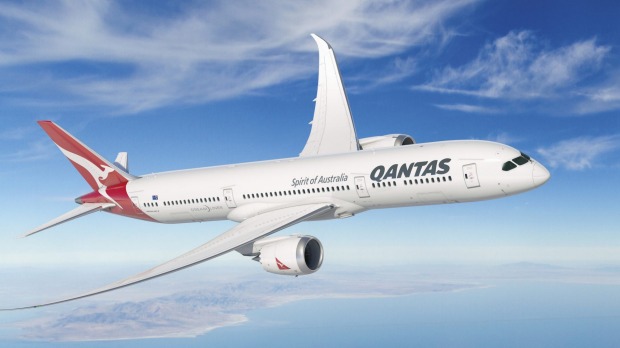
At least three airlines cancelled flights between Australia and Bali[1] this week after a volcano eruption in eastern Indonesia spewed a vast plume of volcanic ash into the air.
But while would-be holiday makers are naturally upset[2] at having their plans disrupted, it’s worth remembering it’s not safe to fly planes through volcanic ash.
So, how do airlines decide it’s not safe to fly when a volcano erupts? And why is volcanic ash so dangerous for aircraft, anyway?
What does volcanic ash do to a plane?
Volcanic ash particles are very, very abrasive. They can cause permanent damage to windscreens in the aircraft and can even make windscreens look opaque – like someone has gone over them with sandpaper.
Imagine getting spectacles and scraping them over and over with sandpaper – that’s what you’d see if you were sitting in the cockpit.
Volcanic ash can also clog or damage external sensors, leading to erroneous readings, and can infiltrate an aircraft’s ventilation system. This can affect cabin air quality and lead to potential respiratory issues.
But the main issue, in fact, is the impact volcanic ash has on engines.
A jet engine works by drawing in air, compressing it, mixing it with fuel and igniting it. This creates high-pressure exhaust gases that are expelled backward, which pushes the engine (and the aircraft) forward.
The correct balance of fuel and airflow is crucial. When you disrupt airflow, it can cause the engine to stall.
Ash particles that get inside the engines will melt and build up, causing disruption of the airflow. This could cause the engine to “flame out” or stall.
Volcanic ash has a lot of silica in it, so when it melts it turns into something similar to glass. It won’t melt unless exposed to very high temperatures – but inside a jet engine, you do get very high temperatures.
There was a famous incident in 1982 where a British Airways Boeing 747 plane[3] was flying in the vicinity of Indonesia and lost all four engines after it encountered volcanic ash spewing from Java’s Mount Galunggung.
Fortunately, the pilot was able to restart the engines and land safely[4], although the pilots were unable to see through the front windscreens.
How do airlines decide it’s not safe to fly when a volcano erupts?
The decision is made by each airline’s operational staff. Each airline’s operational team would be looking at the situation in real time today and making the decision based on their risk assessment.
Every airline has a process of risk management, which is required by Australia’s Civil Aviation Safety Authority.
Different airlines may tackle risk management in slightly different ways; you might have some cancelling flights earlier than others. But, in broad terms, the more sophisticated airlines would come to similar conclusions and they are likely all communicating with each other.
Mostly, they make the call based on the extent of the plume – how big the cloud of ash is and where it’s going, bearing in mind that winds vary with altitude. As you get stronger winds with altitude, the ash can drift quite far from the source.

There is also a United Nations agency called the International Civil Aviation Organization[6], which issues guidance on volcanic ash hazards. Various meteorological agencies around the world work together and liaise with aviation authorities to spread the word quickly if there is an eruption.
For airlines to resume flights, the ash needs to clear and there needs to be a low probability of further eruptions.
Passenger safety is the priority
The underpinning reason behind these flight cancellations is safety. If you lose engines and you can’t see out the window, the risk to passenger safety is obvious.
Naturally, people are upset about their holiday plans being held up. But it’s actually in passengers’ best interests to not fly through volcanic ash.
References
- ^ cancelled flights between Australia and Bali (www.abc.net.au)
- ^ upset (7news.com.au)
- ^ British Airways Boeing 747 plane (theaviationgeekclub.com)
- ^ restart the engines and land safely (simpleflying.com)
- ^ AP Photo/AAP (photos.aap.com.au)
- ^ International Civil Aviation Organization (www.icao.int)