How ‘build-to-rent-to-own’ could help more renters get a toehold in the housing market
- Written by: Caitlin McGee, Research Director, Institute for Sustainable Futures, University of Technology Sydney
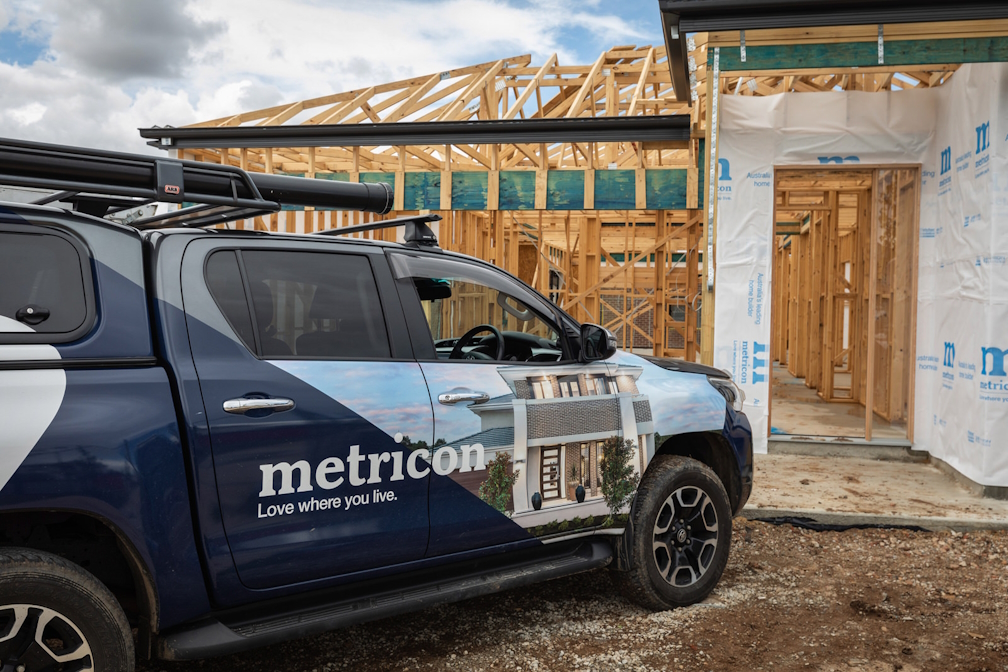
With record low housing affordability[1] and more Australians destined for lifelong renting[2], governments are encouraging more “build-to-rent” housing across Australia.
Build-to-rent[3] housing is designed for long-term rental and owned by institutional investors, such as superannuation and pension funds. It’s well-established internationally, already making up 12% of housing in the United States[4] and 5% in the United Kingdom[5]. But it’s relatively new in Australia.
Here, a small but growing commercial build-to-rent sector[6] mostly targets homes for urban professionals, while community housing providers aim to deliver more affordable long-term rental housing. In New South Wales, state-owned developer Landcom is developing[7] build-to-rent housing for essential workers and regional communities.
Last year, the Australian government introduced new legislation and tax breaks[8] to encourage more investment in build-to-rent homes. While still only a small part of the housing market today, there are a growing number of built-to-rent projects.
Our new research, released today[9], recommends taking advantage of that growth to help renters get a toehold in the housing market – with a model called “build-to-rent-to-own”.
What is build-to-rent-to-own? Has it been done before?
Our proposed build-to-rent-to-own model means residents could build an ownership stake in their build-to-rent development without a deposit or bank loan, potentially for as little as A$10 per week.
Residents wouldn’t own a property title. Instead, they would own shares in the build-to-rent corporate entity. Only residents of a development could purchase shares in it, including residents living in affordable housing tenancies.
Residents participating in a build-to-rent-to-own scheme would receive a dividend. This could be used to offset their rent or buy more shares, with the option to accumulate shares up to the full value of their own home.
Shares would be valued quarterly and could be “cashed out” (sold back to the corporate entity), or passed on as inheritance to family members wanting to live in the development.
This model has similarities to “limited equity” housing cooperatives[10], which thrive in Northern Europe[11]. This model is not to be confused with rent-to-buy[12] models, which allow renters to buy their unit at a set price through a conventional mortgage when the lease expires.
Build-to-rent-to-own wouldn’t deliver a quick fix for our housing affordability crisis, but could have a real impact in the longer term.
As of 2022, existing build-to-rent developments only made up about 0.2% of the housing market[13] or around 23,000 apartments.
But the sector is growing fast, with around 39,300 apartments[14] worth around A$30 billion now in the pipeline across Australia.

Who could benefit most?
More Australians are finding themselves locked out of the housing market. What if they could build an ownership stake from day one of moving into a build-to-rent development?
Our research identified several types of buyers most likely to benefit from build-to-rent-to-own, including:
Build-to-rent-to-own could particularly help regional communities, facing extra challenges to access home loans and limited downsizing options[16].
It’s not only residents who could benefit, but the investors and developers delivering build-to-rent. Lifelong tenants are the “holy grail”: reducing turnover costs and increasing long-term risk-adjusted returns.
How to make it happen
To develop this build-to-rent-to-own blueprint, we consulted with investors, housing providers, developers, policymakers and local councils.
We don’t see a need for legal changes, as the model is designed to work within the federal build-to-rent legislation[17] and financial market guidelines[18].
But more work is still needed to turn our concept into reality, including:
- common national guidelines for a build-to-rent-to-own scheme
- pilots in cities and regions, to test how it could best work for wider rollouts
- and a working group to provide the governance foundations to develop build-to-rent-to-own across Australia and oversee the recommendations above.
Turning build-to-rent-to-own into a reality will require a collaborative effort between governments, investors, community housing providers, developers and community groups. Based on our consultation, we think it could provide a new way to help more Australians finally get a toehold in a tight housing market.
The authors acknowledge the contribution of our colleagues Matthew Daly[19] and Joshua Gilbert[20] to this research.
References
- ^ record low housing affordability (theconversation.com)
- ^ lifelong renting (www.ahuri.edu.au)
- ^ Build-to-rent (www.ahuri.edu.au)
- ^ 12% of housing in the United States (www.propertycouncil.com.au)
- ^ 5% in the United Kingdom (www.propertycouncil.com.au)
- ^ build-to-rent sector (www.youtube.com)
- ^ developing (www.landcom.com.au)
- ^ new legislation and tax breaks (ministers.treasury.gov.au)
- ^ released today (appi.org.au)
- ^ “limited equity” housing cooperatives (www.researchgate.net)
- ^ thrive in Northern Europe (australiainstitute.org.au)
- ^ rent-to-buy (www.realestate.com.au)
- ^ 0.2% of the housing market (www.propertycouncil.com.au)
- ^ 39,300 apartments (bdoaustralia.bdo.com.au)
- ^ AAP Image/Dean Lewins (photos.aap.com.au)
- ^ limited downsizing options (www.abc.net.au)
- ^ build-to-rent legislation (ministers.treasury.gov.au)
- ^ financial market guidelines (www.asic.gov.au)
- ^ Matthew Daly (theconversation.com)
- ^ Joshua Gilbert (theconversation.com)