Everything You Need To Know About Scrap Metal
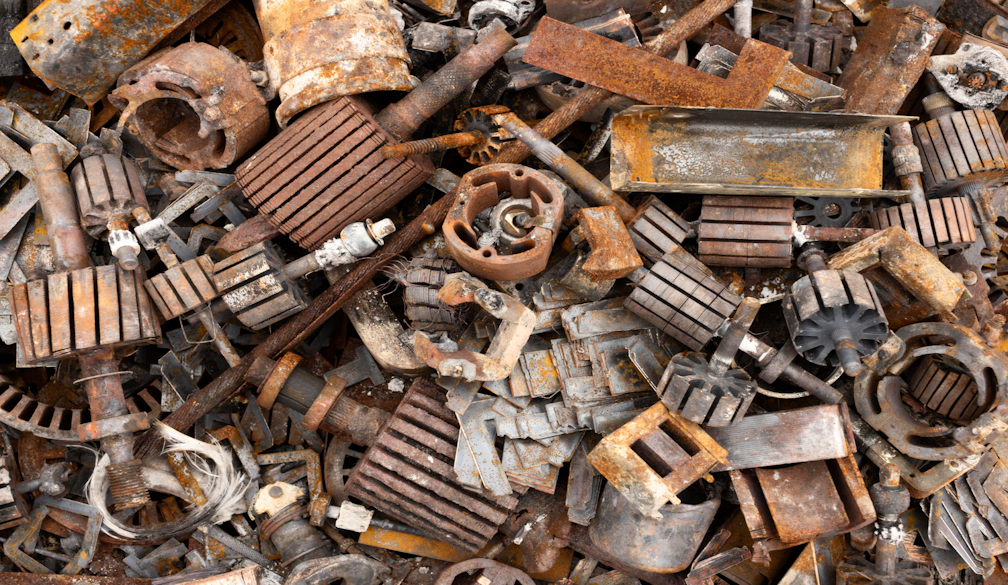
Scrap metal is an essential component of the recycling industry, contributing significantly to sustainability efforts and resource conservation. From household items to industrial machinery, scrap metal is found in various forms and serves as a valuable resource for manufacturers worldwide. In this guide, we'll explore everything you need to know about scrap metal, including its types, benefits, recycling process, and the role of scrap in Melbourne recycling industry.
Types of Scrap Metal
Scrap metal can be categorised into ferrous and non-ferrous metals, each with distinct properties and applications.
- Ferrous Metals:These metals contain iron and are magnetic in nature. Common ferrous metals include steel, iron, and stainless steel. They are widely used in construction, automotive, and manufacturing industries.
- Non-Ferrous Metals:Non-ferrous metals do not contain iron and are typically more resistant to corrosion. Examples include aluminum, copper, brass, and lead. These metals are valuable for their conductivity, malleability, and lightweight properties.
Benefits of Recycling Scrap Metal
Recycling scrap metal offers numerous environmental, economic, and social benefits:
- Resource Conservation:Recycling scrap metal reduces the need for virgin ore extraction, conserving natural resources and minimising environmental degradation associated with mining.
- Energy Savings:Processing recycled metal requires less energy compared to producing new metal from raw materials. This results in lower greenhouse gas emissions and reduces the carbon footprint of metal production.
- Economic Opportunities:The scrap metal recycling industry creates jobs in collection, processing, and manufacturing sectors, contributing to local economies and fostering sustainable growth.
- Waste Reduction:Recycling scrap metal diverts materials from landfills, prolonging the lifespan of disposal sites and mitigating the negative impacts of waste accumulation on the environment.
Scrap Metal Recycling Process
The recycling process involves several stages, from collection to processing and reuse:
- Collection:Scrap metal is collected from various sources, including households, businesses, demolition sites, and manufacturing facilities. Specialised scrap yards or recycling centers serve as collection points.
- Sorting:Upon collection, scrap metal is sorted based on its type and composition. Magnets and sensors are often used to separate ferrous and non-ferrous metals, while manual sorting ensures accuracy.
- Processing:Processors shred, crush, or melt the sorted metal to prepare it for recycling. Ferrous metals are typically melted in furnaces, while non-ferrous metals may undergo melting, purification, or alloying processes.
- Manufacturing:Recycled metal is transformed into new products or components through manufacturing processes. These products may range from construction materials and automotive parts to consumer goods and packaging materials.
Scrap Metal Recycling in Melbourne
Melbourne, Australia, is home to a thriving scrap metal recycling industry, supported by robust infrastructure and environmental regulations. The city's recycling facilities process diverse types of scrap metal, contributing to the circular economy and sustainability goals.
- Collection Networks:Scrap metal collection in Melbourne is facilitated through municipal recycling programs, private collection services, and community drop-off centers. Residents and businesses are encouraged to segregate and recycle metal waste responsibly.
- Processing Facilities:Melbourne boasts state-of-the-art recycling facilities equipped with advanced technologies for sorting, processing, and refining scrap metal. These facilities adhere to stringent environmental standards and prioritise resource efficiency.
- Market Opportunities:The demand for recycled metal in Melbourne remains high, driven by the construction, manufacturing, and automotive sectors. Local recyclers collaborate with domestic and international markets to supply high-quality recycled metal products.
- Environmental Initiatives:Melbourne's government and industry stakeholders are committed to promoting sustainable waste management practices and reducing landfill dependency. Initiatives such as public awareness campaigns, incentive programs, and research initiatives support the city's transition towards a circular economy.
Conclusion
Scrap metal recycling plays a pivotal role in sustainable resource management, offering environmental, economic, and social benefits, with the help of an industrial scrap buyer Perth. In Melbourne and beyond, the recycling industry continues to evolve, driven by innovation and collaboration among stakeholders. By understanding the significance of scrap metal recycling and supporting recycling initiatives, individuals and communities can contribute to a greener, more sustainable future.