Why is Australia helping to block a move to tax multinational corporations properly?
- Written by: Kerrie Sadiq, Professor of Taxation, QUT Business School, and ARC Future Fellow, Queensland University of Technology
Australia talks a big game on global tax avoidance.
It has prepared draft legislation it says will make sure all companies with global revenue of at least A$1.2 billion, whether headquartered here or overseas, pay at least 15%[1] on the profits they make in Australia.
It’s part of a united effort by about 140 countries co-ordinated by the Organisation for Economic Co-operation and Development (OECD) and the so-called G20 group of rich industrial countries.
Treasurer Jim Chalmers says it will make big multinationals pay their fair share[2].
But in other, broader forums Australia is showing itself to be less keen to make multinationals pay up.
The resolution Australia voted to block
What happened at the United Nations General Assembly in November is hard to square with Australia wanting big companies to pay their share.
In November, the assembly overwhelmingly approved a resolution that called on all countries to work together to ensure multinationals pay tax in the locations in which they make their money. It established a committee to draft the terms of reference for a UN convention on international tax co-operation[3].
A total of 125 nations voted in favour of the resolution. Only 48 voted against it, one of which was Australia[4], along with Canada and New Zealand.
It was left to a representative of New Zealand to explain on behalf of Canada and Australia why the group of three was unable to support the resolution.
She said the resolution “focused on developing a binding legal arrangement without first assessing existing gaps in the current system” and called on the UN to work more closely[5] with the OECD.
Part of the rich nations’ club?
What Australia and most of the other nations that opposed the resolution had in common was that they were rich industrial countries whose multinational corporations invested offshore. Most were OECD members.
What most of the 125 nations that put forward the resolution had in common was that they were poorer and played host to multinational corporations.
The signalling was stark: the richer countries preferred the international tax system we have – the one that grants taxing rights to the countries that multinational countries call home rather than the countries in which those multinational corporations derive their profits.
Read more: Why taxing big companies at 15% won't fix the gaping hole in global tax[6]
The genesis of the UN resolution dates back more than a century when the UN’s predecessor, the League of Nations, first looked at the question of where taxes should be levied.
Recognising the hydra-headed nature of multinational corporations, the league’s experts suggested the fairest thing would be to measure the total profits of each enterprise and then divide up the taxing rights according to where the profits were generated.
What would come into play would be where they sold their products, where they employed their workers and where they obtained their resources.
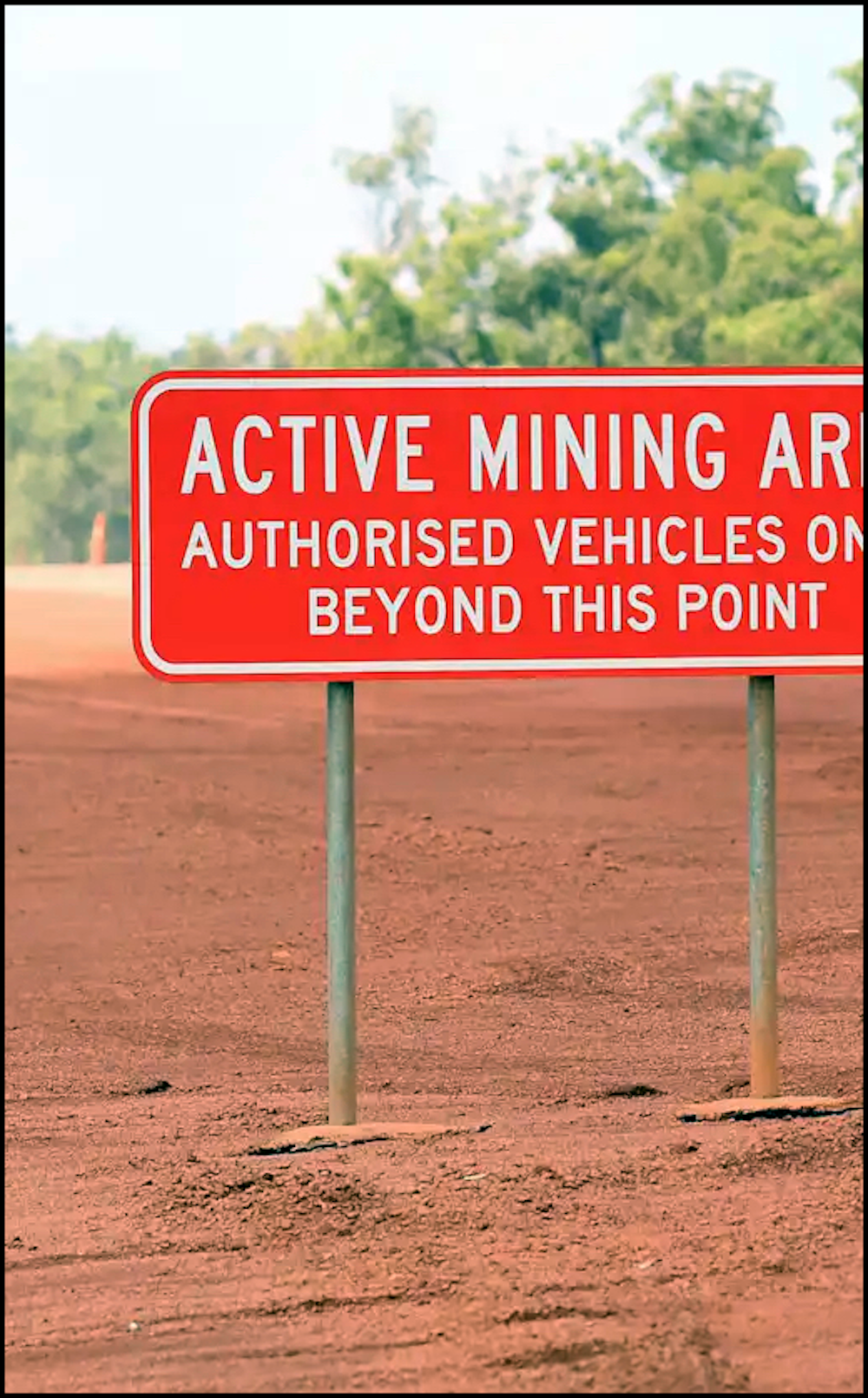
Rich capital-exporting nations objected. They wanted more taxing rights for themselves and fewer for the nations in which their corporations operated.
Following the second world war, the United Nations replaced the League of Nations and tax discussion was sidelined.
In 1963, the newly formed OECD, which at the time represented mainly rich nations[7] and did not include Australia, drew up a “model” treaty that allocated more taxing rights to the countries in which corporations were headquartered than those in which they operated.
The battle lines were drawn between the OECD, representing mainly the richest countries (now including Australia), and the United Nations, dominated numerically by poorer countries.
Australia conflicted
Australia has a foot in both camps. It both plays host to foreign multinationals that mine its minerals and sell to its citizens, and headquarters Australian corporations that do the same thing overseas.
Initiatives such as the 15% global minimum tax will go some way towards ensuring multinationals can no longer avoid paying tax altogether in the countries in which they operate, but won’t grant those countries primary taxing rights[8].
The November resolution introduced by Nigeria was a genuine attempt to give nations that host multinationals (most of them poor) guaranteed taxing power.
When asked to vote, Australia threw its lot in with the rich.
References
- ^ 15% (treasury.gov.au)
- ^ pay their fair share (ministers.treasury.gov.au)
- ^ international tax co-operation (cdn.theconversation.com)
- ^ Australia (press.un.org)
- ^ work more closely (press.un.org)
- ^ Why taxing big companies at 15% won't fix the gaping hole in global tax (theconversation.com)
- ^ rich nations (www.oecd.org)
- ^ primary taxing rights (theconversation.com)
Authors: Kerrie Sadiq, Professor of Taxation, QUT Business School, and ARC Future Fellow, Queensland University of Technology