CHIVA-SOM LAUNCHES COMPLIMENTARY ONLINE WELLNESS SERVICES
- Written by: Rhea D'souza
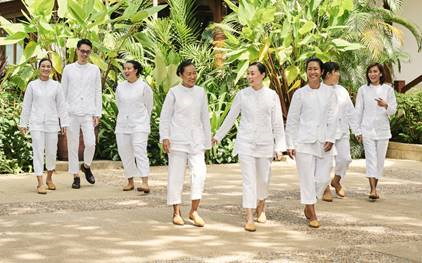
A pioneer in transformative wellness practices, Chiva-Som in Hua Hin, Thailand, has announced the launch of Chiva-Som Online Wellness Services, to provide support and encourage individuals to maintain wellness goals during this unprecedented time. The Chiva-Som Online Wellness Services will be provided by wellness advisors, practitioners and experts. The services include some of Chiva-Som’s most popular services including consultations, activities and physical training, all of which will be conducted one-on-one.
Chiva-Som has delivered its proven holistic wellness therapies to guests worldwide for over 25 years. In these challenging times, maintaining physical and mental wellbeing is much needed. The new tele-therapy service at Chiva-Som will connect individuals with the resort’s team to provide bespoke professional support during this time of heightened anxiety and social isolation. Participants will be able to speak directly to the experienced wellness team live from home via video communication and receive personalised feedback regarding lifestyle and nutrition.
Chiva-Som is also sharing a collection of on-demand, inspirational wellness content and hands-on tools across the resort’s digital channels to help everyone adapting to a new way of life within the limits of home. From healthy cuisine recipes and holistic wellbeing advice, to virtual exercise programmes and self-training tutorials, all curated by the resort’s world-class team of trainers and education facilitators, to keep the body and mind active and healthy whilst the resort is closed. Example features include tips on boosting the immune system and how to promote restful sleep; Pilates, yoga and meditation sessions; pranayama classes; and tutorials to teach to self-massage at home. These are available on Chiva-Som’s blog www.chivasom.com/about-blog, Facebook chivasomresort, Instagram @chivasomresort and YouTube Chiva-Som International Health Resort channels.
“Now is a time for support, collaboration and encouragement. We are committed to our guests and community, in which we are striving to distribute our wellness resources to support people’s wellbeing without boundaries. We shall pass this together.” said Krip Rojanastien, Chairman and CEO of Chiva-Som.
The Complimentary Online Wellness Services are available daily from now to 31st May 2020. Please note that a reservation is required and should be booked at least 24 hours in advance. Individuals will receive a live health and wellness consultation, and a separate one-on-one consultation with a Naturopath, or a physiotherapy or exercise session with a practitioner. The selection of consultation, treatment and exercise session will be based on the advisor’s expert guidance.
For more information or to reserve a session, please email h-wreception@chivasom.com or
visit our website www.chivasom.com/online-wellness-services or call telephone at +66 32 536 536.
Please visit Chiva-Som’s blog, Facebook, Instagram and YouTube channel for daily inspiration.
CONSUMER: For any reservations, please contact travel@traveltheworld.com.au or Tel: 1300 857 437