Food Hygiene at Home: Simple Habits That Can Prevent a Very Bad Day
- Written by: The Times
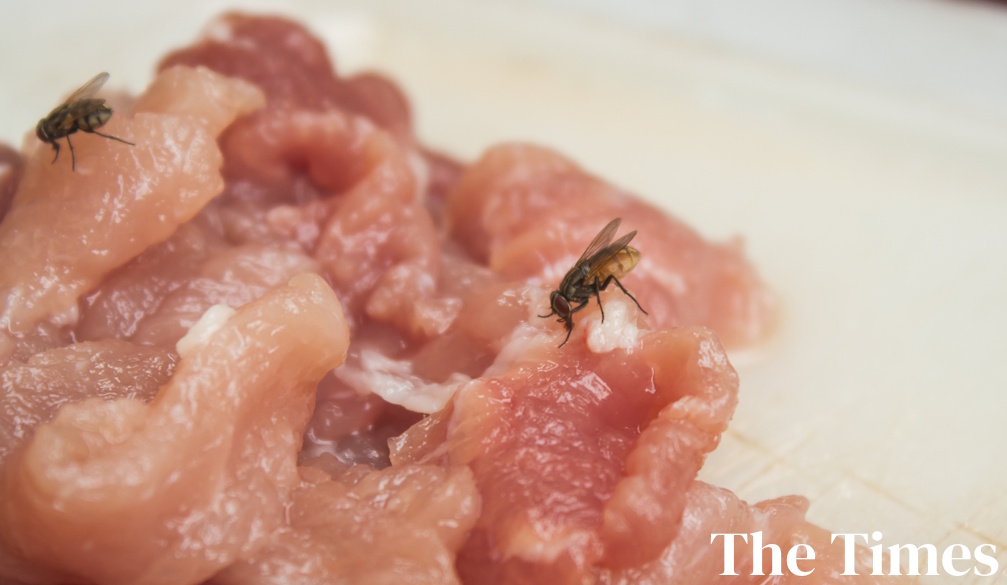
Preparing meals at home is one of life's pleasures, but even the cleanest kitchens can become a source of food poisoning if basic hygiene is overlooked. Fortunately, preventing most food-borne illnesses does not require expensive equipment or specialist knowledge. It comes down to a handful of sensible habits followed every day.
Clean Hands Come First
Your hands are one of the most common ways harmful bacteria are transferred to food.
Always wash your hands thoroughly with soap and warm water:
- Before preparing food.
- After handling raw meat, poultry or seafood.
- After using the bathroom.
- After touching pets.
- After coughing, sneezing or blowing your nose.
- After handling rubbish.
A quick rinse under cold water is not enough. Wash for at least 20 seconds, ensuring you clean between fingers and under fingernails.
The Chopping Board Matters
A chopping board may look clean while still carrying bacteria from the previous meal.
Many food safety experts recommend having separate chopping boards for:
- Raw meat and poultry.
- Seafood.
- Fruit and vegetables.
- Bread and cooked foods.
Colour-coded boards make this easy to remember.
If you only have one chopping board, wash it thoroughly with hot, soapy water after each use and allow it to dry completely before preparing another food.
Boards with deep knife grooves should be replaced, as bacteria can hide inside cuts that are difficult to clean.
Avoid Cross-Contamination
One of the biggest causes of food poisoning is transferring bacteria from raw foods to foods that are ready to eat.
Common mistakes include:
- Using the same knife for raw chicken and salad without washing it.
- Placing cooked meat back onto the same plate that held it while raw.
- Allowing raw meat juices to drip onto fruit or vegetables in the refrigerator.
Keeping raw and cooked foods separate is one of the simplest and most effective food safety measures.
Keep Your Kitchen Clean
Kitchen benches, sinks, taps and handles should be cleaned regularly.
Dishcloths and sponges deserve particular attention. Damp cloths provide an ideal environment for bacteria to multiply.
Replace worn sponges regularly and wash reusable cloths frequently in hot water.
Cook Foods Thoroughly
Cooking destroys many harmful bacteria.
Take particular care with:
- Chicken.
- Minced meat.
- Pork.
- Sausages.
Food should be cooked all the way through, with no raw sections remaining. Meat thermometers are inexpensive and can provide reassurance, particularly when cooking large cuts.
Refrigeration Is Part of Food Safety
Perishable foods should not be left sitting on the kitchen bench for extended periods.
As a general guide:
- Refrigerate leftovers promptly once they have cooled slightly.
- Keep refrigerators cold enough to slow bacterial growth.
- Store raw meat on the lowest shelf so juices cannot drip onto other foods.
If in doubt about how long food has been sitting out, it is often safest to throw it away.
Pay Attention to Expiry Dates
"Use by" dates relate to food safety.
"Best before" dates generally relate to quality rather than safety.
Food that smells, looks or tastes unusual should never be consumed, regardless of the printed date.
People at Greater Risk
Food poisoning can affect anyone, but it can be particularly serious for:
- Young children.
- Older Australians.
- Pregnant women.
- People with weakened immune systems.
For these groups, extra care with food preparation is especially important.
Small Habits Make a Big Difference
Most cases of food poisoning are preventable. Washing hands properly, keeping chopping boards clean, avoiding cross-contamination and refrigerating food correctly take only a few extra moments but can prevent days of illness—or, in severe cases, a trip to hospital.
The Times View
Good food begins with good hygiene. The kitchen should be a place where families enjoy preparing meals together, not where bacteria are unknowingly shared. A few simple routines—clean hands, clean equipment and careful food handling—can dramatically reduce the risk of food-borne illness and help ensure that every meal is remembered for the right reasons.