Understanding the Dangers of Ignoring a Gas Leak
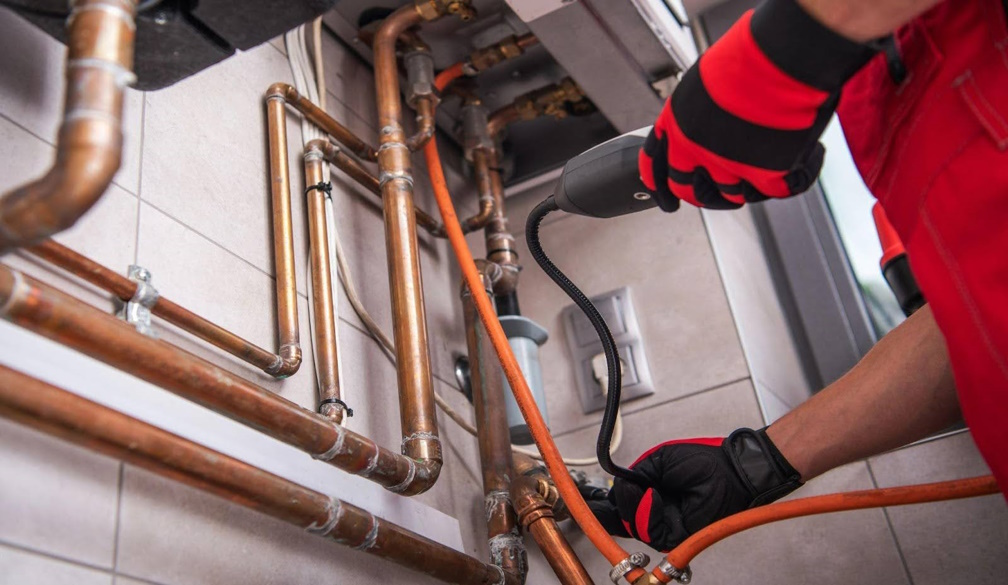
Gas leaks are silent threats lurking within both homes and workplaces. A gas leak occurs when natural gas or any other gaseous substance escapes from a pipeline or containment. This common household hazard can be faulty appliances, poor installation, or deteriorated piping. While gas leaks might seem inconspicuous initially, the dangers they pose are anything but subtle. Ignoring a gas leak can lead to serious health risks, property damage, and environmental consequences. This article will explore the causes of gas leaks, potential health and property damages, the ecological impact, and crucial response measures.
What is a Gas Leak, and How Does It Occur?
A gas leak is the escape of gas from its controlled pathway, be it in residential or commercial premises. Typically, this involves natural gases such as methane or hazardous gases like carbon monoxide. These gases are commonly used for heating, cooking, or powering appliances. When they escape, not only do they waste valuable resources, but they also pose significant safety risks.
Gas leaks are often caused by poorly maintained appliances, old or fractured pipelines, or faulty installation. In some cases, even natural disasters can result in gas line damages. Gas leaks can be sneaky, given that these gases are often colourless and, in the case of carbon monoxide, odourless. Though methane is typically odourless, a distinct smell added to it aids in detection. However, if ignored, this scent might dissipate over time, allowing the leak to become undetected.
Health Risks of Ignoring a Gas Leak
The health implications of a gas leak can range from mild discomfort to severe health crises. Exposure to these gases might cause dizziness, headaches, nausea, and breathing difficulties in the short term. If the exposure persists, more severe symptoms could develop. Long-term exposure, especially to carbon monoxide, can be lethal, leading to carbon monoxide poisoning. This condition can cause confusion, loss of consciousness, and even death if not treated promptly.
Vulnerable groups, such as children, elderly individuals, and pets, are at a heightened risk of adverse health effects. Their systems often cannot cope as well with the toxins, making prompt medical intervention crucial when symptoms manifest. Recognising these signs early and acting swiftly cannot be overstated.
Potential Property Damage from Gas Leaks
Beyond the immediate health dangers, gas leaks threaten property safety and integrity. Explosions and fires are serious risks associated with gas accumulation in enclosed spaces. A single spark can ignite a devastating fire or explosion, even from turning on an electrical appliance.
Further, gas leaks can weaken a building's structural integrity over time. Prolonged exposure of materials to gases can corrode piping and degrade other building materials, leading to costly repair work. Home appliances relying on gas, such as boilers or stoves, may also suffer damage due to continuous exposure. In financial terms, the cost of rectifying structural damage or replacing ruined appliances can be substantial, emphasising the cost-effectiveness of preventive measures.
Environmental Impact of Unchecked Gas Leaks
The consequences of gas leaks extend beyond human and property concerns, significantly impacting the environment. Uncontained natural gases, especially methane, are potent greenhouse gases contributing to climate change. Their release into the atmosphere accelerates global warming and exacerbates climate-related issues.
Moreover, the environmental toxins emitted from gas leaks can harm local ecosystems, adversely affecting wildlife and plant life. These consequences underscore the social and ecological responsibility to comply with regulations designed to minimise such emissions and protect the ecosystem. Taking action against gas leaks is crucial in the collective effort to preserve our planet.
How to Detect and Respond to a Gas Leak
Detecting a gas leak promptly is the first step toward mitigating its dangers. Common warning signs include the distinctive sulphuric smell (often described as like rotten eggs), a hissing sound near gas lines, or visible damage to pipes. Should any of these indicators be present, immediate action is vital. Residents or employees should evacuate the premises without using electrical switches, phones, or anything that can cause a spark.
Once outside, contacting emergency services is crucial. Before re-entering the premises, the leak should be professionally inspected and repaired. Installing gas leak detectors can add an extra layer of safety by providing alerts at the first sign of a problem.
Knowing what to do in a gas leak can save lives and properties. Being prepared and knowing the proper steps can make all the difference at home or in the workplace.
Conclusion
Ignoring a gas leak is a hazard no one can afford to risk. The health dangers, financial costs, and environmental impact underscore the importance of promptly addressing potential gas leaks. It is essential to prioritise safety measures, conduct regular maintenance, and ensure all gas appliances and installations function correctly. By educating themselves and others about gas leak safety, individuals contribute to a safer and more sustainable world. Prevention, early detection, and swift action are key in ensuring a safe living environment for everyone.