Kmart’s Homewares Revolution: How a Discount Retailer Became Australia’s Affordable Style Giant
- Written by: The Times
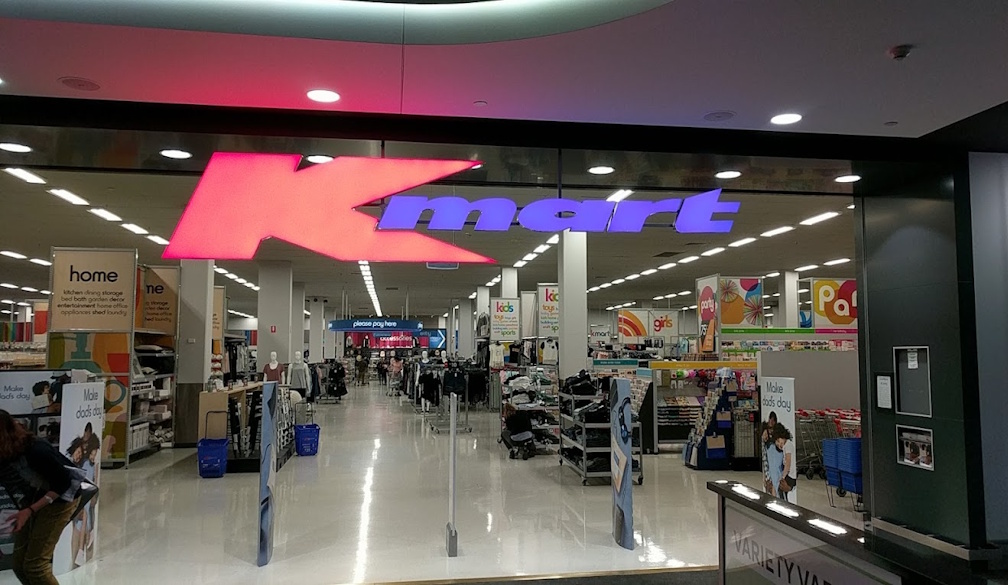
There was a time when many Australians viewed Kmart as the place to buy low-cost basics, school supplies and household necessities. Today, the retail giant has transformed into something very different: one of the most influential homewares and styling retailers in the country.
In suburban shopping centres right across Australia, shoppers now wander through carefully curated displays of cushions, candles, storage solutions, kitchenware, artificial plants, bedding, table settings and décor collections that look more like boutique interior stores than traditional discount retail.
The transformation has been remarkable.
For younger Australians setting up their first apartment, families refreshing living spaces on a budget, or homeowners wanting affordable seasonal styling, Kmart has become a destination rather than merely a convenience store.
In many ways, Kmart has evolved into Australia’s version of IKEA — but with a distinctly local twist.
Affordable Style for a Cost-Conscious Nation
The timing of Kmart’s rise as a homewares powerhouse has not been accidental.
Australians are living through a period of rising mortgage repayments, elevated rents, increased insurance costs and ongoing household budget pressure. Major renovations or expensive furniture upgrades are simply beyond the reach of many households.
Yet the desire to create attractive, comfortable and fashionable homes has not disappeared.
Instead, shoppers have adapted.
Rather than spending thousands redesigning a living room, consumers are increasingly using smaller styling purchases to refresh spaces. New cushions, modern storage baskets, soft lighting, linen bedding, wall mirrors and decorative accessories can dramatically alter the feel of a home without requiring major expenditure.
Kmart recognised this shift earlier than many competitors.
The retailer’s product development strategy appears heavily focused on trend replication at mass-market prices. Social media trends, Scandinavian-inspired minimalism, coastal aesthetics, soft neutral colour palettes and practical storage solutions now dominate many of its seasonal collections.
The result is that ordinary Australians can achieve magazine-inspired styling at accessible price points.
The Social Media Effect
One of Kmart’s greatest marketing advantages may be that its customers effectively advertise the brand themselves.
Entire online communities have formed around “Kmart hacks”, home styling videos, room transformations and budget decorating tutorials. Platforms such as TikTok, Instagram and Facebook are filled with Australians proudly showcasing affordable home makeovers using Kmart products.
This user-generated content has created enormous visibility for the retailer.
Unlike traditional advertising campaigns, these home transformation videos feel authentic and achievable. Consumers see real homes, real budgets and practical styling ideas rather than unattainable luxury interiors.
That relatability matters.
"The New Australian Home Aesthetic"
Kmart has also benefited from a broader cultural shift in how Australians view their homes.
During the pandemic years, homes became workplaces, entertainment zones and sanctuaries all at once. Australians spent more time indoors and became increasingly focused on comfort, organisation and presentation.
The demand for affordable home improvement accelerated sharply.
Today, many households continue prioritising home comfort over expensive travel or luxury spending. A well-styled bedroom, organised pantry or attractive outdoor entertaining area provides emotional value during economically uncertain times.
Kmart has positioned itself directly in the middle of that lifestyle movement.
Not Quite IKEA — But Similar
The comparison with IKEA is inevitable.
Both brands focus on affordability, functionality and modern styling. Both understand that younger consumers want design-conscious products without premium pricing.
However, there are important differences.
IKEA traditionally focuses heavily on furniture systems, flat-pack products and large-scale home furnishing solutions. Kmart instead concentrates on affordable styling accessories, soft furnishings and smaller home improvement purchases that are easy to buy impulsively during routine shopping trips.
Kmart’s suburban shopping centre presence also gives it an accessibility advantage. Consumers can quickly visit while grocery shopping or browsing other retailers, rather than committing to a major warehouse-style shopping trip.
The result is frequent repeat purchasing behaviour.
A Retail Success Story
At a time when many traditional department stores have struggled to maintain relevance, Kmart’s transformation stands out as one of Australia’s more significant retail success stories.
The company appears to have understood modern consumer psychology exceptionally well:
• Australians still want stylish homes.
• Consumers are highly price sensitive.
• Social media strongly influences purchasing behaviour.
• Affordable “mini upgrades” often replace expensive renovations.
• Convenience matters as much as price.
In the process, Kmart has reshaped how many Australians shop for their homes.
The modern Australian dream home is no longer built solely through expensive renovations and designer furniture showrooms. Increasingly, it is assembled piece by piece through affordable styling choices, practical storage solutions and carefully selected décor purchases.
And in that space, Kmart has become one of the nation’s dominant players.