Tweed Heads GP catchment reclassified to help reduce doctor shortage
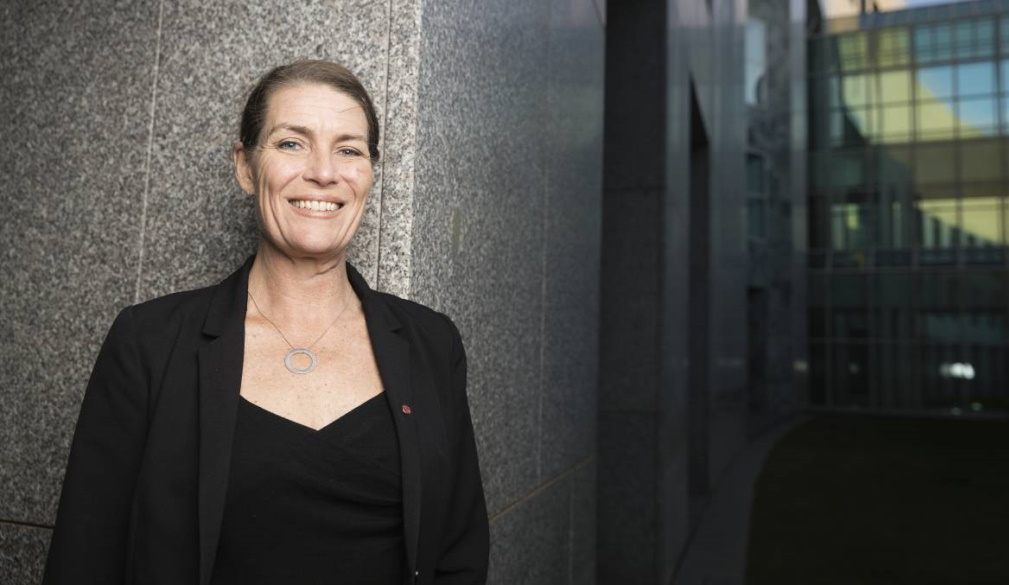
GP clinics in the Tweed Heads GP catchment area can now recruit overseas trained doctors and bonded medical practitioners, after the region successfully campaigned to have its Distribution Priority Area (DPA) status reviewed.
Tweed Heads is now classified as a DPA following an application to the Federal Liberal and Nationals Government’s “exceptional circumstances” review.
The Nationals Patron Senator for the Richmond Region, Perin Davey, said the successful applications from Tweed Banora Medical Centre and Bilambil Heights Medical Centre means all local medical practices in the catchment have more opportunity to address local GP doctor shortages.
“This change gives local GP practices a larger pool of doctors to recruit from which should make it easier for clinics such as Tweed Banora Medical Centre and Bilambil Heights Medical Centre, and now all others in the catchment area, to secure more doctors,” Senator Davey said.
“The DPA classification identifies regions where people find it harder to see a doctor, based on the needs of the community.
“Although the classification is updated each year, several medical practices in this area indicated they had been hit by sudden and unexpected changes and unmet demand during the pandemic period and had found it especially difficult to recruit doctors to the area.”
Reasons might include the retirement of GPs without replacement, changes in socioeconomic circumstances of the area, increasing GP waiting times, increasing Emergency Department presentations for GP type treatments or a sharp increase in patient numbers and patient needs.
Senator Davey said the DPA classification does not guarantee a doctor, but it allows medical practices in DPA catchments to recruit doctors subject to location restrictions, such as those who trained overseas.
Students who have accepted a Commonwealth Supported Place in an Australian medical course in return for a commitment to work in a regional, rural and remote area at the end of their studies must also work in a DPA.
“Having enough doctors is fundamental to any community and that’s even more true when you live or work in rural and regional areas,” Senator Davey said.
“For people of all ages, from babies to the elderly, being able to see a doctor when you have an illness or injury is important to your health and wellbeing.
Federal Regional Health Minister, Dr David Gillespie said he set up the review process to ensure that an area’s DPA status was based on contemporaneous information, supported vulnerable patient cohorts and was responsive to significant workforce and population changes.
The exceptional circumstances review applications were considered by an independent working group, which made recommendations to Minister Gillespie.
As well as changes to the health workforce or services, the review considers demographics, and more up to date data which was not available at the time of the previous DPA update. The DPA indicator has been in place for three years, helping prioritise access to doctors for underserviced rural areas.
It is one of many Australian Government initiatives to address the maldistribution of the medical workforce and encourage doctors under location restrictions to work in regional, rural and remote communities.