Worried after sunscreen recalls? Here’s how to choose a safe one
- Written by: Katie Lee, Postdoctoral Researcher, Dermatology Research Centre, The University of Queensland
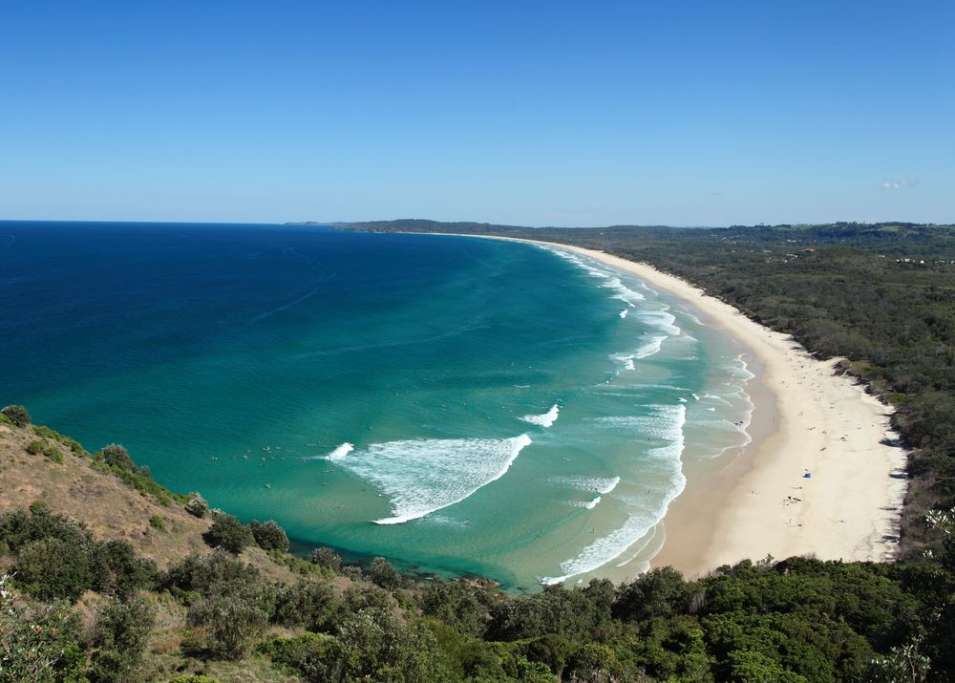
Most of us know sunscreen is a key way[1] to protect areas of our skin not easily covered by clothes from excessive ultraviolet (UV) radiation.
But it’s been a rough year for sunscreens.
In June, testing by Choice[2] identified 16 products on Australian shelves that don’t provide the SPF protection they claimed.
In July, the Therapeutic Goods Administration (TGA) released a review[3] recommending the amount of certain chemical ingredients allowed in sunscreens should be lowered.
Since then, several other sunscreens[4] have been recalled[5] or are under review, either due to manufacturing defects or concerns about poor SPF[6] cover.
All this has left many of us feeling confused[7] about which sunscreens are safe, effective and do what they say on the label.
Here’s what you need to know so you can stay safe this summer.
The good news first
There’s very little evidence sunscreens cause cancer and plenty of evidence they prevent skin cancer.
This is vital in Australia, where two in three people[8] will get skin cancer at some point in their lives.
One randomised controlled trial[9] in Queensland, run over four and a half years between 1992 and 1996, asked 1,621 people to either use sunscreen every day or continue their usual use (usually one or two days a week or not at all).
It found using sunscreen every day reduced the numbers of squamous cell carcinomas by 40%[10], compared to the group that didn’t change their habits. Ten years after the study, the number of invasive melanomas was reduced by 73%[11] in the daily sunscreen group.
Significantly, this study was conducted in the 90s using SPF 16 sunscreen. Modern sunscreens are expected to routinely provide SPF 30+ or 50+ protection.
Companies should provide the SPF levels they’re advertising. But this research shows even sub-par sunscreen (by modern standards) provides significant protection with daily use.
Making sure SPF claims stack up
In Australia, the TGA regulates how SPF is assessed in sunscreens, but doesn’t do the testing itself. Instead, companies perform or outsource the testing, which must be done on human skin, and provide the TGA with their results.
But when Choice independently tested 20 Australian sunscreens, it found 16 did not meet the SPF factor on the label.
An ABC investigation pinpointed two potential sources of the problems: a poor quality base ingredient manufactured by Wild Child Laboratories[12], and suspicious SPF testing data from Princeton Consumer Research[13], which many of the brands relied on.
The TGA has since recommended that people stop using 21 products that contain the Wild Child base, listed here[14].
What about the chemical ingredients?
The TGA regularly reviews scientific research to make sure Australian sunscreens keep up with advances in safety and effectiveness. To be sold in Australia, sunscreens must use active ingredients from a specific list, limited at maximum concentrations[15].
July’s safety review found evidence that two permitted ingredients – homosalate and oxybenzone – can cause hormone disruptions in some animals exposed to high doses for a long time[16]. These doses were far higher than someone would be exposed to from sunscreen – even at the maximum usage – thanks to the TGA’s ingredient limits.
Still, chemical risks are managed strictly. The amount absorbed during consistent, high-dose sunscreen use, year-round, must be less than 1%[17] of the dose known to cause problems in animals.
The new results suggest that absorption could go over this “margin of safety”. So the TGA has recommended[18] the amount allowed be reduced.
Homosalate and oxybenzone are not being banned, and you don’t need to throw out sunscreens containing these ingredients.
But if the idea of using them makes you nervous, you can check ingredient lists and buy sunscreens without them.
What should I look for in a sunscreen?
When buying a sunscreen there are four non-negotiables[19]. It must have:
- 30+ or 50+ SPF
- broad spectrum UV protection (filters both UVB and UVA rays)
- water-resistant (for staying power in Australia’s sweaty climate)
- TGA approval mark on the packaging (“AUST L” followed by a number).
Sunscreen only works if you use it, so choose a sunscreen you like enough to actually wear.
There are milks, gels and creams, unscented, matte, tinted and many other varieties. Since faces are often the most sensitive, many people use a specialty sunscreen for the face and a cheaper, general one for the rest of the body.
Spray-on sunscreen[20] is not recommended, however, because it’s too hard to apply enough.
You need to apply more than you think
Sunscreen works best when you apply it 20 minutes[21] before you go into the sun, and reapply every two hours and after swimming, sport or towel drying.
How you apply it affects how well it works. You need about one teaspoon[22] each for:
- your face and neck
- back
- chest and abdomen
- each arm and leg.
It’s also common to miss[23] your ears, hands, feet and back of the neck – don’t forget these either.
Sunscreen usually lasts two to three years[24] stored below 30°C, so keep an eye on the use-by date and follow any instructions about shaking before use.
If the sunscreen seems to have separated[25] into thinner and thicker layers even after shaking, the ingredients providing SPF may not be mixed evenly throughout and might not work properly.
Read more: Does my sunscreen actually work? Here’s what’s behind the latest SPF concerns[26]
But remember – sunscreen isn’t a suit of armour
If you’re planning to be out in the sun[27] for more than a few minutes at a time, slip on sun-protective clothing and slap on a hat. Use sunscreen to protect the areas you can’t easily cover.
Slide on sunnies and seek shade where possible to complete your sun-protection practice for a burn-free summer.
References
- ^ key way (doi.org)
- ^ testing by Choice (www.choice.com.au)
- ^ review (www.tga.gov.au)
- ^ other sunscreens (pharmacydaily.com.au)
- ^ recalled (www.tga.gov.au)
- ^ poor SPF (www.abc.net.au)
- ^ feeling confused (theconversation.com)
- ^ two in three people (www.cancercouncil.com.au)
- ^ randomised controlled trial (doi.org)
- ^ by 40% (doi.org)
- ^ reduced by 73% (ascopubs.org)
- ^ Wild Child Laboratories (www.abc.net.au)
- ^ Princeton Consumer Research (www.abc.net.au)
- ^ listed here (www.tga.gov.au)
- ^ maximum concentrations (www.tga.gov.au)
- ^ exposed to high doses for a long time (www.tga.gov.au)
- ^ less than 1% (consultations.tga.gov.au)
- ^ recommended (www.tga.gov.au)
- ^ non-negotiables (www.cancer.org.au)
- ^ Spray-on sunscreen (www.arpansa.gov.au)
- ^ 20 minutes (www.cancer.org.au)
- ^ one teaspoon (www.cancer.org.au)
- ^ common to miss (www.dermcoll.edu.au)
- ^ two to three years (www.cancer.org.au)
- ^ separated (www.cancer.org.au)
- ^ Does my sunscreen actually work? Here’s what’s behind the latest SPF concerns (theconversation.com)
- ^ planning to be out in the sun (www.cancer.org.au)
Read more https://theconversation.com/worried-after-sunscreen-recalls-heres-how-to-choose-a-safe-one-265667