The Miracle of Using Skin Patch Treatment for Skin Problems
- Written by: NewsServices.com
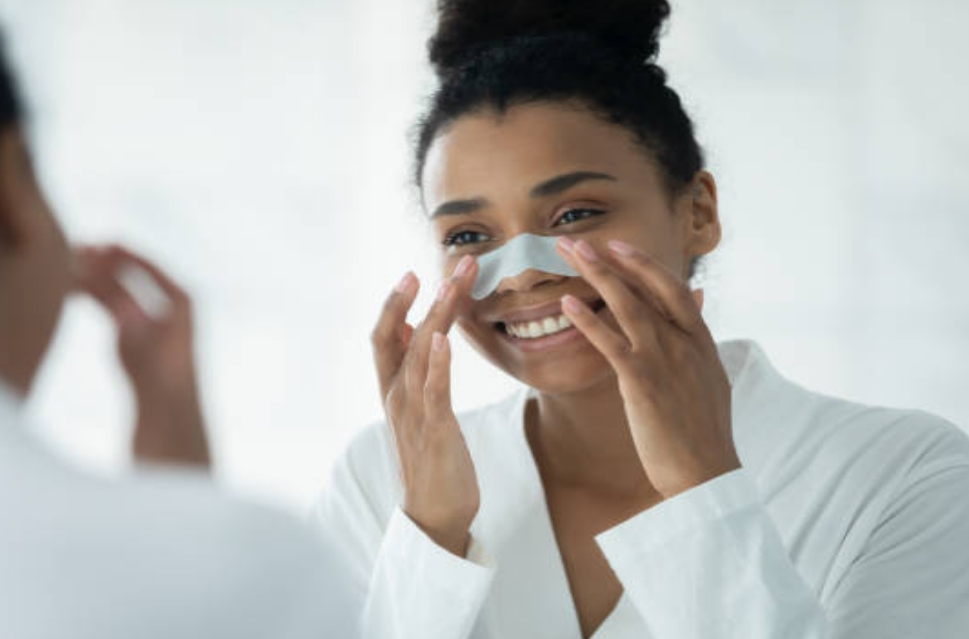
Overview of Skin Patches Treatment
Skin patches are becoming increasingly popular as a treatment for various skin conditions. Skin patches are designed to deliver medication directly to the affected area, providing a targeted approach to treating skin problems. Here is an overview of how skin patch treatments work and what you should know before considering this type of therapy.
A skin patch is typically made from an adhesive material that contains medication or other active ingredients. The patch is placed directly on the affected area and left for a specified period of time, usually several hours or up to three days depending on the condition being treated. During this time, the ingredients in the patch will be absorbed through the surface of your skin and enter your bloodstream, delivering their therapeutic benefits directly to where they’re needed most.
One advantage of using the Patch Remedy instead of creams or ointments is that they provide a sustained release of medication over an extended period without having to reapply them numerous times throughout the day. This makes them ideal for treating chronic conditions such as eczema, psoriasis, acne, and many others that require ongoing treatment over long periods of time. In addition, because they don’t need to be rubbed into your skin as creams or ointments do, there is less risk of irritation or allergic reactions.
Types of Skin Patches
Skin patches are an increasingly popular form of medication delivery, offering a convenient and effective way to deliver drugs directly to the skin. While most people are familiar with over-the-counter nicotine patches, there are many different types of skin patches available for various conditions. Here is a quick overview of the different types of skin patches and how they work.
- Transdermal Patches: Transdermal patches are perhaps the most common type of skin patch and can be used to deliver a wide variety of medications, such as pain relievers, hormones, and even nicotine replacement therapy. These patches contain small doses of medication in adhesive backing which slowly releases into the bloodstream through the skin when applied topically.
- Controlled Release Patches: Controlled release or sustained release drug delivery systems use polymers or other materials to control drug release rates over an extended period of time. This type of patch is often used for medications that need to be taken regularly over long periods without having to take multiple doses each day, such as those used in hormone replacement therapy (HRT).
- Reservoir Patches: Reservoirs contain drugs that diffuse through a semipermeable membrane allowing them to be released gradually as needed—typically at regular intervals throughout the day.
Benefits of Skin Patches Treatment
There is no doubt that skin patches are becoming an increasingly popular choice for treating a variety of skin conditions. Skin patches provide numerous benefits to patients and can be used as an alternative to traditional topical treatments. In this article, we'll explore the different benefits of using skin patches for treatment and how they can help improve overall health.
One of the major advantages of using a skin patch is that it provides a sustained release of medication over time. This means that patients don't have to worry about taking multiple doses throughout the day, which can potentially lead to missed doses or even overdose if taken incorrectly. Additionally, many skin patch medications contain lower doses than those found in traditional topical treatments, reducing any potential side effects and allowing for more precise dosing control.
Skin patches also offer convenience since they are easy to apply and don't require a frequent application like some other forms of topical treatment do. This makes them ideal for those who have difficulty remembering or following through with their medication regimen due to busy schedules or other commitments. In addition, they allow greater freedom since they can be worn while engaging in activities such as swimming or showering without worrying about them coming off prematurely or losing their effectiveness because of water exposure.
Potential Side Effects and Risks
When you make the decision to start taking a new medication, it is important to be aware of the potential side effects and risks that come with it. Knowing what these may be can help you understand how your body may react and what signs to look out for while taking the medication.
Common side effects that can occur when taking any type of medication include dizziness, headaches, nausea, vomiting, constipation or diarrhea, difficulty sleeping, or excessive sleepiness. While these are usually mild and temporary reactions to some medications, more serious problems such as an allergic reactions could occur.
Symptoms of an allergic reaction can include hives (raised red bumps on your skin), swelling on your face or tongue, difficulty breathing, or chest tightness. If any of these symptoms occur after starting a new medication it is important to seek medical attention immediately as this could be a sign of anaphylaxis - a life-threatening condition that requires immediate treatment with epinephrine (adrenaline).
In addition to common side effects and allergic reactions, there are other potential risks associated with certain medications. For example, if prescription opioids are taken at higher doses than recommended they may cause respiratory depression which can lead to death.
Preparing for Skin Patches Treatment
Are you considering skin patch treatments to help improve your skin condition? Skin patch treatments involve the application of a topical product to a specific area of the body, usually in an effort to treat a particular condition or ailment. Skin patches can be used to treat acne, eczema, psoriasis, dermatitis, dryness, and other skin conditions.
Before starting any type of treatment involving skin patches, it is important that you consult with a dermatologist or medical professional for advice. This will ensure that the treatment is suitable for your particular needs and will also allow them to provide additional guidance on how best to prepare for it. Here are some tips on how best you can prepare for skin patch treatments:
- Read Up on the Treatment: It's important that you understand exactly what kind of treatment is being proposed and what kind of results you should expect from it. Do some research into the various types available and read up on any potential side effects associated with each one so that you know what to expect when using them.
- Cleanse Your Skin Thoroughly: Before applying any type of topical product onto your skin it's essential that you cleanse it properly first in order to remove dirt and oil build-up which could interfere with absorption rates.
Aftercare for Skin Patch Treatment
When it comes to skin patch treatments, aftercare is just as important as the actual treatment. Skin patch treatments are a great way to address skin issues such as wrinkles, acne, and sun damage. While the treatment itself can be effective in improving your skin’s appearance and health, proper aftercare is vital for ensuring the long-term success of the treatment. Here are some tips on how to properly care for your skin after a patch treatment:
- Protect Your Skin: The most important part of any post-patch care routine is protecting your skin from further damage caused by UV rays or other environmental factors. Make sure you’re using sunscreen with an SPF of at least 30 each day and wear protective clothing when you go outdoors.
- Keep Your Skin Clean: Keeping your treated area clean will help ensure that any bacteria or dirt doesn't get into the healing wound and cause infection or irritation. Gently wash the area with a mild cleanser twice daily and avoid scrubbing too hard or using harsh chemicals on the affected area.
Conclusion
In conclusion, skin patches are a viable treatment option for many medical conditions, from allergies to psoriasis. They offer an easy and convenient way to receive medication without having to take pills or injections. Additionally, they can provide more localized and sustained drug delivery than other methods. However, it is important to consult with a doctor before beginning the use of any skin patch as the right patch may depend on the underlying condition being treated.