The Blood Test That Could Change Colon Cancer Screening Forever
- Written by: The Times
A simple blood test that may one day reduce the need for colonoscopies is generating enormous interest around the world, including in Australia. For millions of people who avoid bowel cancer screening because they fear or dislike colonoscopy procedures, the development could become one of the most significant medical advances in preventive healthcare in decades.
Bowel cancer, also known as colorectal cancer, remains one of Australia’s deadliest cancers, but it is also among the most treatable when detected early. The challenge has always been convincing people to get tested before symptoms appear.
Now researchers and biotechnology companies are racing to perfect blood-based screening tests that can identify signs of bowel cancer from a simple blood sample.
Why Colonoscopies Matter
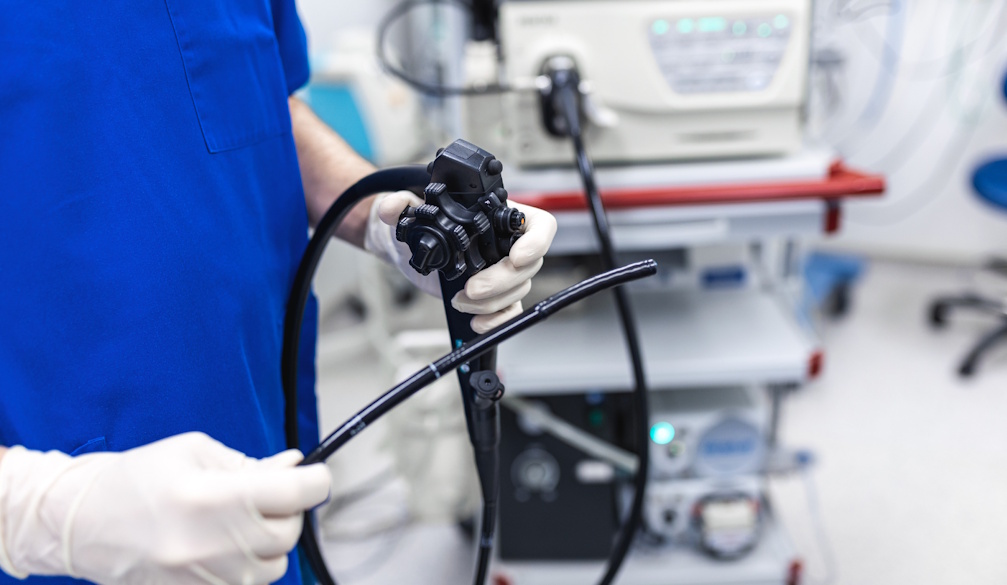
Colonoscopies are currently regarded as the gold standard for detecting bowel cancer and pre-cancerous polyps. During the procedure, doctors insert a camera into the colon to visually inspect the bowel and remove suspicious growths.
The procedure saves lives every day, but many Australians avoid it because of:
- Fear of discomfort
- Embarrassment
- Preparation requirements
- Sedation concerns
- Cost in some circumstances
- Time off work
- Anxiety about the results
Health experts say reluctance to undergo colonoscopy is one reason bowel cancer is sometimes detected too late.
Australia already operates the National Bowel Cancer Screening Program, which sends free at-home stool testing kits to eligible Australians. Those tests look for traces of blood in bowel motions and are highly valuable, but participation rates remain lower than health authorities would like.
A blood test could potentially encourage far more people to participate in screening.
What Is the New Blood Test?
The emerging technology works by detecting fragments of tumour DNA, proteins, or other cancer-related markers circulating in the bloodstream.
Some tests are designed specifically for bowel cancer, while others attempt to identify multiple cancers from one blood sample.
In simple terms, the blood test searches for biological “warning signals” that cancer cells may leave behind long before a patient becomes seriously ill.
Researchers believe the tests could eventually:
- Increase early detection
- Encourage more people to screen
- Reduce pressure on hospitals
- Identify high-risk patients faster
- Potentially lower healthcare costs over time
Importantly, experts stress these tests are not yet viewed as complete replacements for colonoscopies.
If a blood test shows a suspicious result, patients would still usually require a colonoscopy for confirmation and treatment.
Is It Available In Australia?
The answer is yes — but only in limited ways at this stage.
Some blood-based colorectal cancer screening technologies are already available commercially in parts of the world, including the United States, and Australian specialists are closely monitoring developments.
Australian researchers and medical institutions are also participating in cancer blood test research programs and clinical studies.
However, the technology has not yet replaced Australia’s established bowel screening system.
For now:
- Colonoscopies remain the definitive diagnostic tool
- Stool-based FIT tests remain the national screening standard
- Blood tests are still emerging and evolving
- Some private providers may offer versions of the technology
- Wider regulatory approval and long-term validation are still ongoing
Medical experts caution Australians to be careful about marketing claims from some private companies offering expensive screening packages.
Not all blood tests are equal, and some are still being assessed for accuracy and reliability.
The Accuracy Question
The biggest issue surrounding these tests is sensitivity.
A screening test must reliably detect cancers early enough to save lives while avoiding large numbers of false positives or missed cancers.
Researchers are working to improve:
- Detection rates
- Reliability in early-stage cancers
- Ability to identify pre-cancerous polyps
- Cost effectiveness
- Population-scale usability
Some studies have shown promising results, especially for detecting more advanced cancers, but specialists say identifying very early disease remains challenging.
That is important because catching bowel cancer early dramatically improves survival rates.
Why Australians Should Pay Attention
Australia has one of the highest bowel cancer rates in the world, making improved screening technologies particularly important locally.
Doctors continually warn that many Australians delay testing despite symptoms such as:
- Blood in stool
- Persistent abdominal pain
- Unexplained weight loss
- Changes in bowel habits
- Ongoing fatigue
A simpler blood test may eventually encourage earlier action from people who currently avoid screening altogether.
Health authorities hope future testing options could particularly help:
- Rural Australians
- Busy workers
- Older Australians
- People fearful of invasive procedures
- Communities with lower screening participation
Could Colonoscopies Eventually Disappear?
Probably not completely.
Even if blood tests become highly accurate, colonoscopies offer something unique: doctors can both detect and remove dangerous polyps during the same procedure.
That preventive capability is difficult to replace.
Instead, many experts believe blood tests may become a first-line screening tool that identifies people most likely to benefit from further investigation.
In that scenario:
- More people may get screened
- Colonoscopy demand may become more targeted
- Hospitals may operate more efficiently
- Earlier cancer detection rates could improve
The Bottom Line
The idea of detecting bowel cancer through a simple blood test is no longer science fiction. It is real, advancing rapidly, and attracting major global investment.
Australia is watching the technology closely, and over time it may become part of the country’s screening landscape.
But for now, Australians should not delay existing bowel cancer screening while waiting for future technology.
Doctors remain clear on one point: early testing saves lives.
Whether through a home stool kit, a colonoscopy, or eventually a blood test, the most dangerous screening test is the one never taken at all.
Editor's note.
Do not self diagnose. Always seek the services of a licensed medical practitioner for a determination of health related issues.