


Roux-en-Y Gastric Bypass and Sleeve Gastrectomy
- Written by: NewsServices.com
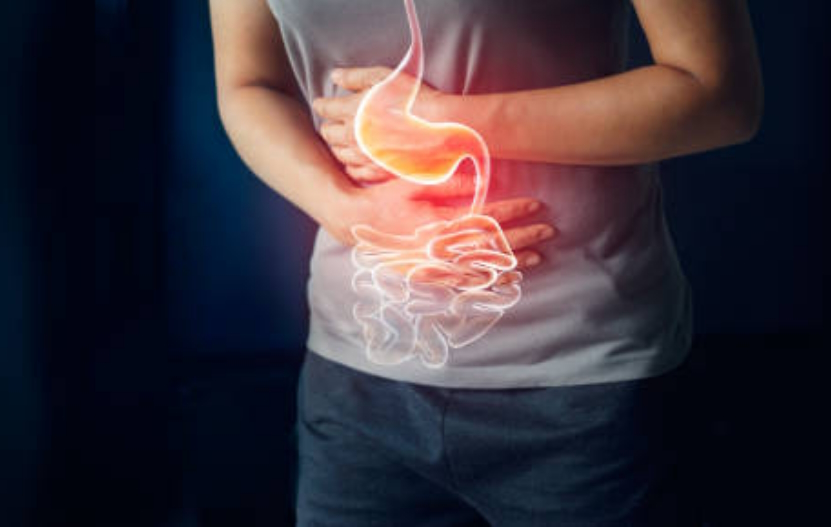
Comparison of Roux-en-Y Gastric Bypass and Sleeve Gastrectomy
As obesity levels around the world continue to rise, so too does the demand for bariatric surgery. Two of the most popular and successful types of weight loss surgery are Roux-en-Y gastric bypass (RYGB) and sleeve gastrectomy (SG). While both operations have been proven to be effective in helping patients lose a significant amount of weight, there are some key differences between them that should be considered before making a decision about which procedure is right for you.
The first difference between roux en y gastric bypass vs sleeve gastrectomy is in how they work. RYGB involves creating a small pouch from your stomach and connecting it directly to your small intestine, bypassing most of your stomach entirely. This reduces the amount of food you can eat at one time as well as slows down digestion so that fewer calories are absorbed into your body. SG on the other hand involves removing approximately 70% or more of your stomach creating a tubular-shaped “sleeve” with only one opening left in place at its narrow end leading directly to the small intestine – similar to RYGB but without rerouting any digestive organs. The smaller stomach size leads to reduced appetite and feeling full sooner while eating which helps with weight loss over time.
Advantages of Roux-en-Y Gastric Bypass
Roux-en-Y gastric bypass (RYGB) is one of the most common types of bariatric surgery performed in the United States. It has become a popular weight loss option for those who are severely overweight or obese, as it can result in significant weight loss and improved health.
The Roux-en-Y bypass procedure works by separating the stomach into two parts: a small pouch and a larger pouch. The smaller pouch is connected directly to the small intestine, while food passes through the larger pouch before entering the intestines. This allows for smaller amounts of food to be consumed at each meal, leading to feelings of fullness sooner than with regular dieting.
Advantages of Sleeve Gastrectomy
Sleeve gastrectomy is a surgical procedure used for weight loss. It involves the removal of about 75 per cent of the stomach, leaving a smaller “sleeve”-shaped stomach in its place. This procedure can be beneficial to those who are obese and have been unable to achieve their desired weight loss through diet and exercise alone; however, it is important to understand the potential risks before undergoing any surgical procedure. Here are some advantages of sleeve gastrectomy:
- Quick Weight Loss: One advantage of sleeve gastrectomy is that it often leads to rapid weight loss. Reducing the size of the stomach, this surgery limits how much food can be consumed at one time, which decreases calorie intake and causes patients to lose excess fat more quickly than with diet and exercise alone. Additionally, because the hormones that control hunger are affected by this type of surgery, many patients experience decreased appetite as well as rapid weight loss after having this procedure done.
- Long-term Weight Loss: Another advantage of sleeve gastrectomy is that it often leads to long-term weight loss if combined with healthy eating habits and an active lifestyle. By shrinking the size of your stomach, you may be able to eat less while still feeling full after meals.
Disadvantages of Roux-en-Y Gastric Bypass
Roux-en-Y gastric bypass is a popular surgical procedure for weight loss that has been used for decades. It involves rerouting the digestive system to reduce the amount of food that can be eaten and the calories that are absorbed. While it is an effective way to achieve weight loss, it also comes with some risks and disadvantages.
The most common complication associated with Roux-en-Y gastric bypass surgery is nutrient malabsorption. This occurs when the digestive system isn’t able to absorb nutrients from food properly, leading to deficiencies in vitamins and minerals like iron, calcium, folate, B12 and vitamin D. Patients may need to take supplements or multivitamins in order to make up for these deficiencies.
Another potential downside of Roux-en-Y gastric bypass surgery is a dumping syndrome. This happens when undigested food moves too quickly through your small intestine causing nausea, vomiting or diarrhoea after eating meals containing sugar or fat. Other symptoms associated with dumping syndrome include lightheadedness, sweating and rapid heart rate as well as abdominal pain or cramping after eating certain foods.
Disadvantages of Sleeve Gastrectomy
Sleeve Gastrectomy is a type of bariatric surgery that has been used to help people with severe obesity lose weight. While this procedure can be effective in helping patients achieve their weight loss goals, it also comes with several potential disadvantages. In this article, we will discuss some of the risks associated with this type of surgery and how they may impact your decision to undergo it.
One major disadvantage associated with sleeve gastrectomy is the risk of complications. This procedure involves removing part of the stomach, which can lead to issues such as infection and bleeding during or after the operation. Additionally, there is a risk of nutritional deficiencies since only part of the stomach remains intact after the surgery. Patients who have had sleeve gastrectomies may need to take vitamins or supplements to make sure they are getting all their recommended daily nutrients.









