Australian Snake and Spider Bites: How to Stay Safe in the Wild
Australia is a breathtaking country, full of unique wildlife and incredible landscapes. But when you're out exploring, it’s not just the jaw-dropping scenery you need to pay attention to. Beneath the beauty lies a hidden danger, some of the world’s deadliest snakes and spiders call Australia home. It’s not something to dwell on too much, but being aware of the risks and knowing what to do in case you encounter these creatures can mean the difference between a close call and a real emergency.
If you're planning to head out into the wild, whether for a hike, camping trip or a simple walk through nature, it’s important to stay prepared. In this guide, we’ll help you understand the potential risks, teach you how to identify dangerous species and, most importantly, show you how to stay safe by staying cautious and using a snake and spider bite kit. After all, it's better to enjoy Australia’s wilderness with peace of mind than to be caught off guard by a potential snake or spider bite.
Also Read: How to Stay Safe on Your Next Hike
Understanding Australian Wildlife Risks
Australia is home to over 170 species of snakes and dozens of venomous spiders. Now, that doesn’t mean you’ll bump into them everywhere, but you should know that they’re out there. Some of the deadliest snakes in the world, like the Eastern Brown Snake and the Coastal Taipan, are native to Australia.
These snakes are responsible for most of the recorded snake bite incidents in the country.
As for spiders, the infamous Redback Spider and Sydney Funnel-Web Spider top the list of dangerous species. Both have potent venom that can cause severe symptoms, especially if left untreated. While bites from these spiders are rare, they do happen, particularly when people accidentally disturb them.
Now, not every bush has a hiding snake or spider, here’s a reassuring fact: fatalities from snake and spider bites in Australia are extremely rare. Thanks to medical advancements and the wide availability of anti-venom, death from these bites has dramatically decreased. But that doesn’t mean you should let your guard down, being bitten can still be a painful and potentially life-threatening experience.
How to Identify Dangerous Species
Most people’s first reaction to seeing a snake or spider is to back away slowly or run for the hills. However, knowing how to identify the creatures you encounter can be key to avoiding unnecessary panic.
Dangerous Snakes
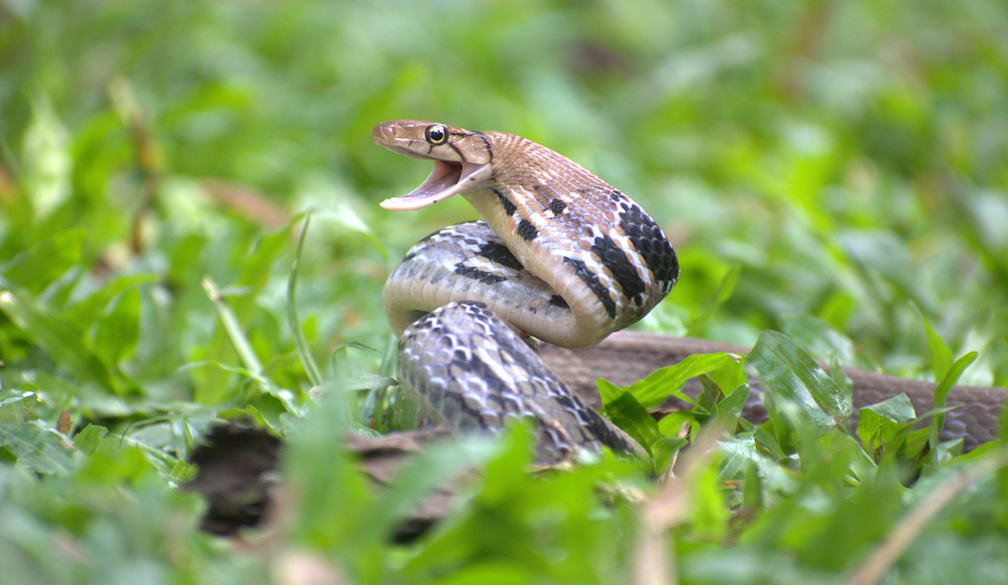
- Eastern Brown Snake: The most dangerous and common venomous snake in Australia. It’s slender and can vary in colour from pale brown to almost black. If threatened, it raises its body and displays an open mouth.
- Tiger Snake: Recognizable by its distinct banding pattern. It’s commonly found in coastal regions, and its bite is highly venomous.
- Coastal Taipan: This large, fast-moving snake is a force to be reckoned with. Found in northern regions, it’s highly aggressive when cornered.
Dangerous Spiders
- Redback Spider: A small black spider with a red stripe on its back. It’s often found in sheds, under rocks, or around your home. While its bite is venomous, anti-venom is available and effective.
- Sydney Funnel-Web Spider: Known for its aggressive behaviour, this spider is found in humid areas like forests and gardens. Its venom can cause severe symptoms, so seek immediate help if bitten.
Being able to differentiate between venomous and non-venomous species can ease your mind and help you decide what action to take.
Staying Safe: Prevention in the Wild
When it comes to snake and spider bites, prevention is your best defence. Here are some simple but effective tips to keep in mind when venturing into nature.
Avoid High-Risk Areas
Snakes love hiding in tall grass, under rocks, or in dense bushland. Stick to established walking trails and avoid disturbing logs or large rocks where snakes might be resting. For spiders, make sure to check any outdoor gear or shoes that have been left on the ground overnight.
Wear the Right Clothing
While it might be tempting to wear shorts and sandals in Australia’s warm climate, it’s best to cover up when exploring areas known for snakes and spiders. Long pants, sturdy boots, and thick socks can make a huge difference in preventing bites. A bite to the leg or ankle is much less likely if you're wearing protective gear.
Carry a Snake and Spider Bite Kit
It’s always better to be safe than sorry, so consider carrying a snake bite kit or a snake and spider bite kit with you. These kits usually include compression bandages and instructions for first aid, which can be lifesaving if you or someone in your group is bitten. Don’t rely solely on being able to reach help quickly, especially if you're in a remote area.
First Aid for Snake and Spider Bites
Even with all the precautions in the world, accidents can still happen. So, here are a few things you should do if you or someone else is bitten by a snake or spider:
Snake Bites
- Stay Calm: The more you panic, the faster the venom can spread. Keep as still as possible to slow circulation.
- Immobilise the Limb: Use a compression bandage to wrap the bite area firmly but not too tightly. If bitten on the arm or leg, immobilise the limb with a splint to keep it from moving.
- Call Emergency Services: Dial 000 and seek urgent medical attention. Describe the snake if possible, but don’t waste time trying to capture or kill it.
- Do Not: Cut the wound, suck out the venom, or apply ice. These outdated methods can cause more harm than good. If you have, use your snake bite kit to minimise the risk of fatality.
Spider Bites
For Redback Spider bites, wash the area with soap and water and apply an ice pack to reduce pain. While symptoms can be uncomfortable, they’re rarely life-threatening, so seek medical advice but don’t panic.
For a Sydney Funnel-Web Spider bite, treat it similarly to a snake bite: apply a pressure immobilisation bandage and get to the hospital immediately, as this spider’s venom can be extremely dangerous.
The Role of Anti-Venom
Australia’s anti-venom program is world-renowned, and it’s one of the reasons fatalities from bites have dropped so dramatically. Anti-venom works by neutralising the toxins in the venom, stopping it from doing more damage to the body.
If you're bitten, time is of the essence. The quicker you can get to a hospital and receive anti-venom, the better your chances of avoiding severe complications. Don’t wait for symptoms to get worse before seeking help. Even if the bite seems mild, it’s always better to err on the side of caution.
Preparing for Outdoor AdventuresPreparation is key when exploring the Australian wilderness. Before heading out, make sure someone knows where you’re going and what time you expect to return. This simple step can be crucial in case of an emergency. Equip yourself with a snake and spider bite kit and make sure everyone in your group knows basic first aid.
It’s also worth taking a wilderness first aid course to familiarise yourself with bite treatment and other common outdoor injuries. The more prepared you are, the more confidently you can enjoy Australia’s incredible wild spaces.
Conclusion
While Australia’s wildlife is undoubtedly dangerous, there’s no need to cancel your plans to explore the outdoors. With the right knowledge, preparation, and a bit of caution, you can safely navigate these risks and enjoy everything this beautiful country has to offer. Keep your eyes open and your gear packed, and always have your snake bite kit handy.