



For an Indigenous perspective on 'Australia Day', here's a quick guide to First Nations media platforms
- Written by: Tanja Dreher, Associate Professor, UNSW
First Nations people generally refer to January 26 as the beginning of invasion and subsequent dispossession of Country. It marks the start of much violence and 234 years of resistance.
Every year, as “Australia Day” nears, there is a sense of foreboding among First Nations people, which is widely expressed on social media. The lead-up to the day is always accompanied by high levels of confrontation and racism[1], especially online.
The mainstream media can fuel harmful debates, such as the comments about the 2019 Invasion Day marches by Kerri-Anne Kennerley on breakfast television[2] that prompted protests outside Channel 10 and complaints to the regulator.
First Nations media, on the other hand, provide information from Indigenous communities, journalists and experts that better reflects what is happening in response to events like “Australia Day”.
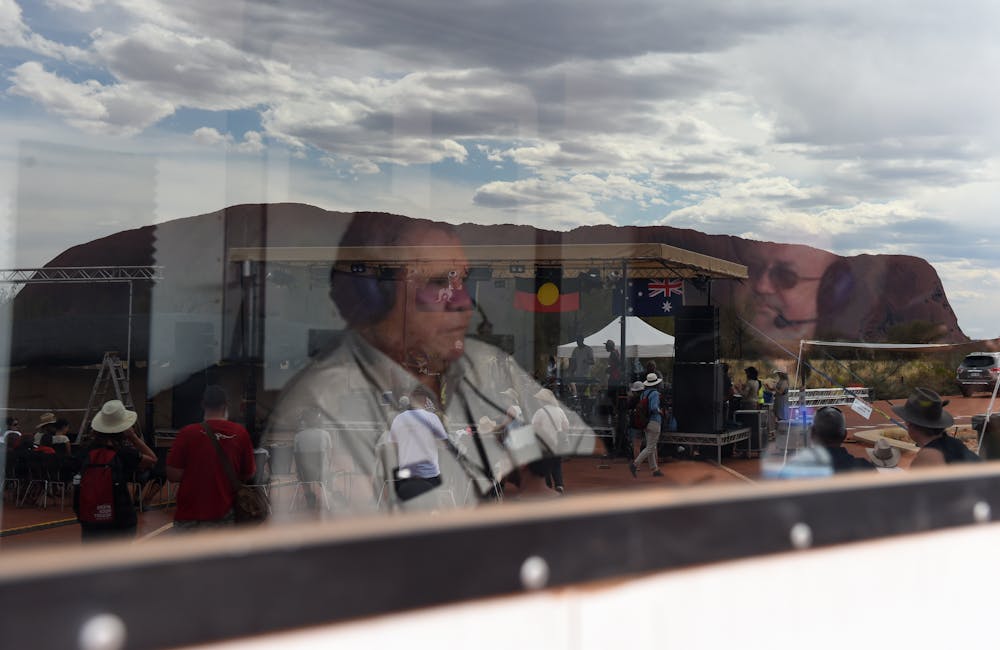
Indigenous media provide a wide range of coverage and programming on and leading up to the day. From community radio live broadcasts[3] of Invasion Day speakers to NITV’s week of dedicated programming #AlwaysWasAlwaysWillBe[4], First Nations media present self-determination in action.
Recent changes to what January 26 represents
In recent years, there has been a significant push across the continent to change the date as a way of recognising it is not a day of celebration for First Nations peoples.
In 2017, Triple J announced[5] it would move the Hottest 100 music countdown, which had always been on Australia Day. They did so after consultations with listeners and a poll of 65,000 people, in which a significant number voted in favour of moving the countdown to another day.
Also that year, Fremantle’s city council[6] decided it would replace its usual Australia Day celebrations with a “One Day” celebration on January 28 out of respect for First Nations people. The Darebin, Yarra and Moreland councils in Naarm (Melbourne) did the same.
In 2019, Sydney’s Inner West council[7] encouraged residents to attend the Yabun festival[8] instead of local Australia Day celebrations.
First Nations people and growing numbers of allies attend Invasion Day rallies[9] on January 26, with the resurgent campaign to stop Black deaths in custody[10] increasingly at the forefront.
First Nations media have contributed to the growing awareness of issues like this, which disproportionately affect Indigenous people and communities. First Nations media also speak to the strength and tenacity of Indigenous people.
Read more: Media inclusion of Indigenous peoples is increasing but there is still room for improvement[11]
Sovereign voices on the airwaves
The First Nations media sector[12] is extensive and vibrant. Like Aboriginal community-controlled legal and medical services, Indigenous community broadcasting emerged from political struggles for self-determination in the 1970s and ‘80s. Today, there are more than 130 Indigenous community-controlled radio stations across the continent.
Community radio is a bedrock of First Nations media and provides one of the easiest and most accessible ways to hear a diverse range of sovereign First Nations voices — on every day of the year, not just January 26.
A look at some of what’s available this week and beyond
Invasion Day events
Koori Radio[13] will present a livestream from the Yabun festival[14] on Gadigal Country (Sydney). Now in its 20th year, it celebrates First Nations people’s survival and resilience.
Meeanjin (Brisbane) station Triple A Murri Country[15] presents the Original 100 “Always Was Always Will Be” countdown. This features music and songs that articulate the histories, experiences, struggles and strengths of First Nations peoples.
In the lead up to the annual Share the Spirit Festival[16] in Naarm (Melbourne), 3KND[17] showcases conversations with Indigenous artists and performers[18].
3CR[19] features annual special programming[20] by Indigenous broadcasters, live coverage of speeches from the Naarm rally, and news from local and interstate Survival/Invasion Day events and concerts.
Lastly, there are hourly Indigenous news bulletins broadcast nationally via the National Indigenous Radio Service[21].
Online streaming for every day
The online media platform Indigitube[22] (also available as an app) hosts a smorgasbord of First Nations music, news, interviews, special features and more.
Indigitube also streams content from almost 30 contributing stations, including:
Find your local Indigenous station here[23] or tune in online via station websites.
Blak podcasts
A few podcasts that provide a First Nations perspective of what “Australia Day” really means are:
First Nations voices across media
Beyond the extensive community radio sector, Indigenous voices are centred in diverse forms of First Nations media.
The Koori Mail[25] is a fortnightly national Indigenous newspaper wholly owned by five Bundjalung Aboriginal community organisations. This platform aims to give Indigenous Australians a voice often missing in mainstream media. There is the Koori Mail print and online editions, and also the podcasts[26] Koori Mail News and The Big Dorrie.
IndigenousX[27] is an online platform and rotating Twitter handle (@IndigenousX) showcasing a wide diversity of First Nations voices. Founder and CEO Luke Pearson[28] has shifted the focus from #changethedate to #changethenation[29].
The IndigenousX Twitter host this week is Spearim of Triple A Murri Country[30]. This Invasion Day, the IndigenousX website also features young First Nations contributors, alongside regular authors and an ongoing article collection debunking myths about Invasion Day[31].
First Nations journalists are also increasingly setting the agenda in some mainstream media outlets, including Lorena Allam[32], a Walkley award-winning Indigenous Affairs editor for The Guardian Australia.
The Guardian Australia has a track record of expanding boundaries in Indigenous news[33] by providing space[34] for First Nations opinions and voices every day and covering protests and rallies as they happen.
Over at The Age, Latimore[35] is the Indigenous affairs journalist. He recently covered attempts[36] by alt-right groups to hijack the Aboriginal Tent Embassy in Canberra, the longest-running protest[37] for Indigenous land rights, sovereignty and self-determination in the world, as it approaches its 50th anniversary on January 26.
Read more: First Nations kids make up about 20% of missing children, but get a fraction of the media coverage[38]
NITV[39] offers dedicated programming from January 19-26 under the slogan, #AlwaysWasAlwaysWillBe, which dates back to the Aboriginal land rights movement in far-western New South Wales in the 1970s.
NITV’s programming[40] includes a live broadcast of the 2022 sunrise ceremony, rolling news reports, a film premiere, online content and its flagship current affairs programs The Point and Insight.
So, if you want to hear the conversation and change the nation, #ChangeTheStation[41] and listen up to Black media[42].
References
- ^ high levels of confrontation and racism (theconversation.com)
- ^ Kerri-Anne Kennerley on breakfast television (www.theguardian.com)
- ^ community radio live broadcasts (www.3cr.org.au)
- ^ NITV’s week of dedicated programming #AlwaysWasAlwaysWillBe (www.sbs.com.au)
- ^ Triple J announced (www.theguardian.com)
- ^ Fremantle’s city council (theconversation.com)
- ^ Sydney’s Inner West council (www.sbs.com.au)
- ^ Yabun festival (www.sydneypoint.com.au)
- ^ Invasion Day rallies (www.sbs.com.au)
- ^ stop Black deaths in custody (www.theguardian.com)
- ^ Media inclusion of Indigenous peoples is increasing but there is still room for improvement (theconversation.com)
- ^ First Nations media sector (firstnationsmedia.org.au)
- ^ Koori Radio (kooriradio.com)
- ^ Yabun festival (kooriradio.com)
- ^ Triple A Murri Country (www.989fm.com.au)
- ^ Share the Spirit Festival (songlines.net.au)
- ^ 3KND (www.3knd.org.au)
- ^ Indigenous artists and performers (www.3knd.org.au)
- ^ 3CR (www.3cr.org.au)
- ^ annual special programming (www.3cr.org.au)
- ^ National Indigenous Radio Service (nirs.org.au)
- ^ Indigitube (www.indigitube.com.au)
- ^ here (nirs.org.au)
- ^ Dan Peled/AAP Image (photos.aap.com.au)
- ^ Koori Mail (koorimail.com)
- ^ podcasts (koorimail.com)
- ^ IndigenousX (indigenousx.com.au)
- ^ Luke Pearson (indigenousx.com.au)
- ^ #changethenation (indigenousx.com.au)
- ^ Triple A Murri Country (989fm.com.au)
- ^ debunking myths about Invasion Day (indigenousx.com.au)
- ^ Lorena Allam (www.theguardian.com)
- ^ Indigenous news (www.tandfonline.com)
- ^ providing space (www.theguardian.com)
- ^ Latimore (www.theage.com.au)
- ^ attempts (www.theage.com.au)
- ^ the longest-running protest (theconversation.com)
- ^ First Nations kids make up about 20% of missing children, but get a fraction of the media coverage (theconversation.com)
- ^ NITV (www.sbs.com.au)
- ^ programming (www.sbs.com.au)
- ^ #ChangeTheStation (989fm.com.au)
- ^ listen up to Black media (indigenousx.com.au)










