Micron Filtration in Pool Cleaners: How Much Does It Really Matter
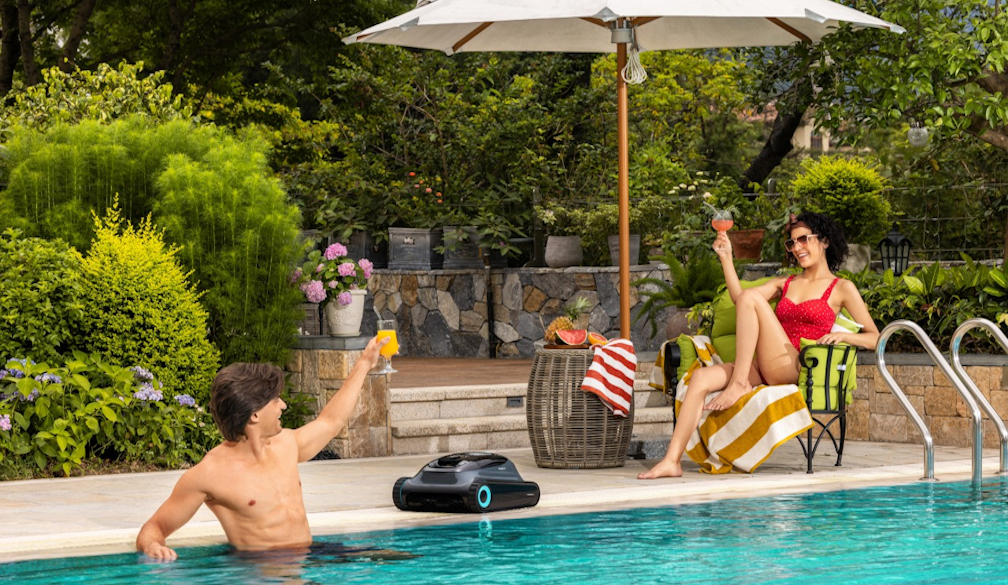
When it comes to pool maintenance, most people focus on the big-picture features suction power, battery life, or how fast the cleaner moves. But there’s one technical detail that often gets overlooked micron filtration. It might sound minor, but the filtration level of your pool cleaner directly impacts how clean and healthy your pool water stays. So, does micron filtration really matter.
What Is Micron Filtration
Micron filtration refers to the size of particles a pool cleaner’s filter can capture, measured in microns short for micrometers. To give you an idea of scale, one human hair is about 70 microns wide. So, when a robotic pool cleaner says it filters down to 10 microns, it means it can trap particles seven times smaller than a hair like pollen, dust, algae spores, and even fine sand.
Why Micron Size Matters for Pool Cleaners
Pool water may look clean, but if your filter can't catch the smaller particles, you're likely swimming with invisible debris. Here’s why that matters:
- Water clarity Filters with lower micron ratings remove finer particles that cloud your water.
- Health Pollen, bacteria, and algae can slip through larger filters, affecting swimmer health.
- Chemical efficiency A clean pool means fewer organics for chlorine to break down, helping your chemicals last longer.
- Algae prevention Micron filtration helps reduce nutrients in the water, making it harder for algae to thrive.
Typical Micron Ratings in Pool Filters
Not all pool cleaners use the same type of filtration. Here’s a breakdown of common filter types and their micron ranges:
- Standard cartridge filters: 10–20 microns
- Sand filters: 20–40 microns
- Diatomaceous Earth (DE) filters: 3–5 microns
- Robotic pool cleaners: Varies by model, generally between 2–20 microns
Premium cordless robotic pool cleaners now come equipped with fine or ultra-fine filter baskets capable of catching particles as small as 5 microns. That puts them on par with DE filters, which are known for top-tier filtration.
When Lower Micron Ratings Are Worth It
If your pool is frequently exposed to dust, fine sand, or tree pollen as is common in many parts of Australia a filter that captures smaller microns is a must. These tiny particles can settle at the bottom or remain suspended, leaving the water looking dull even after cleaning.
Lower micron filtration is especially helpful for
- Pools near the coast or deserts
- Pools surrounded by trees or flowering plants
- Pools used by children or people with allergies
- Post-storm cleanups, where fine debris enters the water
Is There a Downside to Finer Filtration
It might seem like finer always means better but there are trade-offs. Filters with very low micron ratings can clog more quickly, requiring more frequent cleaning or rinsing. In some cases, using an ultra-fine filter basket every time may slow down the cleaner slightly as water passes through denser media. That’s why many robotic pool cleaners come with interchangeable filters a standard filter for everyday cleaning and a fine or ultra-fine option when your pool needs a deeper cleanse.
How Robotic Pool Cleaners Handle Filtration
Unlike suction or pressure-side cleaners, robotic pool cleaners are self-contained units. They suck in water and debris through an onboard motor, trap particles in a filter basket or cartridge, and return clean water to the pool. The quality of this filter and its micron rating is key to how clean your pool actually gets. For pool owners searching for a reliable and efficient pool cleaner, understanding micron filtration is essential to making the right choice.
Tips for Maximizing Filtration Performance
To get the best results from your robotic cleaner’s micron filtration, follow these tips
- Clean the filter regularly Rinse it out after each cleaning cycle, especially after heavy use.
- Use the right filter for the job Swap in ultra-fine filters for high-pollen or post-storm cleanups.
- Avoid overloading the basket Debris buildup can reduce water flow and cleaning efficiency.
- Check the seals Make sure the filter basket is properly seated to avoid water bypass.
So, Does Micron Filtration Really Matter
It plays a huge role in maintaining sparkling, healthy pool water. A good robotic cleaner with fine filtration doesn’t just remove leaves and bugs. It polishes your water, helps reduce chemical use, and creates a better swimming environment. Especially for pool owners in Australia, where outdoor pools are exposed to everything from dry winds to heavy pollen, micron filtration is a feature worth paying attention to.
Final Thoughts
Micron filtration may not be the flashiest feature, but it’s one of the most important for keeping your pool truly clean. It goes beyond removing debris you can see it eliminates contaminants that affect water clarity, chemical balance, and swimmer health. If you’re shopping for the best pool cleaner to keep your water pristine, make sure to check the micron rating before buying. That one small detail can make a big difference in the long-term clarity and hygiene of your pool.