Why Is My Circuit Breaker Tripping? 4 Common Reasons (And What To Do Safely)
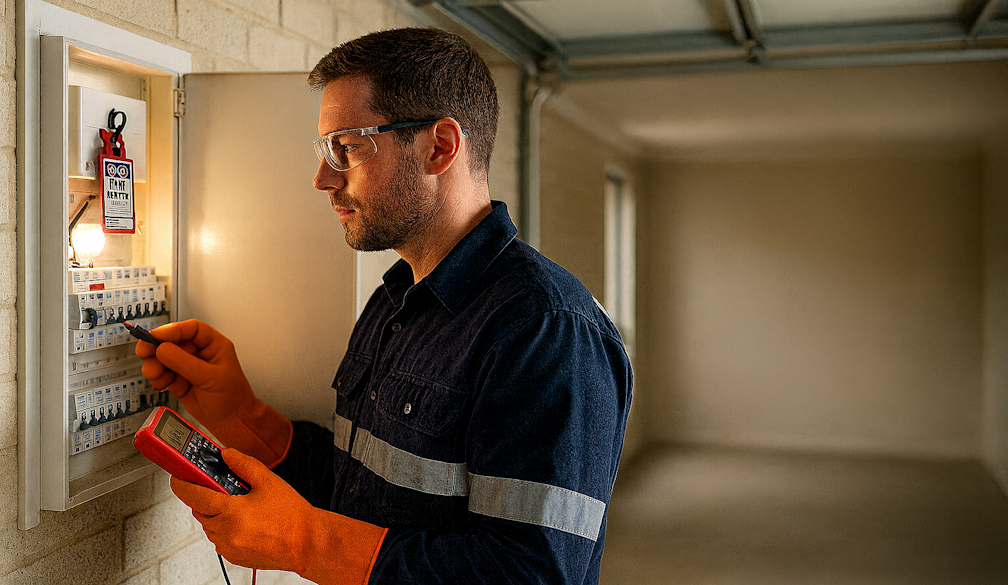
Your circuit breaker is a safety switch that stops power when something is not right. Modern boards also have RCDs, which detect small leaks of current and turn off fast. A trip can feel annoying, but it prevents shocks, appliance damage and wiring fires. Most trips are caused by four primary issues: excessive devices on a single circuit, a short circuit in wiring or an appliance, moisture allowing current to leak to earth, or an old or faulty breaker. Around kitchens, bathrooms or after heavy rain, water is often the hidden issue. If you suspect a leak, address the water issue first. Call an emergency plumber on the Central Coast to stop the source before any electrical checks.
Safety First: When to Stop and Call a Licensed Electrician
Stop resetting a breaker that trips straight away. Each trip means a fault, and more flicks can exacerbate the issue. If you smell burning, see scorch marks, or hear popping, turn the main switch off and keep it off. If water is near any electrical equipment, stay clear, wear dry shoes, and avoid touching wet appliances or outlets. Do not open the switchboard. In Australia, electrical work must be done by a licensed electrician. Call a professional promptly today.
Reason 1: Circuit Overload
This is the most common cause. Too many devices are running on the same circuit and they draw more current than the wiring and breaker are designed to handle. The breaker trips to prevent overheating and fire.
Typical signs: the trip occurs when heaters, kettles, toasters, air conditioners, or hair dryers are used together. Power points or plugs may feel warm to the touch.
Quick checks you can do safely:
- Unplug non-essential items on that circuit and try resetting.
- Run heavy-draw appliances one at a time.
- Remove daisy-chained power boards and cheap extension leads.
Prevention tips:
- Spread your appliances across different circuits if possible.
- Use quality power boards with built-in overload protection.
- Have a licensed electrician add circuits if you have an older switchboard or insufficient GPOs.
Reason 2: Short Circuit (Wiring or Appliance Fault)
A short circuit occurs when the active wire touches the neutral wire and creates a low-resistance path. Current surges cause the breaker to trip and protect the circuit.
Typical signs: the breaker trips the instant you reset it. You may hear a quick pop, notice a sharp, charred smell, or see damage on a plug, cord, or socket.
What you can try without tools:
- Think about what you switched on just before the trip. Unplu.g that appliance and reset the breaker.
- Check cords and plugs for nicks, crushed insulation, or burn marks. Do not use anything that looks damaged.
- If the breaker still trips with everything unplugged on that circuit, stop and call a licensed electrician.
Why it matters: Shorts can ignite surrounding materials. Do not keep testing the breaker.
Reason 3: Ground Fault / RCD Trip from Moisture
An RCD trips when current leaks to earth. Moisture is a common trigger. It appears in bathrooms, kitchens, laundries, and outdoor areas, often after storms. Garden irrigation, burst pipes and even condensation in garages or sheds can wet fittings and cause a trip.
What you can do:
- Turn off the affected circuit and allow the area to dry.
- Check for damp around outlets, under sinks, behind dishwashers and near hot water units.
- Replace cracked outdoor covers and keep appliances off wet surfaces.
If a leak caused the trip, fix the water source first so the fault does not return. Many households call plumbing Services to stop the leak quickly. On the Central Coast, an emergency plumber can isolate and repair the burst or overflow, allowing a licensed electrician to safely test and restore power.
Reason 4: Ageing or Faulty Breaker or Switchboard
Old ceramic fuses and tired breakers can start to misbehave. Years of heat, dust and vibration wear parts inside the device. Loose terminations create extra resistance, which builds heat and can trip a breaker even on a normal load. In older boards the insulation can also degrade, which increases small leakage currents and causes nuisance RCD trips.
Clues to look for:
- Frequent trips with light use on the circuit
- A warm or humming breaker
- Flickering lights or momentary brownouts on that circuit
- Corrosion, discolouration or scorch marks inside the board
- Cracked fuse carriers or brittle wiring insulation
Next steps:
Turn the affected circuit off and avoid repeated resets. A licensed electrician can test the breaker, check torque on terminations, and assess insulation resistance. They may recommend a modern switchboard with RCBOs for each circuit, clear labelling, and optional surge protection. An upgrade enhances safety, minimises nuisance trips, and facilitates the isolation and repair of future faults.
How to Reset a Tripped Breaker Safely
- Turn off or unplug appliances on the affected circuit. If unsure, unplug nearby items and switch off hard-wired appliances at their isolators.
- At the switchboard, stand on dry ground and keep your hands dry. Push the tripped breaker fully to the OFF position, wait a moment, then switch it to the ON position.
- If it trips immediately, stop. Leave it OFF and call a licensed electrician.
- If it holds, plug items back in one by one, waiting a couple of minutes between each. If one causes a trip, stop using it and have it checked.
- For RCDs, press the Test button monthly. Power will cut briefly. Reset by switching back to ON.
If The Trip Followed Rain or a Leak
Keep the breaker for the wet area OFF. Do not reset until you are sure the space is dry. Ventilate naturally and mop up standing water. Do not place fans or heaters near pooled water. Trace where the water came from. It might be a roof or window leak, a split pipe, or a faulty appliance. Fix the source first to cut shock risk and prevent repeat trips. In Sydney, arrange for plumbing services to stop the leak and make it safe. After drying, a licensed electrician can test insulation resistance and re-energise safely.
Prevention Checklist You Can Do Regularly
- Do not run high-draw devices on the same circuit at once, such as a heater, kettle, and toaster.
- Use outdoor-rated fittings and weatherproof covers on exterior outlets and lights.
- Keep cords untangled, off wet floors, and away from sharp edges or doorways.
- Replace damaged leads right away. Do not tape or join them.
- Label circuits in the switchboard to facilitate faster fault-finding.
- Have a licensed electrician review the switchboard if your home is older or has additions.
- In wet areas, keep splash zones clear of sockets and wipe condensation in kitchens and bathrooms.
- Test RCDs monthly with the Test button, then reset.
- Use quality power boards with overload protection and avoid daisy-chaining.
 "Pin It")