Everyday Workplace Hazards You Might Be Overlooking (And How to Stay Protected)
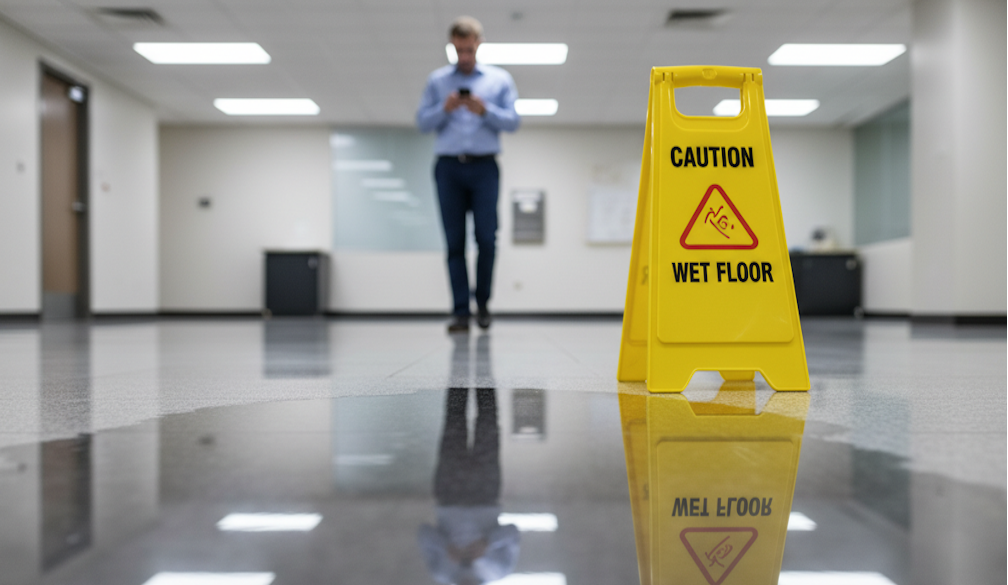
When people think about workplace safety, they often picture high-risk environments—construction sites, mining operations, or heavy manufacturing. But the reality is, hazards aren’t always obvious. In fact, some of the most common risks in Australian workplaces are the ones that go unnoticed day to day.
From airborne dust to low-level chemical exposure, these “invisible” dangers can have serious long-term effects if they’re not managed properly. The good news? With the right awareness and access to quality safety gear, they’re entirely preventable.
In this article, we’ll explore some commonly overlooked workplace hazards and how choosing the right equipment—and supplier—can make all the difference.
The Hidden Nature of Airborne Risks
One of the biggest challenges with workplace hazards is that many can’t be seen. Fine dust, fibres, and airborne particles often go unnoticed, especially in environments where they’re considered “part of the job.”
Over time, however, repeated exposure can lead to:
- Respiratory illnesses
- Long-term lung damage
- Reduced workplace productivity
- Increased absenteeism
This is why having the right respiratory protective equipment is essential—even in environments that don’t seem particularly hazardous at first glance.
Commonly Overlooked Workplace Hazards
1. Dust from Everyday Tasks
Activities like sanding, cutting, drilling, or even sweeping can release fine dust into the air. While it may seem harmless, prolonged exposure—especially to materials like silica—can be dangerous.
In these situations, a simple solution like a disposable p2 respirator can provide effective protection against airborne particles.
These respirators are lightweight, easy to use, and ideal for short-term or intermittent tasks.
2. Low-Level Chemical Exposure
Not all chemical exposure happens in large-scale industrial settings. Cleaning products, adhesives, paints, and solvents used in everyday operations can release vapours that accumulate over time.
Even at low levels, consistent exposure can impact respiratory health—especially in poorly ventilated areas.
3. Poor Ventilation
Workspaces without adequate airflow can allow contaminants to linger in the air longer than expected. This increases exposure levels, even if the source of the hazard is minimal.
Workshops, storage areas, and enclosed job sites are particularly vulnerable to this issue.
4. Inconsistent Use of PPE
One of the most common issues isn’t the lack of equipment—it’s inconsistent use. Workers may skip PPE for “quick tasks” or underestimate the level of risk involved.
Over time, these small decisions can add up to significant exposure.
Why the Right Supplier Makes a Difference
Having access to safety equipment is one thing—but having access to the right equipment, when you need it, is another.
This is where working with experienced industrial safety equipment suppliers becomes essential.
A reliable supplier can help you:
- Choose equipment suited to your specific tasks
- Ensure products meet Australian safety standards
- Maintain consistent stock levels
- Provide guidance on upgrades or replacements
Rather than guessing what’s appropriate, you’re able to make informed decisions based on expert advice.
Choosing the Right Protection for Everyday Tasks
Not every job requires complex or heavy-duty equipment. In many cases, simple and practical solutions are the most effective.
When Disposable Respirators Make Sense
For short-duration tasks or environments with low to moderate dust exposure, disposable respirators are often the most convenient option.
They’re ideal for:
- Construction and renovation work
- Landscaping and gardening
- Warehouse and logistics environments
- General maintenance tasks
A properly fitted disposable P2 respirator can significantly reduce the risk of inhaling harmful particles.
When to Consider Upgrading Protection
If exposure is frequent, prolonged, or involves hazardous substances, it may be worth exploring more advanced respiratory solutions.
This could include reusable respirators or powered systems that offer greater comfort and protection over extended periods.
The key is matching the level of protection to the level of risk.
Practical Steps to Improve Workplace Safety
Improving safety doesn’t always require major changes. Often, it’s about making small, consistent improvements across your workplace.
1. Increase Awareness
Educate your team about the risks associated with everyday tasks. When workers understand the “why,” they’re more likely to follow safety protocols.
2. Make PPE Easily Accessible
If equipment is difficult to access, it’s less likely to be used. Keep essential items—like respirators—readily available where work is being carried out.
3. Encourage Consistent Use
Reinforce the importance of wearing PPE, even for short tasks. Consistency is key to reducing long-term exposure.
4. Regularly Review Equipment
Workplace conditions can change over time. Periodically review your safety equipment to ensure it still meets your needs.
5. Partner with a Trusted Supplier
Working with knowledgeable industrial safety equipment suppliers ensures you’re always equipped with the right tools for the job.
The Role of Workplace Culture
Safety isn’t just about equipment—it’s about mindset. Creating a workplace culture that prioritises safety can have a lasting impact.
This means:
- Leading by example
- Encouraging open communication about hazards
- Recognising and addressing unsafe behaviours early
When safety becomes part of everyday operations, compliance becomes second nature.
Staying Aligned with Australian Standards
Australian workplaces are required to meet strict safety regulations, particularly when it comes to PPE.
Ensuring your equipment complies with relevant standards not only protects your workers but also helps you avoid potential legal and financial risks.
A reputable supplier can help you navigate these requirements and ensure your equipment is up to standard.
Final Thoughts
Workplace hazards aren’t always dramatic or obvious—but that doesn’t make them any less important. In many cases, it’s the everyday risks that have the greatest long-term impact.
By recognising these hidden hazards, using the right respiratory protective equipment, and partnering with reliable industrial safety equipment suppliers, you can create a safer, more proactive work environment.
Sometimes, it’s the small changes—like wearing a disposable P2 respirator during routine tasks—that make the biggest difference over time.
And when it comes to safety, those small steps are always worth it.
 "Pin It")