How Australian Enterprises Are Navigating the Complex Commercial Solar Transition
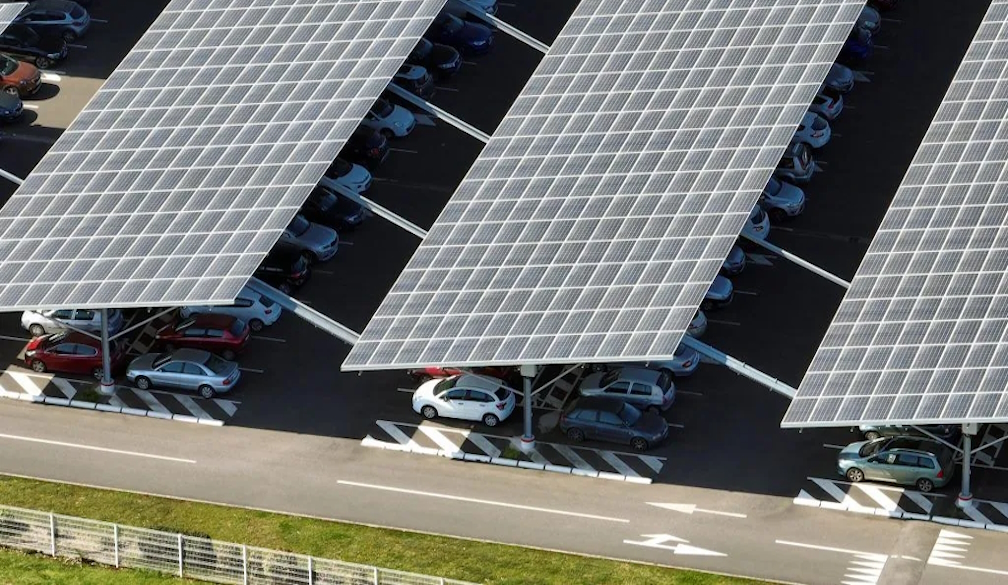
Australian businesses are currently facing an unprecedented energy landscape. Wholesale electricity prices, unpredictable grid tariffs, and a growing mandate for corporate sustainability are forcing enterprise leaders to rethink their operational expenses. Just as rising grid electricity costs and complex tariffs are forcing everyday consumers to rethink basic expenses, and soaring fuel costs are disrupting other major industries, commercial enterprises are realising they can no longer afford to ignore the urgent financial pressures of the modern energy market. The solution for many large-scale operations is a transition to commercial solar. However, treating a megawatt-scale solar rollout like a simple rooftop installation is a risky financial misstep that can cost companies thousands of dollars in missed efficiencies.
The Financial Reality of Grid Dependence
Historically, grid electricity was viewed as a fixed, unchangeable cost of doing business. Today, it is a volatile liability. Enterprise energy contracts are laden with hidden costs, including peak demand charges, time-of-use tariffs, and environmental levies. For facilities with heavy daytime operational loads, such as manufacturing plants, cold storage warehouses, and large retail centres, relying entirely on the grid leaves profit margins vulnerable to sudden rate hikes.
Moving to on-site renewable generation offers a compelling hedge against this volatility. By generating power exactly where it is consumed, companies can drastically reduce their exposure to grid pricing fluctuations while simultaneously meeting strict Environmental, Social, and Governance (ESG) targets. Yet, unlocking these financial and environmental savings requires a precise understanding of a facility's unique energy profile, which is why many seek professional solar consultancy services to map out their strategy before any hardware is purchased.
Regulatory Hurdles and Compliance Standards
Navigating the commercial solar transition requires more than just upfront capital. The Australian renewable energy sector is heavily regulated to ensure safety, grid stability, and consumer protection. Businesses must ensure their procurement meets strict industry standards before signing any contracts. For example, recent updates from the Clean Energy Council highlight that the New Energy Tech Consumer Code (NETCC) program has now surpassed a milestone of 2,000 approved sellers across Australia. This framework ensures that retailers follow a rigorous code of conduct focused on quality, clear quoting, and safe installations.
For enterprise decision-makers, this means that selecting a vendor is not simply a matter of finding the lowest price. It involves vetting providers against complex compliance frameworks, securing grid connection approvals from local network service providers, and ensuring the chosen technology integrates seamlessly with existing electrical infrastructure. Without a clear strategy, navigating these hurdles can lead to costly project delays and compliance failures.
Moving from Procurement to Strategic Implementation
Because the stakes are so high, acquiring a commercial solar system requires rigorous financial modelling and technical engineering. A miscalculated system size or a failure to secure the right grid export agreements can add years to a project's payback period, eroding the initial return on investment.
This is exactly why modern enterprises are shifting away from direct retailer purchases and instead relying on independent advisors to guide their investments. These experts help businesses design, plan, and optimise large-scale solar installations. By conducting detailed feasibility studies and managing complex tender processes, they transform a daunting capital expenditure into a structured, risk-mitigated financial strategy.
Key Pillars of a Successful Enterprise Solar Strategy
To ensure a commercial solar project delivers maximum return on investment, businesses should approach the transition methodically. A well-executed rollout generally involves several critical stages:
- Detailed Load Profiling: Analysing interval meter data to match solar generation curves with actual facility consumption, ensuring the system is neither undersized nor overcapitalised.
- Network Connection Approvals: Engaging proactively with local grid operators to understand export limits and technical requirements before any equipment is purchased.
- Technology-Agnostic Procurement: Running a competitive tender process to source high-quality panels and inverters that suit the specific environmental and structural conditions of the site.
- Financial Modelling: Calculating accurate payback periods by factoring in available government incentives, such as Large-scale Generation Certificates or Small-scale Technology Certificates, alongside depreciation benefits.
The transition to renewable energy is no longer just a corporate social responsibility talking point. It is a fundamental operational necessity for Australian businesses looking to protect their bottom line against an unpredictable grid. By acknowledging the regulatory complexities, understanding the financial nuances, and seeking expert guidance, enterprises can turn rooftop liabilities into long-term energy assets. The companies that successfully navigate this strategic transition today will undoubtedly hold a distinct competitive advantage tomorrow.