


How to Create a Personalized Relaxation Experience at Home
Here's a hard truth nobody wants to admit: most of us are running on fumes. Not just physically tired, mentally drained, emotionally stretched, and desperately in need of a real reset. According to Gallup, 57% of Americans say they'd feel better if they got more sleep. More than half the country is quietly exhausted. Sound familiar?
The good news is you don't need a five-star wellness retreat to feel human again. With some intention and the right tools, your home can become the sanctuary you've been craving. These home relaxation tips will help you start small, build smart, and actually notice the difference in how you feel day to day.
Designing Your Space: Building a Relaxing Home Environment
Creating a relaxing home environment isn't about Instagram aesthetics. It's about walking through your front door and feeling your shoulders drop.
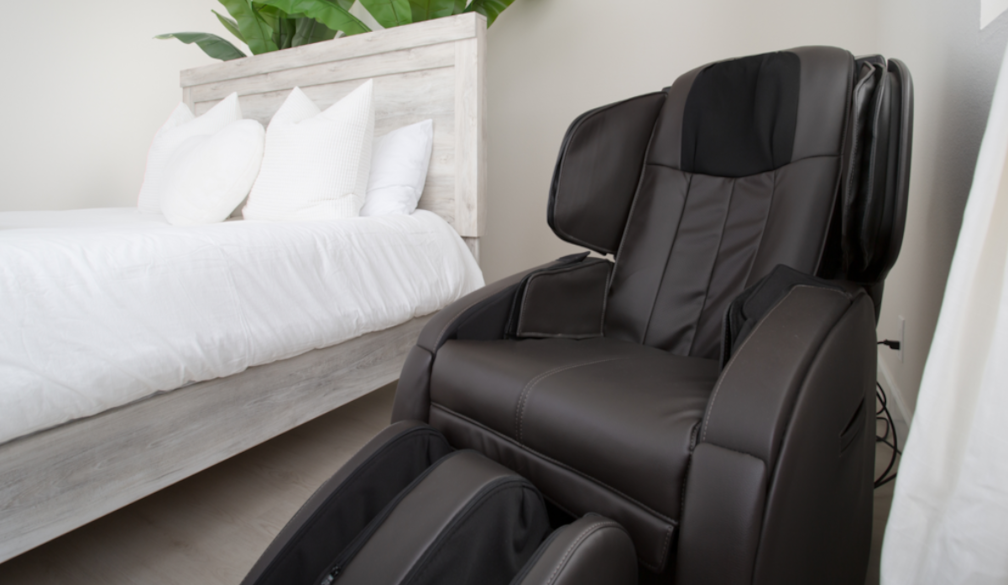
And if you're serious about leveling up your setup, you'll want to shop zero gravity massage chair options from OSIM, a brand certified by the Professional Chiropractic Association. It's one of those investments that quietly transforms your entire routine.
The Elements That Actually Set the Mood
Lighting is criminally underrated. Swap harsh overhead bulbs for warm, dimmable options and watch the whole room shift. Layer in neutral tones, soft textures, a chunky throw blanket, a worn-in rug, and maybe one or two plants you actually remember to water. Scent deserves a spot in this conversation, too. Lavender calms. Eucalyptus clears the head. Sandalwood just feels expensive. Your nose knows.
Why Clutter Is Quietly Stressing You Out
Visual mess creates mental noise. You might not notice it consciously, but it's there, humming in the background. A ten-minute tidy each evening, baskets for loose items, minimalist shelving, and only keeping things you genuinely love out on display changes the whole energy of a room. Less stuff. More space to breathe.
Now that your space is shaping up, let's talk about the habits that go inside it.
Personalized Relaxation: Designing a Routine That's Actually Yours
A beautiful room won't do much if your habits are working against you. Personalized relaxation at home means aligning your environment with how you actually decompress, not how wellness influencers tell you to.
Start With Honest Self-Assessment
Do you unwind better moving or staying still? Do you need music or total silence? A hot shower or a slow stretch on the floor? There's no right answer here. Understanding your personal stress patterns, what triggers them, and what defuses them is the difference between a routine that genuinely works and one that just looks good in theory.
DIY Home Spa Ideas That Cost Almost Nothing
You don't need a reservation or an expensive product lineup to feel truly pampered. Some of the best DIY home spa ideas are embarrassingly simple.
Spa-Level Experiences on Any Budget
An Epsom salt soak, a honey-oat face mask, and a warm towel over your neck. That's a genuine spa experience for under ten bucks. Add a few drops of essential oil to your bath, dim everything down, and queue up some ambient sound. Suddenly, your bathroom is a completely different place. Seriously, try it once, and you'll wonder why you waited so long.
Make Weekly Rituals Non-Negotiable
Block one evening a week. Protect it like a meeting you can't cancel. Rotate the rituals with the seasons, cooling cucumber masks when it's hot out, warming ginger foot soaks when the temperature drops. These small, repeated acts build something surprisingly powerful: a genuine sense of self-respect and consistency.
But external rituals only go so far. Lasting calm has to come from the inside too.
Relaxation Techniques That Are Actually Backed by Science
The most effective relaxation techniques for home use don't require special equipment or a certification. They just require a few quiet minutes.
Mindfulness Practices Worth Your Time
Box breathing is ridiculously effective for how simple it is: inhale for four counts, hold for four, exhale for four, repeat. Two minutes, and your nervous system has genuinely shifted. Progressive muscle relaxation, where you deliberately tense and release each muscle group from toe to neck, works beautifully right before bed. Both are free. Both work immediately.
Movement and Massage for Physical Tension
Gentle yoga flows, foam rolling tight spots, targeted self-massage, tension accumulates silently throughout the day, and these practices pull it back out. A quality massage chair takes this to another level entirely. Consistent, full-body relief without effort or scheduling. Once you've experienced it after a brutal workday, it's hard to imagine going back.
Relaxation Tools You Haven't Explored Yet (But Should)
The home wellness space has genuinely exploded, and not all of it is hype. The home wellness gadgets market hit $6.9 billion in 2025. That number reflects real demand from real people investing in their own recovery.
Gadgets Worth Considering
Infrared sauna blankets, weighted blankets, and PEMF mats are increasingly popular because they actually deliver results. Noise-cancelling headphones paired with a binaural beats playlist can shift your mental state faster than you'd expect. These aren't gimmicks dressed up in wellness language. They're tools with real science behind them.
The Underrated Power of Scent and Sound
Build a playlist of ambient soundscapes, rain, forest, soft piano, and let it run in the background while you decompress. Pair it with a quality diffuser and the right oil blend, and you've created a sensory environment that genuinely pulls your nervous system away from the day's noise. It's low-effort, high-impact.
Quick Answers to Common Questions
How do you create a relaxing environment at home?
Start with clutter. Remove it. Then add soft lighting, neutral colors, a plant or two, and a scent you love. Keep electronics out of your bedroom and let natural light in whenever possible. Small changes land harder than you'd expect.
How do you create a spa-like atmosphere at home?
Dim the lights, turn on soft music, and draw a warm bath with Epsom salts. Add a fluffy robe, a herbal drink, and a clean, tidy space. That combination alone transforms your bathroom into something genuinely restorative.
What's the easiest relaxation technique for beginners?
Box breathing, without question. Inhale for four counts, hold for four, exhale for four. Repeat a few times. Under two minutes, zero equipment, works immediately. It's the most accessible tool available, and most people never use it.
The Bottom Line: Your Sanctuary Is Worth Building
Carving out space to genuinely decompress isn't a luxury anymore; it's maintenance. Between creating a relaxing home environment, experimenting with DIY home spa ideas, and practicing real relaxation techniques for home use, there are more accessible paths forward than most people realize. You don't have to overhaul everything at once. Light a candle tonight. Take three slower breaths. Rearrange one corner of your room. Start somewhere real and build from there. Your well-being is absolutely worth the effort.










