Key Steps Between a Product Idea and Full-Scale Manufacturing
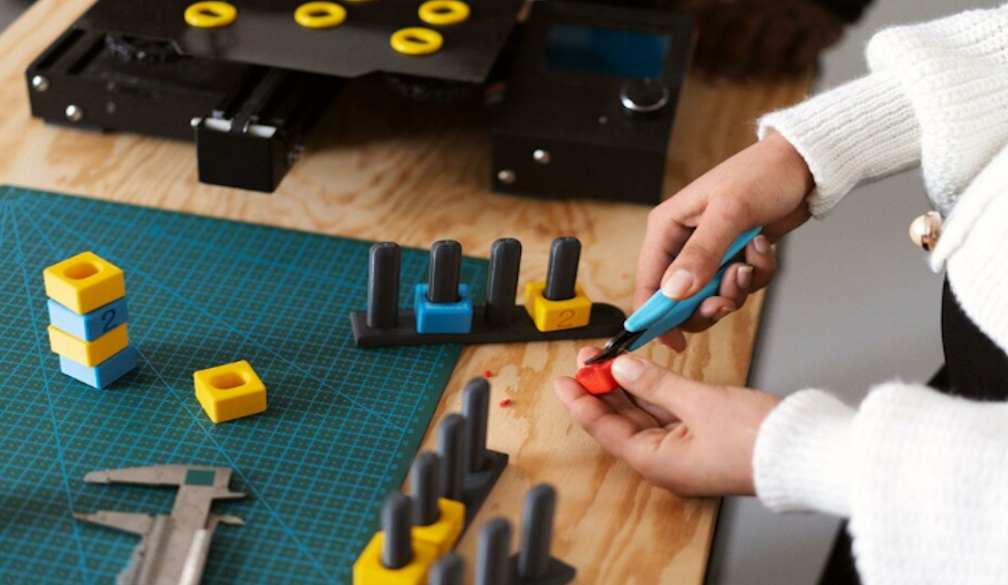
A great product idea is only the beginning of the journey. Before a product reaches full-scale manufacturing, it must go through several important stages that help turn a concept into a reliable, market-ready solution. From design and prototyping to testing and production planning, each step plays a key role in reducing risks and improving quality.
Skipping or rushing these stages can lead to costly mistakes, delays, and performance issues later on. Understanding the path from idea to production helps businesses make smarter decisions and build better products. In this article, we'll explore the key steps that make successful manufacturing possible.
Turning Inspiration into Strategy: Where the Real Work Begins
Excitement is cheap. Sharp thinking costs more, and it's worth every penny. Before a single component gets designed or sourced, you need concrete evidence that a genuine market exists for what you're building.
Validating Your Product Concept in a Competitive Market
Solid market research, competitor benchmarking, and user persona development form the backbone of this stage. Social listening platforms and SaaS-based validation tools surface demand signals that most teams completely miss. The ones who skip this step? They tend to learn expensive lessons later.
Here's something founders often overlook: engaging plastic prototyping services at this early stage can expose physical feasibility issues before serious money changes hands. Working with a specialist this early dramatically reduces the odds of costly surprises surfacing mid-development, which, trust me, is not where you want to discover them.
Defining Product Specifications and Requirements
With genuine demand confirmed and your target audience understood, the next move is converting those insights into a structured roadmap. Lock in your technical requirements. Flag regulatory constraints. Set clear manufacturability benchmarks. This document becomes your anchor through every phase ahead, without it, teams drift.
Once specs are finalized and manufacturability goals are set, you're ready to move from blueprints into something you can actually hold.
From Vision to Reality: The Prototyping Phases That Matter Most
The product prototyping stages are where your idea gets stress-tested against the real world. This phase is absolutely critical, and catastrophically expensive to get wrong.
Choosing the Right Prototyping Approach
Not every prototyping method suits every product. 3D printing, CNC machining, and injection molding each carry different trade-offs around geometry, material needs, and budget. Rapid prototyping shines during early concept testing; high-fidelity prototypes belong closer to final design validation before tooling investment begins.
Iterative Testing: Where Competitive Advantage Gets Built
Picking your method is only half the job. The real edge comes from subjecting your prototype to relentless, structured testing. Usability studies, digital twin simulations, and rapid design iterations collectively surface weaknesses before they become manufacturing nightmares. Skipping this feels like saving time. It isn't.
Compressing Development Timelines Without Sacrificing Precision
Here's a sobering data point: 43% of new product failures trace back to prototype-related mistakes, including cost overruns averaging 40% and timeline delays of eight or more weeks. VR/AR visualization and agile sprint methodologies can meaningfully compress development time when applied strategically. Speed and precision aren't mutually exclusive, but they do require intentional process design.
With a battle-tested prototype in hand, the challenge shifts from design to execution.
Steps to Manufacture a Product: Bridging Prototypes to Production
The steps to manufacture a product connect a validated design to something that can be built reliably at scale. This is precisely where engineering discipline stops being theoretical and starts being financially consequential.
Engineering for Manufacturability and Scalability
Design for manufacturability, DFM, is non-negotiable here. It means standardizing components, eliminating unnecessary complexity, and identifying cost reduction opportunities before tooling investment begins. Products that bypass DFM reviews routinely face expensive mid-production redesigns. The pattern is predictable, yet it keeps happening.
Securing the Right Materials and Manufacturing Partners
Even the most production-ready design stalls without reliable materials and the right manufacturing relationships. Sustainable sourcing, thorough supplier audits, and online procurement platforms all contribute to building a supply chain capable of supporting your first, and subsequent, production runs.
Pilot Runs, QA Systems, and Feedback Loops
With partners secured, the operational focus shifts to production workflow. Pilot runs catch defects early, before they scale into bigger problems. Automated QA systems maintain consistency. Tight feedback loops between production teams and engineers ensure issues get resolved quickly rather than compounding quietly over time.
A disciplined production workflow creates the confidence needed to scale, but compliance requirements must be cleared first.
Bringing a Product to Market: Compliance, Certifications, and Commercial Readiness
Bringing a product to market demands more than excellent design and solid manufacturing. Regulatory readiness frequently determines whether your launch date holds or slips by months you can't afford.
Navigating Certifications and Regulatory Pathways
CE, FDA, ISO, and country-specific certifications each carry distinct timelines and requirements. Starting this process during late-stage prototyping, not after, prevents the kind of last-minute redesigns that derail carefully planned launch schedules.
Scaling from Batch Production to Full Rollout
Once certifications open global market access, intelligent scaling becomes the priority. Forecast modeling, flexible manufacturing systems, and coordinated distribution logistics all need to be in place well before demand peaks hit.
Post-Launch Monitoring and Continuous Improvement
Smart brands don't stop at launch. IoT-based product tracking, customer feedback platforms, and data-driven iteration cycles keep products competitive long after launch-day excitement has faded.
Expert Questions About the Product Development Journey
1. How long does product development typically take?
Most products require 12 to 24 months from concept to launch. Complexity, regulatory requirements, and prototyping cycles all influence timing. Simple consumer goods can move faster; medical or industrial products generally take longer.
2. What advantages do plastic prototyping services offer over traditional methods?
Plastic prototyping services deliver faster turnaround, lower upfront investment, and considerably greater design flexibility. Teams can explore multiple iterations without committing heavily to tooling, which significantly reduces the likelihood of expensive late-stage redesigns.
3. How can small businesses manage manufacturing costs effectively?
Starting with rapid prototyping, leveraging online procurement platforms, and partnering with contract manufacturers for low-volume runs keeps costs manageable. Many innovation hubs also offer subsidized manufacturing access for early-stage companies.
4. What are the most common mistakes during the prototype-to-production transition?
Skipping DFM reviews, underestimating regulatory timelines, and selecting suppliers purely on price consistently rank among the most costly errors teams make during this phase.
5. Which certifications matter most for international market entry?
CE marking governs Europe, FDA clearance applies to regulated U.S. categories, and ISO standards span industries broadly. Research destination-market requirements early, certification timelines vary significantly by region and product type.
Final Thoughts: Respecting the Process That Builds Real Products
The gap between a product idea and full-scale manufacturing is wide. But it's completely crossable, with the right process, the right partners, and disciplined execution at every stage. The product development process rewards those who validate early, prototype thoughtfully, and design for manufacturability from day one. Each phase outlined here exists to reduce risk and genuinely improve your odds of commercial success. Don't rush what deserves patience, your product, and ultimately your customers, will be far better for it.