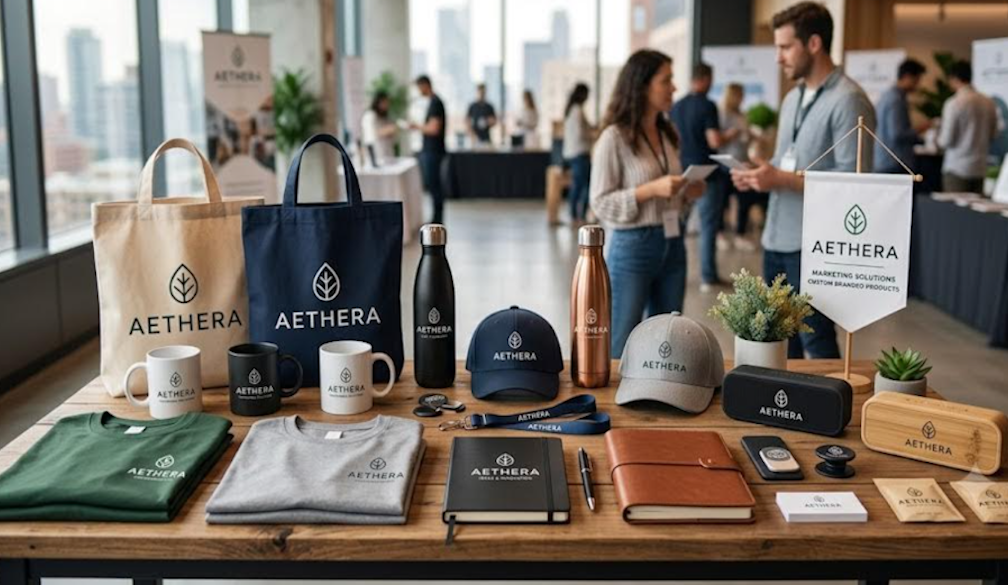
Growing demand for sustainability is driving major changes in how branded merchandise is sourced and produced. Shifting expectations from consumers and organisations are requiring closer attention to the environmental impact of everyday promotional goods. Advances in material science and responsible manufacturing are changing what these products look like and how they perform.
The branded merchandise sector is undergoing transformation as environmental concerns become important for both buyers and suppliers. Promotional products have come under greater scrutiny due to their visibility and their role in representing company values. Today, businesses and consumers expect items to reflect wider commitments to environmental responsibility, social considerations, and ethical sourcing. This shift is influencing procurement policies and purchase decisions across the industry.
Why expectations for sustainability are driving new demands
Greater awareness of environmental issues is encouraging organisations to reconsider branded merchandise options. More businesses seek assurance that their products help reduce waste and resource consumption.
Customers are becoming better at identifying the difference between token efforts and credible action on sustainability. Corporate environmental, social, and governance (ESG) frameworks are influencing which branded products are featured in marketing campaigns and events.
Understanding what makes a material truly sustainable
The term “sustainable materials” includes a variety of features and standards. Recycled content is widely recognised, and items made partly or wholly from recovered plastics, metals, or textiles are now common in the market.
Renewable fibres such as bamboo, organic cotton, and responsibly sourced paper are becoming more popular due to their lower environmental impact. Forestry certifications and environmental labels help verify responsible sourcing, while suppliers are opting for low-impact inks and water-based coatings instead of traditional chemical treatments.
How material shifts are impacting popular product categories
Branded clothing now often features recycled polyester and organic cotton, enabling companies to offer eco-conscious apparel options. Drinkware made from stainless steel and glass bottles gives consumers reusable alternatives to traditional single-use plastics.
Packaging and stationery items more frequently use recycled paper, biodegradable components, and minimal plastic. Bags and tech accessories follow similar material trends. The focus now extends from what goes into the products to how long they last and what happens to them at the end of their use.
Promotional products are commonly selected for durability to maximise value through repeated use instead of quick disposal. This approach may help reduce replacement rates and overall waste generation.
Longevity, supply changes, and the need for credible claims
Items that are designed for durability and repeated use can have a smaller environmental footprint than single-use options. Criteria such as repairability, recyclability, and the possibility to return products for refurbishment are becoming more common in procurement guidelines.
Sourcing sustainable materials is influencing supply chains, as businesses prefer suppliers who can provide transparency, consistent quality, and ethical certification. Using recycled inputs may create challenges related to quality control, and local production can help lower shipping impacts.
Lead times might vary as suppliers adapt to new materials, but traceability and accountability are being prioritised more frequently. As a result, logistical changes are typically managed within broader sustainability objectives.
Costs, pitfalls of greenwashing, and what’s ahead for the industry
Switching to sustainable materials can increase initial costs, particularly for small orders where minimum quantities or specialised sourcing are needed. Larger production runs may help offset these price differences, and continuing developments in technology could lead to further efficiencies.
There is an ongoing risk of greenwashing, leading organisations to require measurable information like percentages of recycled content, relevant certifications, and defined end-of-life solutions. As industry standards develop, innovations in material development, recycling, and circular systems may shape the future of branded merchandise.
These developments can allow businesses and consumers to better align branded products with increased expectations for sustainability. Over time, procurement and design choices are expected to move further towards traceable materials and longer-lasting items.