Fitting Out a Commercial Kitchen in Australia: A Practical Guide for New Operators
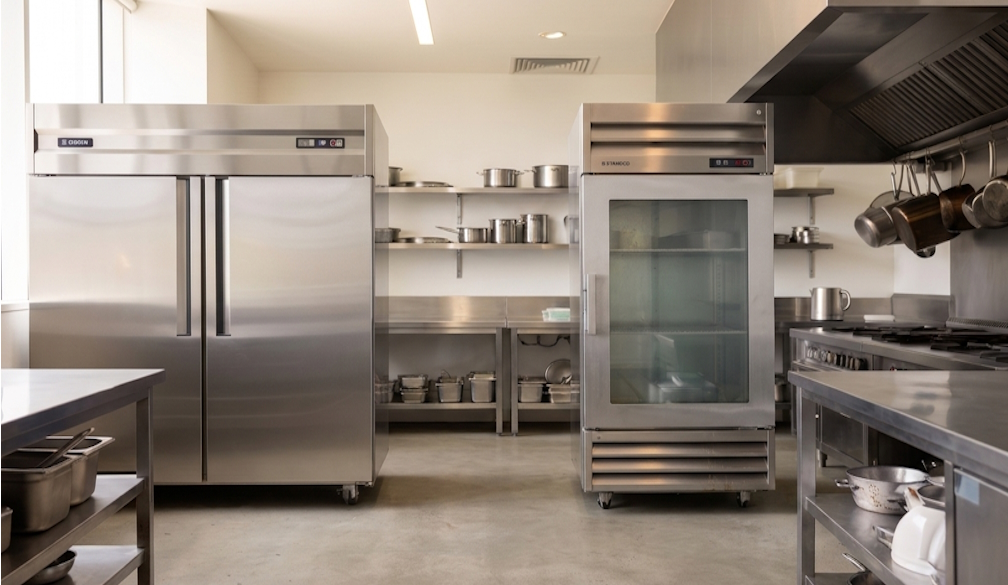
Launching a hospitality venue in Australia takes more than a strong concept and a good location. Behind every café, restaurant and catering operation is a commercial kitchen engineered to cope with volume, meet strict food-safety requirements and keep performing through long, demanding service periods. For first-time operators in particular, planning the equipment strategy carefully from day one can prevent expensive retrofits later.
Design around workflow first. Before choosing a single appliance, map how food will move through the space — from delivery and cold storage, to preparation, cooking, plating and washing. A logical flow reduces wasted steps, keeps staff safe during busy periods and helps a smaller footprint work harder. Only once the workflow is clear does it make sense to select equipment to suit each zone.
Get refrigeration right. Commercial refrigeration is often the largest single investment in a new kitchen, and under-specifying it is a common and costly mistake. Operators need to consider not just capacity but the mix of storage — upright fridges and freezers, undercounter units, display cabinets and cold preparation benches — matched to their menu and turnover. Reliable refrigeration protects stock, supports compliance and keeps running costs predictable.
Build a cooking line to match the menu. The cooking equipment should reflect how the kitchen actually operates. A high-turnover café has very different needs to a function-catering business or a bakery. Ovens, cooktops, fryers and griddles should be sized for peak demand rather than average trade, with enough capacity to absorb a busy weekend without bottlenecks.
Don't overlook stainless steel and washing.
Benches, sinks, shelving and warewashing are easy to treat as an afterthought, yet they underpin hygiene and efficiency. Durable stainless-steel fabrication stands up to heavy commercial use and is straightforward to keep clean, while a properly specified dishwasher keeps service moving.
Plan for compliance and energy. Australian food businesses must meet food-safety and workplace standards, and local councils may have specific requirements around ventilation, waste and hand-washing facilities. Choosing commercial-grade equipment designed for these standards — rather than adapting domestic appliances — avoids problems at inspection and over the life of the fit-out. Energy-efficient equipment also helps manage one of hospitality's steepest ongoing costs.
Buy from a specialist. General retailers rarely carry the range or the technical knowledge that a commercial fit-out demands. Working with a dedicated supplier such as Commercial Kitchen Store gives operators access to a broad catalogue of commercial-grade refrigeration, cooking and stainless-steel equipment in one place, along with the product information needed to compare options confidently.
Ultimately, a well-planned commercial kitchen is an asset, not just an expense. Time spent on workflow, appropriate refrigeration and cooking capacity, and compliant, durable equipment pays back every service — through smoother operations, lower running costs and a venue that is built to grow.