The Hidden Storage Challenges Behind Well-Run Facilities
A well-run facility often looks calm from the outside. The foyers are clear, the maintenance team knows what needs doing, supplies are available when required, and visitors rarely see the amount of coordination happening behind the scenes. But anyone who manages a building, site or multi-location operation knows there’s usually a lot of practical juggling involved, especially when it comes to storing the things that keep everything running.
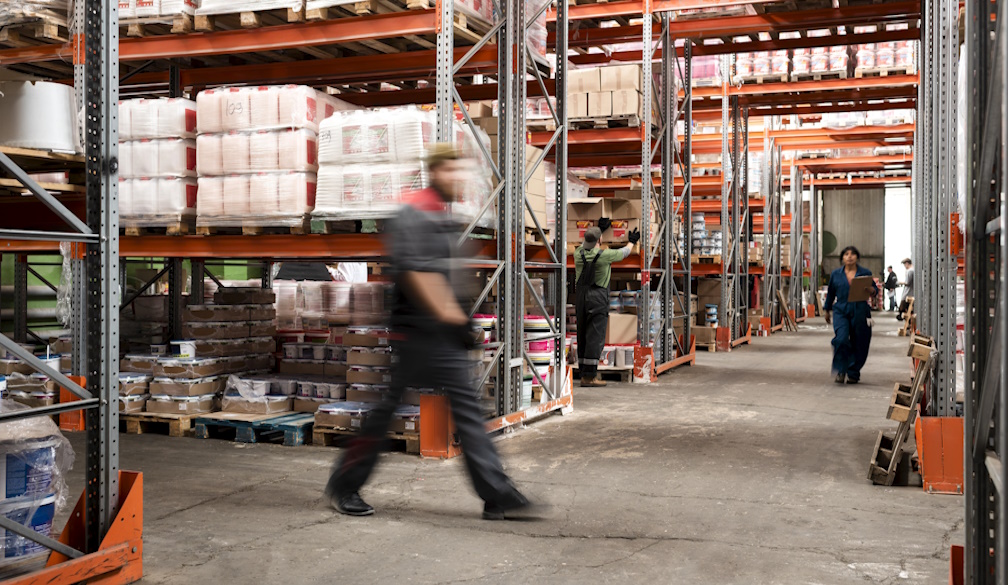
Spare furniture, cleaning supplies, seasonal equipment, signage, tools, safety gear, archived records and maintenance materials all need somewhere to go. When that space isn’t planned properly, even a good operation can start to feel messy. That’s why facilities management storage in Australia can be useful for teams that need a more flexible way to manage equipment and overflow without cluttering the spaces people use every day.
The Best Facilities Teams Think Ahead
Facilities management is partly about solving problems as they appear, but the strongest teams also plan for what’s coming. They know when deep cleaning is scheduled, when seasonal equipment needs to be rotated, when furniture might need to be moved, and when contractors will require access to particular areas.
Storage plays a quiet role in all of that. If equipment is scattered across cupboards, corridors, plant rooms and borrowed office space, simple tasks take longer. Staff waste time looking for items, duplicate purchases happen because nobody can find what already exists, and emergency access areas can become blocked by things that were only meant to be left there temporarily.
A centralised or better-organised storage approach helps facilities teams stay ahead of the work instead of constantly reacting to clutter.
Temporary Needs Can Still Create Long-Term Problems
Not every storage challenge is permanent. A building might be going through a refurbishment, a tenant change, a relocation, a compliance upgrade or a seasonal shift in operations. The issue is that “temporary” items often end up staying far longer than expected.
A few extra desks placed in a spare room can become a six-month inconvenience. Boxes from a recent move can remain stacked in a service area. Event equipment can take over valuable back-of-house space. Over time, these short-term fixes can make the facility harder to manage and less professional.
Flexible storage gives teams somewhere practical to place items while decisions are being made or projects are underway. It keeps working areas clear and reduces the pressure to make the building itself absorb every change.
Clear Space Helps People Work Safely
Clutter isn’t only inconvenient. It can create hazards. Blocked walkways, overloaded cupboards, poorly stacked equipment and items stored near exits or plant rooms can all increase risk. For facilities teams, keeping spaces clear supports safety, compliance and day-to-day efficiency.
It also helps staff do better work. When supplies are organised and accessible, maintenance jobs move faster. When old furniture and unused equipment are removed from active areas, cleaning becomes easier. When storage is planned rather than improvised, the whole site feels more controlled.
Good Storage Is Part of Good Operations
The public-facing parts of a facility may get the most attention, but behind-the-scenes systems are what keep everything functioning. Storage is one of those systems.
When facilities teams have flexible, organised space for the equipment and materials they manage, the building runs more smoothly. It may not be the most visible part of the operation, but it can make a noticeable difference to safety, efficiency and the overall professionalism of the site.