Why Low Fat Diets Are Becoming Essential for Australian Dogs
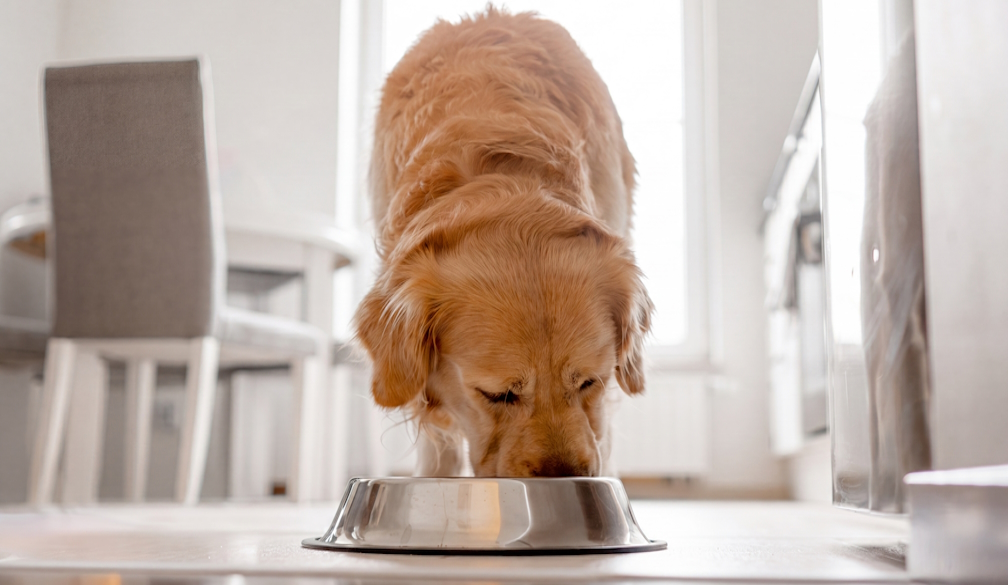
Obesity is now one of the most common health issues facing pet dogs across Australia, with vets reporting a steady rise in weight-related conditions over the past decade. Rich, high-fat commercial diets, combined with less active lifestyles for many suburban dogs, mean that excess weight has quietly become a national problem. The good news is that with the right nutritional approach, it's entirely preventable and often reversible.
Understanding the Risks of Excess Fat in a Dog's Diet
Fat is an essential nutrient — it supports skin and coat health, provides concentrated energy, and helps dogs absorb certain vitamins. But too much fat, especially in dogs that don't burn it off through regular exercise, quickly turns into stored body fat. Over time, this contributes to joint strain, reduced mobility, heart strain, and a higher risk of pancreatitis, a painful and sometimes life-threatening inflammation of the pancreas that vets frequently link back to fatty meals or table scraps.
Breeds that are naturally prone to weight gain — Labradors, Beagles, Pugs, and Dachshunds among them — are particularly vulnerable. So are older dogs, whose metabolisms slow down significantly after the age of seven, and dogs that have been desexed, which can also lower their calorie needs.
Signs Your Dog May Need a Leaner Diet
- Difficulty feeling the ribs beneath a light layer of fat
- No visible waist when viewed from above
- Reluctance to jump, climb stairs, or go on long walks
- Heavy panting after mild activity
- Weight gain despite no change in feeding habits
If any of these sound familiar, it's worth having a chat with your vet about a structured weight management plan, which almost always starts with adjusting fat intake.
What to Look for in a Leaner Formula
Switching to a reduced-fat diet doesn't mean sacrificing flavour or nutrition. A well-formulated low fat dog food should still deliver high-quality lean protein to maintain muscle mass, along with fibre to support digestion and satiety, so your dog feels full without the extra calories. Look for formulas that clearly state their fat percentage on the label — generally under 10% on a dry matter basis is considered a lean option for adult dogs — and avoid products padded out with fillers instead of genuine nutrition.
Making the Transition Smoothly
Sudden diet changes can upset a dog's stomach, so any switch should be gradual, ideally over 7 to 10 days, mixing increasing amounts of the new food with the old. Portion control matters just as much as the formula itself; even the leanest food can lead to weight gain if overfed. Measuring cups, not guesswork, should determine every meal, and treats should be factored into the daily calorie total rather than treated as "extras."
The Long-Term Payoff
Dogs maintained at a healthy weight consistently live longer, more comfortable lives, with studies showing extra years of mobility and reduced veterinary costs down the track. A leaner diet isn't a short-term fix — it's a long-term investment in your dog's quality of life, and for many Australian pet owners, it starts with a simple change at mealtime.