Australia's Housing Shortage Isn't Just About Land and Labour. Equipment Matters Too.
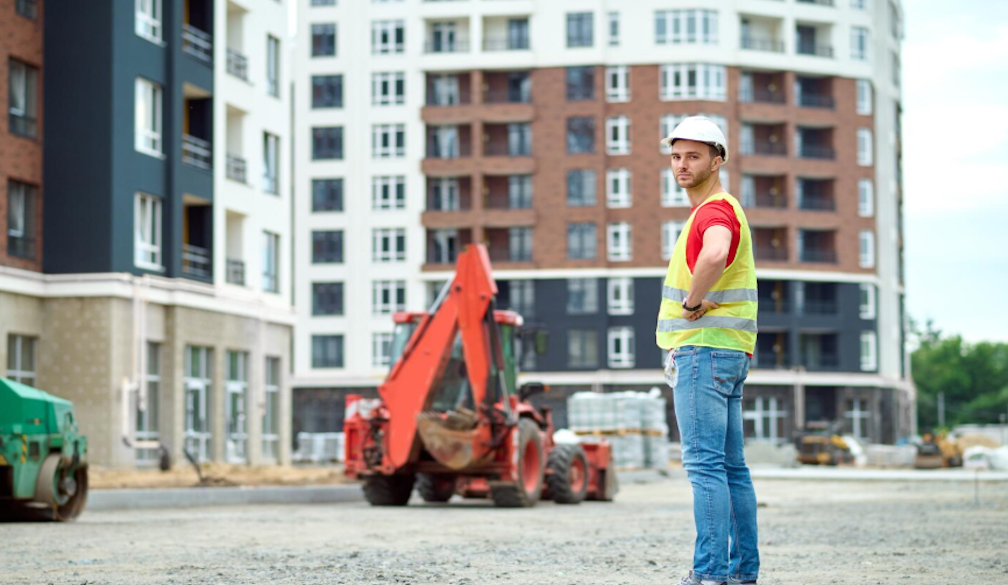
Ask most Australians why the country can't seem to build homes fast enough, and the answer usually lands on one of two things: not enough land released for development, or not enough tradespeople to do the work. Both are real problems. But there's a third factor that rarely makes it into the conversation, even though anyone who has watched a construction site sit idle for weeks knows it matters just as much: whether builders can actually get their hands on the equipment they need, when they need it.
Excavators, cranes, concrete pumps, scaffolding, access equipment. None of it is optional, and none of it is instantly available on demand. Some building companies now use equipment marketplaces such as Quotor to find and book plant faster, rather than relying on personal contacts or a handful of local suppliers, but the underlying problem runs deeper than any single platform can fix on its own.
A boom that's competing with itself
Australia isn't just trying to build more homes right now. Housing, transport, renewable energy, mining and data centres are all expanding simultaneously, drawing from the same limited pool of heavy plant and skilled operators. Residential builders, who are often smaller operators with less buying power than infrastructure contractors or mining companies, are frequently the ones left waiting.
Renewable energy projects need cranes and earthmoving equipment. Rail and road upgrades need the same. Data centres, fuelled by investment in AI and cloud infrastructure, also compete for cranes, concrete pumps and skilled operators. Add residential construction to that list and you have several sectors all bidding for a finite supply of machinery, often in the same states, sometimes in the same regions.
Why a stalled excavator becomes a stalled house
The effect on housing supply is not abstract. A residential build that can't get access to the right equipment on schedule doesn't just sit still for a few days. Delays cascade. A late excavation pushes back the slab, which pushes back the frame, which pushes back every trade that follows. Builders on tight margins absorb these costs where they can, but often they can't, and the cost gets passed on in the final price of the home.
Multiply that across thousands of projects and the effect on national housing supply becomes clear. Every month a project sits waiting for equipment is a month that home isn't available for a family to move into, and it's one more data point behind the "why isn't anything getting built fast enough" headlines that keep appearing in property coverage.
Smaller builders and developers feel this most acutely. A large developer with dozens of projects underway has leverage with plant hire firms and can plan equipment needs well in advance. A smaller builder working on one or two sites at a time often can't, and ends up competing for the same equipment on much shorter notice, at a real disadvantage when demand spikes.
What's starting to change
Some of this is being addressed by better planning. Larger developers and government-backed infrastructure projects increasingly lock in equipment months ahead of need, treating plant availability as a line item in project risk the same way they treat labour or materials.
For smaller builders, the more meaningful shift has been digital. Online equipment marketplaces are making it easier to see what plant is actually available in a region, rather than relying on a shortlist of local hire companies who may already be booked out. That doesn't create new cranes or excavators out of thin air, but it does mean equipment that would otherwise sit idle in one part of a state can be found and booked by a builder in another, closing some of the gap between supply and demand rather than leaving it to chance.
It's a smaller fix than the ones usually discussed for the housing crisis (planning reform, land release, apprenticeship pipelines), but it's one that can be acted on faster than most, because it doesn't require new policy or years of lead time. It simply requires builders and equipment owners finding each other more efficiently than they currently do.
The missing piece in the housing conversation
None of this means equipment access is the main driver of Australia's housing shortage. Land supply and labour shortages remain the bigger structural issues, and no amount of better plant logistics will fix a broken planning approval system on its own. But treating equipment availability as a footnote rather than a genuine constraint means underestimating one of the more fixable parts of the problem.
If Australia wants to build homes faster, it needs land released, more tradespeople trained, and, just as importantly, the equipment those tradespeople rely on being available when the job calls for it.