
The duck-shaped rubber valve hiding in coffee machines, cars and hospital drips
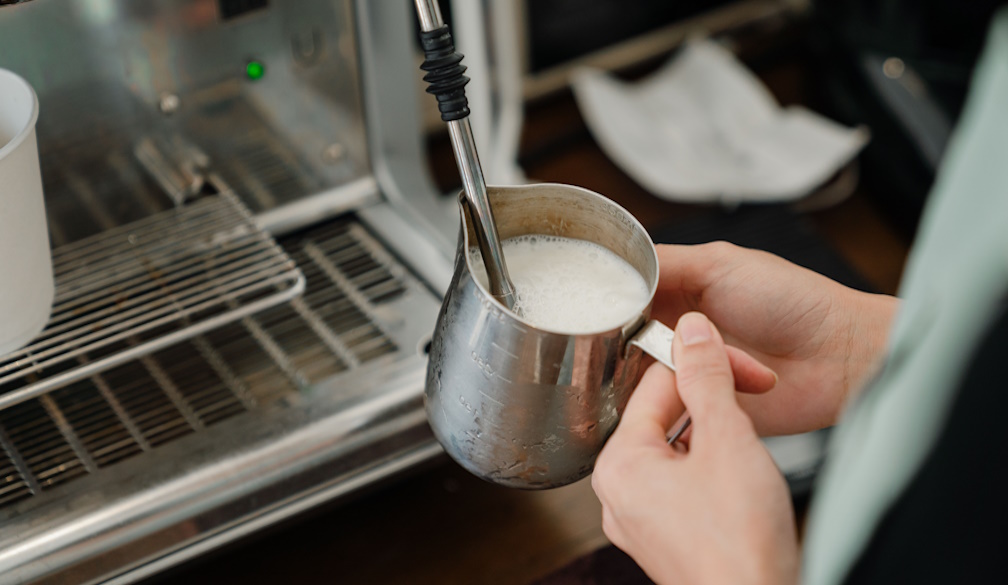
Somewhere inside a home coffee machine with a milk frother, there may well be a small rubber part with a slit at one end. Its job is to let air or liquid through in one direction and to stop it when it tries to come back.
Engineers call it a duckbill valve, because the two flattened lips at its outlet look like the beak of a duck. The same shape turns up in car windscreen washers, soap dispensers and hospital drips, and it does its work without a single spring or hinge.
Pressure opens it, and pressure closes it
A duckbill valve is usually moulded as one piece of elastomer, the family of rubbery materials that stretch and then recover their shape. It looks like a short sleeve that narrows into two lips, which meet along a thin cut. When liquid or air pushes from the wide end, the pressure forces the lips apart and the flow passes straight through.
When the push stops, the rubber relaxes back towards its closed position. If the flow then tries to reverse, the pressure arriving from the outlet side squeezes the lips together, so the harder the backflow pushes, the tighter the seal becomes. In other words, the valve borrows the very force it is meant to block.
The rubber matters as much as the shape
A valve that behaves perfectly in a coffee machine can fail in a car or a hospital, because every liquid treats rubber in its own way. A compound that stays soft and springy in water may swell or stiffen in fuel, oil or cleaning chemicals, and heat, ozone or repeated sterilisation add further strain.
Product designers rarely solve this from a blank page. They tend to start from the standard ranges of specialist manufacturers, where the same valve is often available in several elastomers, and narrow the field from there. Vernay, an American maker of flow control components founded in 1946 and based in Griffin, Georgia, is a case in point, since its catalogue of duckbill check valves lists each part number with its material, from silicone and fluorosilicone to EPDM and fluorocarbon.
From the kitchen bench to the car and the hospital ward
Coffee machines are a good place to start the tour. Duckbill valves help prime the pump at start-up, so the water circuit is full and ready, and they suit the small vibration pumps found in many home machines, where the valve has to open and close over and over. In milk frothers they let air mix with the milk while stopping the milk from running back the wrong way.
Cars use them in windscreen and headlight washers, and in the systems that spray cleaning fluid onto the cameras and sensors behind driver assistance features, where the valve stops the circuit from emptying between uses. Conventional engines have long used them for jobs such as fuel lines, crankcase ventilation and draining water from the air filter box.
Hospitals are where the shape earns its keep most quietly. Duckbill valves appear in drips, feeding tubes and breathing equipment, where a low resistance to airflow helps the device respond efficiently to each breath. Many of these parts are used once and thrown away, so they have to be moulded by the million and still behave in exactly the same way every time.
Why stopping the flow matters so much
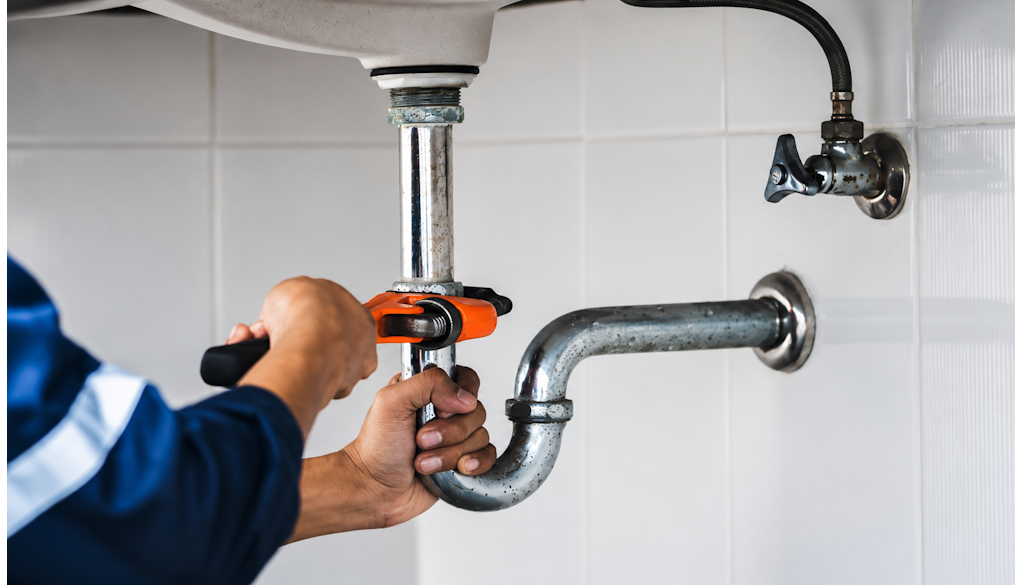
How much depends on that one-way seal varies enormously. A soap pump that lets liquid slip back is a nuisance at worst, whereas water flowing backwards into a drinking supply can carry contamination into pipes that a whole street relies on.
Water authorities take that second risk seriously enough to write it into their rules. Sydney Water's backflow prevention requirements for plumbers state that every connection to its water mains must have suitable backflow containment, with a device matched to the hazard rating of the property and, once installed, tested by a backflow-accredited plumber.
Those plumbing devices are bigger, sturdier assemblies, and many of them have to be checked again every year. The principle behind them is still the one at work in the frother on the kitchen bench, where the liquid is allowed to go forward and is shut out the moment it tries to come back.
Frequently Asked Questions (FAQ)
Why is a duckbill valve called a duckbill valve?
The name comes from its outlet, where two flattened rubber lips meet in a slit and look like a duck's beak seen from the side. The full name, duckbill check valve, adds the engineering term for any valve that lets flow pass in one direction only.
Can a duckbill valve leak backwards?
It can, a little. Standard designs are not pressed shut at rest, so a very weak back pressure may let a small amount through before the lips seal fully, and engineers specify how much reverse leakage is acceptable. Versions fitted with a built-in squeeze, known as preload, close more firmly at low back pressure but need a stronger push to open and let less through, while the wrong material or a poorly fitted housing can also cause leaks.
What material are duckbill valves made of?
They are made of elastomers, rubbery materials that flex and recover. Common choices include silicone, EPDM, fluorosilicone, fluorocarbon rubber (FKM) and polyisoprene, and the right one depends on the liquid or gas involved, the operating temperature and whether the part has to be sterilised.