

Medical Device Labeling Requirements in Mexico: What Manufacturers Need to Know
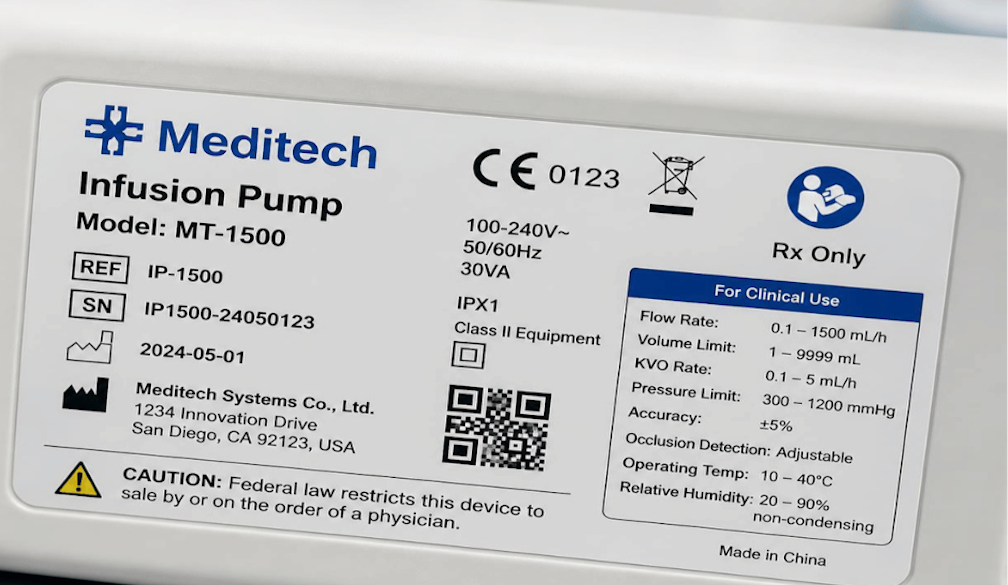
Medical device labeling plays a critical role in ensuring that products are used safely and effectively. For manufacturers seeking access to the Mexican market, compliance with local labeling regulations is an essential part of the regulatory approval process.
Mexico has updated its medical device labeling framework through NOM-137-SSA1-2025, introducing a more modern and risk-based approach that aligns more closely with international regulatory practices. Understanding these requirements can help manufacturers avoid delays, reduce compliance risks, and facilitate market access.
The Evolution of Medical Device Labeling in Mexico
The updated regulatory framework reflects the growing importance of product traceability, safety communication, and lifecycle management. Compared with previous requirements, the current approach places greater emphasis on risk management and the quality of information provided to healthcare professionals and patients.
The regulation covers various forms of labeling information, including:
- Product labels
- Instructions for Use (IFU)
- User manuals
- Packaging information
- Electronic labeling formats
The objective is to ensure that users receive clear, accurate, and accessible information throughout a product's lifecycle.
Key Changes Introduced by NOM-137-SSA1-2025
Risk-Based Labeling
Manufacturers are expected to incorporate relevant safety information into device labeling. This includes elements such as:
- Intended use
- Warnings and precautions
- Contraindications
- Residual risks
- Essential performance information
The purpose is to support informed decision-making and promote safe use of medical devices.
Enhanced Traceability Requirements
The updated framework strengthens traceability by requiring information that facilitates product identification and monitoring throughout distribution and use.
Improved traceability contributes to more efficient post-market surveillance activities and supports incident reporting processes.
Shared Responsibility
The regulation recognizes that the manufacturer and the registration holder may be different entities. Both parties are responsible for ensuring that labeling information complies with regulatory requirements and accurately reflects approved product information.
Recognition of Electronic Labeling
Digital technologies now play a larger role in regulatory compliance. Electronic labeling methods may include:
- QR codes
- RFID technologies
- Digital Instructions for Use (eIFU)
- Online information platforms
These tools can complement traditional labeling while improving accessibility to up-to-date information.
Expanded Product Coverage
The regulation also includes specific considerations for:
- Software as a Medical Device (SaMD)
- In Vitro Diagnostic Devices (IVDs)
- Device kits
- Combination products
- Certain biological device categories
Understanding Counter-Labels
A common compliance strategy for imported medical devices is the use of a counter-label, sometimes called an over-label or secondary label.
This approach allows manufacturers to maintain existing global packaging while adding information required under Mexican regulations.
Purpose of a Counter-Label
A counter-label can supplement missing regulatory information without requiring complete redesign of original packaging.
To remain compliant, the additional information must be consistent with approved documentation and must not obscure critical details appearing on the original label.
Information Commonly Included in Counter-Labels
Depending on the product and available packaging information, a counter-label may include:
- Trade name
- Generic product name
- Model or catalog number
- Registration identification number
- Country of manufacture
- Manufacturer information
- Importer and distributor information
- Lot or batch number
- Serial number
- Expiration date when applicable
- Storage conditions
- Sterilization method when applicable
- Single-use designation when applicable
- Description of non-standard symbols
- Manufacturing date
- Intended use
- Warnings and precautions
- Instructions for reporting incidents
- Reference to Instructions for Use
Manufacturers should ensure that all information remains consistent across labeling, technical documentation, and regulatory registrations.
Preparing for Compliance
Successful compliance requires more than translating labels. Manufacturers should evaluate their products against the full set of regulatory requirements and verify that all documentation is aligned.
A comprehensive review should assess:
- Product labeling
- Technical documentation
- Risk management records
- Instructions for Use
- Packaging configurations
- Traceability information
Early preparation can reduce regulatory risks and facilitate smoother market entry.
Benefits of a Structured Labeling Strategy
Developing a robust labeling strategy can provide several advantages:
- Reduced compliance risk
- Improved product traceability
- Greater consistency across markets
- Enhanced user safety
- More efficient regulatory submissions
As global regulatory systems continue moving toward harmonization, maintaining well-structured labeling processes can help manufacturers adapt to changing requirements more effectively.
Conclusion
Medical device labeling in Mexico has evolved toward a more comprehensive, risk-based model focused on safety, traceability, and transparency. Manufacturers entering the Mexican market should carefully review their labeling practices to ensure that all required information is accurately presented and aligned with regulatory expectations.
A proactive compliance strategy can help organizations minimize delays, maintain regulatory conformity, and support successful commercialization of medical devices in Mexico. Staying informed about evolving regulatory requirements is essential, and additional insights on this topic are available from Veraque Consulting.