
What Is Really Living in Your Car Seats
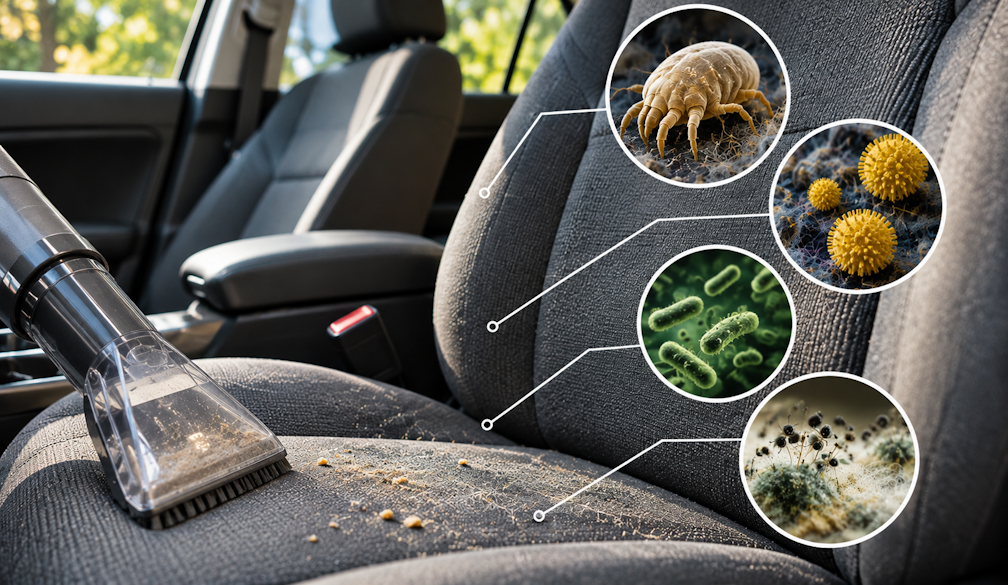
Car seats are the quiet archaeologists of family life. Slide a hand down the gap beside the seat and you may recover a coin, a hair clip, half a biscuit of uncertain age, and a small plastic dinosaur that has been missing since the last school holidays. The seats keep everything. They simply do not say so.
Most of us only notice when something goes wrong, such as a spilled drink, a stubborn smell or a stain that appeared overnight. That is usually the moment people search for a car seat cleaning service singapore and discover that the options sound alike but are not. Here is a short guide to what is going on under your seat covers, and how to choose with a clear head.
Know What Your Seats Are Made Of
The first thing to find out is the material. Fabric, leather and suede-like microfibre all need different treatment. A product that suits one can quietly damage another.
Leather, for example, has a protective finish, and household or all-purpose cleaners can strip it and leave it prone to cracking. The suede-like microfibre found in some cars reacts badly to leather products. If you are unsure what you have, check the car's manual or ask whoever inspects it.
Cleaning, Repair or Replacement
These three words get mixed up, and they describe three different jobs. Cleaning deals with dirt, stains and smells. Repair deals with damage such as tears and cracks. Reupholstery is for seats that are worn throughout and are past the point where cleaning will help.
A service that cleans a torn seat is a little like washing a broken plate. Work out which of the three you need, and ask for an honest opinion. A good provider will tell you if cleaning is not the right answer.
Why Spills Go Deeper Than They Look
Liquid does not stay on the surface of a fabric seat. It travels downward into the foam padding underneath, and taking dirt and odour with it. That is why a stain that looks gone can return, and why a smell can outlast the visible mark.
So the best moment to act is right away. Blot a spill with a clean cloth, pressing lightly, and avoid rubbing it deeper. For anything older or larger, a deeper method that reaches the padding may be needed.
Questions Worth Asking
A short list will help you compare services fairly.
- What is the material of my seats, and how will you treat it?
- Do you assess the car before agreeing a method and a price?
- Is the cleaning done per seat, or as part of a wider interior package?
- How long will the car be away, and how long will the seats take to dry?
- What happens if a stain or smell comes back?
- Can you tell me honestly if repair or reupholstery would suit better?
Smells Deserve Detective Work
A bad smell has a cause. Finding the source is more useful than masking it. Some methods are designed to break down odours at the source, but none can work well if the source, say a spill that soaked into padding, is not dealt with first.
Be wary of any provider that offers large claims about sanitising or sterilising without explaining the method. Ask what is done and why.
Keeping Seats in Good Shape
Small habits help. Wipe spills promptly. Vacuum the seams where crumbs collect. Keep drinks with lids in the car, and give leather an occasional gentle clean with a suitable product. None of this is glamorous, but it spares you the next archaeology expedition.
And if you do go digging, spare a thought for the dinosaur. It has had a long journey.