Types of EV Chargers
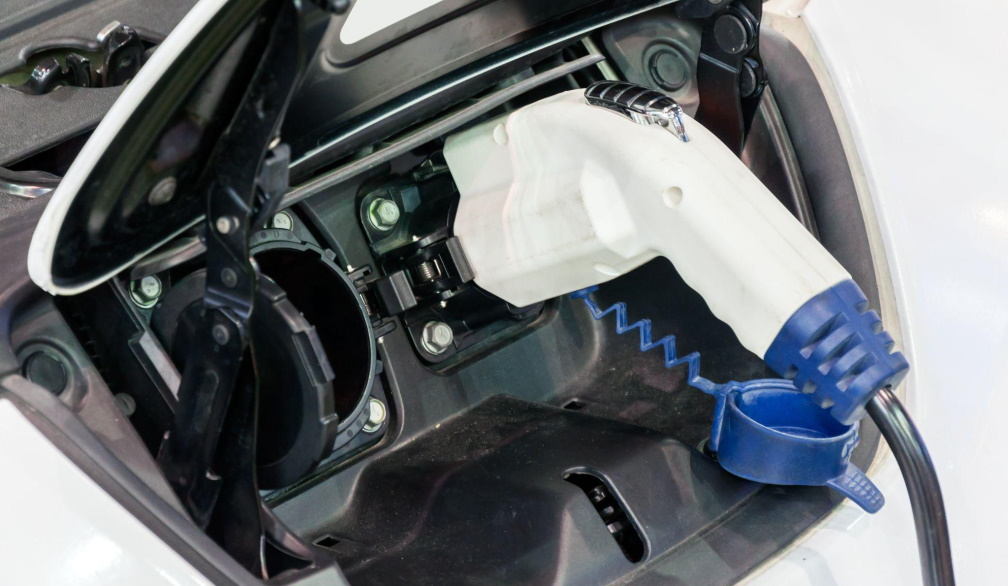
The world of electric vehicles is a confusing one, filled with abbreviations and acronyms that even the most seasoned EV drivers can't keep straight. It's also a rapidly changing landscape where cutting-edge technology is being developed at an incredible pace.
The battery charging systems for electric vehicles are no exception to this trend. There are many different types of charging systems out there, each with its own advantages, disadvantages, and applications.
So, in this brief article, we will go over everything you need to know about EV chargers, including the different types and levels available so that you can choose an electric vehicle that has the type of charger you desire.
Charging Types vs Charging Levels
Many people may not realize that there is a difference between EV charging types and EV charging levels. However, these two things are not the same, and if you are going to spend the money on a new electric vehicle, then it's important that you understand the difference between the two.
The EV charging type determines the type of electric vehicle that can use the charger and what kind of outlet it uses. Whereas the EV charging level determines how much power the charger can provide to your electric vehicle.
Charging Levels
The EV charging level refers to how fast your car can charge while plugged into an outlet or other source of electricity. There are three main levels of electric vehicle charging based on this concept: Level 1 (Portable EVSE), Level 2 (Wall Chargers), and Level 3 (or DC Fast Chargers).
-
Level 1 - Portable EVSE
Portable EVSEs are portable plug-in chargers that can be used at a variety of locations. These are often used by people who do not have the time or money to install a permanent home charger. They have a lower power rating than other types of charging stations because they need to be mobile, but they can still charge your car quickly while you're on the go.
-
Level 2 - Wall Chargers
Wall chargers are installed in your home and connected directly to your electrical system. They provide faster charging than portable EVSEs because they draw more amperage from the grid, but some models also allow you to charge outside of your home.
-
Level 3 - DC Fast Chargers
DC fast chargers are typically purchased by businesses or government agencies because of their high cost. These chargers use direct current instead of alternating current, which allows EVs to charge up to 200 miles per hour from completely empty batteries within about 30 minutes!
Charging Types
The EV charging type refers to the source of power connected to your electric vehicle. There are a few different EV charging types that you should be aware of. Namely, type 1, type 2, and DC fast chargers.
-
Type 1 - AC Level 1
This is the slowest and most common type of electric vehicle charger. It's compatible with any standard 120-volt wall outlet, but it's usually not powerful enough to charge an electric car in one sitting. Instead, it's designed for overnight charging or for boosting the range of an electric car when you're out driving around town and need just a little extra juice.
-
Type 2 - AC Level 2
These chargers are similar to AC Level 1 chargers, except they run at 240 volts instead of 120 volts. They're also more powerful than AC Level 1 chargers, so they can charge an electric car much faster than an AC Level 1 charger can, in some cases, within as little as 30 minutes!
-
Type 3 - DC Fast Charging
These chargers are typically located at public charging stations and allow you to charge your car extremely quickly, sometimes within just 15 minutes! The downside is that they're not compatible with all cars, so make sure you do your homework before using this kind of charger; otherwise, you could damage your vehicle.
Conclusion
The lingo involved with electric vehicles can sometimes be confusing. Especially when it comes to charge levels and charge types. However, just remember the charge type is the type of plug you use when charging the vehicle, and the charge level is how fast the charger can recharge the car.
Also, keep in mind that once you do purchase an electric vehicle, you can call a qualified electrician to help install your EV charging station. Happy motoring!