How Do Pool Heat Pumps Work?
- Written by: NewsServices.com
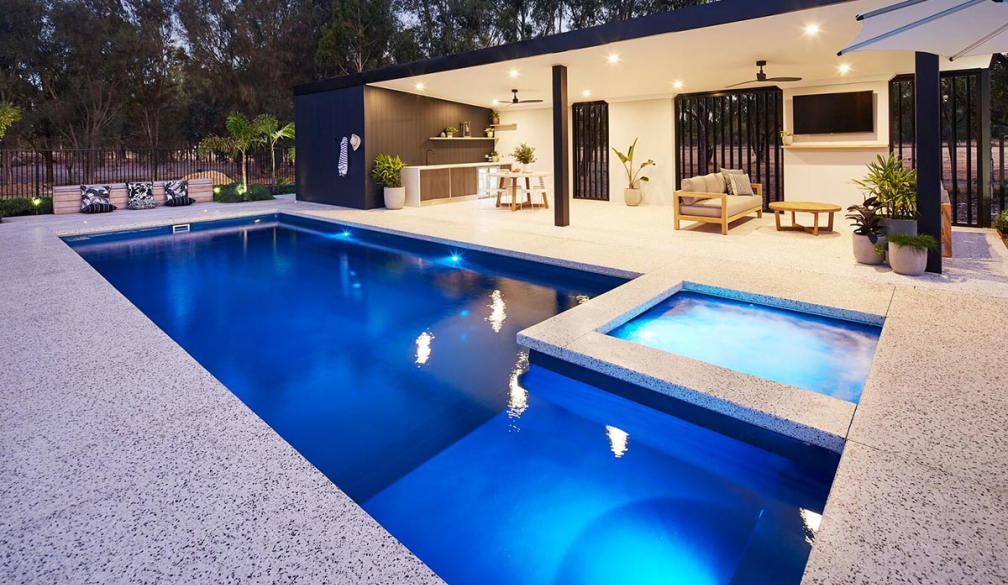
If you are considering heating for your swimming pool, you've likely come across one of the options, heat pumps, while doing your research. Not all pool heating solutions are equal, so that's why it's important to have an understanding of how they work to ensure you are making the best choice for your specific swimming needs.
Why consider heating for your pool?
When the weather cools off or the sun goes down, you may find that your pool is too cold to swim in. Heating can raise the temperature and make swimming more enjoyable. This enables you to use your swimming pool more than you would if you were to have no heating at all.
How heat pumps work
Essentially, heat pumps work by drawing warm air from outside into the system to heat the pool. Let's dive into this a little deeper:
There are fans on the heat pump, and they draw in warm air from outside. Understandably a major concern for people considering this type of pool heating is that they won't work when the temperature is cold, and this is when you are most likely going to want to use your pool heating. The great thing about electric heat pumps is that it doesn't have to be a warm day for them to source heat from the air, they work even in the middle of winter.
Evaporator coils located inside the heat pump absorb the heat from the air as it passes through them. Inside the evaporator coils is a liquid refrigerant that transforms into gas once heated. This gas passes through a compressor which elevates the temperature further.
So, how does the pool water get heated by the heat pump?
Cold pool water is drawn into a tank in the system. In this tank is a condenser coil. Hot air runs through the condenser and transfers this heat into the water contained in the tank. This now heated pool water is directed back to the pool, and the process continues.
What are the benefits of choosing a heat pump over other types of pool heating?
There are several benefits to choosing an electric heat pump, and they are as follows:
More affordable
When compared to other types of pool heaters such as gas, heat pumps are far more affordable to run. This can save you a significant amount of money on heating your pool.
Eco-friendly
Heat pumps use less energy to heat your pool than gas and this makes it a more environmentally friendly option.
They are dependable
Solar pool heating is a popular heating solution however, it solely relies on the sun to work. It is not always sunny, so you cannot heat your pool on demand like you can with a heat pump. Heat pumps can warm the pool even when the weather is cooler, and there is no sun around.
Long lifespan
Heat pumps are one of the longer-lasting heating solutions on the market and you can expect the system to last for more than 15 years before it will need replacing.
Disadvantages to choosing an electric heat pump
They can be expensive to run
The biggest downfall to heat pumps would have to be their running costs. Most people do not get heating to have to worry about how much it costs, so if you are looking for a budget-friendly heating solution, a heat pump may not be the best choice.
May not heat in extreme cold
If you live in a very cold climate, the amount of heat in the air will be limited and your electric heat pump may struggle to achieve the heating results you were hoping for.
What type of heat pump will I need for my pool?
Typically, the bigger your pool is, the more KW your pool heat pump will need to have. You should consider how long it takes to heat your pool, if you want to be able to heat it quickly, you should go for a higher KW heat pump. The pool builder in Melbourne would be more than happy to discuss your heating options with you if it is something you are considering.
How much do pool heat pumps cost to purchase?
The price can vary depending on the type of heat pump you get, how many KW it is and who you have to install it. On average, you can expect to pay anywhere from $2,800 to $10,000 for an electric heat pump for your pool.
How much does it cost to run a pool heat pump?
The cost can differ depending on how often you use your heat pump, the KW it is and whether you have solar panels or not. Without solar, your monthly costs could be $200 plus.
How to make the most of heating your swimming pool
Pool covers are one of the most underrated swimming pool accessories and if you are going to purchase a heat pump for your pool, you can retain more heat and lower your energy bills by placing a cover over it when it is not in use. When the pool water is warmed, this heat will continuously escape meaning you'll have to run your system for longer to maintain the temperature or to heat it up again. Placing a cover over your pool can trap the heat inside the pool, and because the pool water temperature doesn't have a chance to plummet, you won't need to run your heat pump for as long to heat it up again.
Is an electric heat pump the right choice for you?
We hope this post has given you the information you need to decide whether a heat pump is a suitable heating option for you or not. They are dependable and can produce fantastic heating results however, they are on the pricier side to run, especially if you don't have solar installed to reduce your heating expenses. If you are looking for a new swimming pool, chat with the friendly team at Melbourne Fibreglass Pool Company. We fit and install luxury fibreglass pools, and they are very compatible with all types of heating as they insulate and retain heat in the swimming pool for longer. For more information, get in touch.