Tiimely Home - House Price Affordability
In today’s Australian economic climate, purchasing a property is more challenging than ever. According to the latest ANZ/CoreLogic housing affordability report, the national dwelling value-to-rent ratio reached a record high in the September quarter.
When we think about the areas that are near impossible to buy in, a few key suburbs come to mind such as those in Sydney’s eastern suburbs, and up-and-coming South-East Queensland suburbs that have experienced rapid population growth.
But how does median income affect the ease of purchasing a property in a particular suburb? And where are the most affordable places to buy in Australia?
A new study by Tiimely Home has revealed the most affordable suburbs to get onto the property ladder based on income, with the Western Australian town of Inglewood named as the easiest place to save for a house deposit.
The digital lender analyses over 500 suburbs across major Australian cities and towns, comparing the median house price, median weekly household income and stamp duty fees. Using the popular 50/30/20 budgeting rule, they uncovered the suburbs where it takes the least time to save for a 20 per cent deposit on a home and stamp duty.
Inglewood residents, for example, could save for a home deposit and stamp duty after an average of 2.9 years. This is followed by Wagin, also in Western Australia and Coonamble in New South Wales where saving time extends to around 3.8 and 4.1 years, respectively.

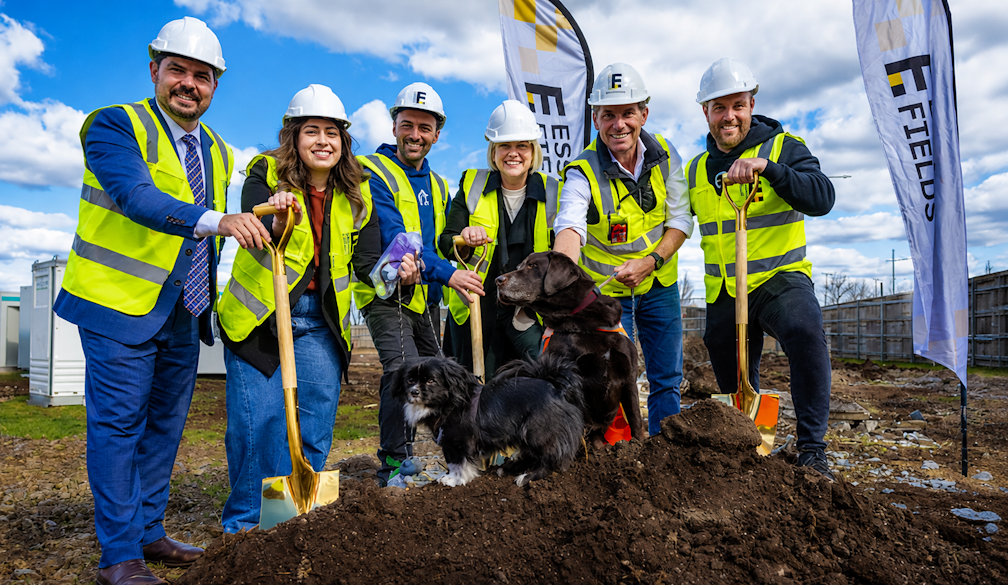
(Veronica Foreman, Tiimely Home’s Lead Broker)
Veronica Foreman, Tiimely Home’s Lead Broker, highlights the long-term commitment to saving for a home and shares to expedite the journey to homeownership.
“House prices tend to reflect local income levels, as wages and economic opportunities shape borrowing capacity,” Foreman explains. “For example, in Inglewood, the most affordable suburb for purchasing a house, it still requires nearly 3 years of savings to secure a deposit. In areas like Vaucluse and Bellevue Hill, even with higher incomes, it could take up to 67 years to save for a house deposit and stamp duty if dedicating 20 per cent of income each week - not very realistic for most of us!”
“The current market is particularly challenging, especially for first-home buyers, with the Reserve Bank of Australia recently deciding to hold interest rates steady, impacting affordability further,” she adds.
“That’s why people must do their research to secure the most competitive rates. At Tiimely Home, we have a range of flexible loan products suitable for first-time homebuyers, investors and those looking to refinance.”
“Some of the most affordable areas are in rural locations, which may fall outside normal lending policies. However, at Tiimely Home, our in-house broker team specialise in navigating these exceptions, ensuring you have access to the support you need,” Foreman said.
The Top Ten Most Affordable Areas to Buy a House, Based on Income
To view the full dataset, click on this link.
Inglewood, Western Australia
The most affordable place to buy a house in Australia based on income is Inglewood. This suburb is five kilometres northeast of Perth’s CBD making housing more expensive, but relatively cost-effective compared with other inner-city suburbs, at an average of $300,000. Median weekly income sits at $2,031, meaning it would take approximately 152 weeks to save for a house deposit and stamp duty.
Wagin, Western Australia
The rural town of Wagin, in the Wheatbelt region of Western Australia, is known for its agricultural heritage and a slower-paced, community-oriented lifestyle. With a low stamp duty fee of approximately $2,160 and a low median house price of $210,000, the cheapest on the list, it would take around 198 weeks, or 3.8 years, to save for a 20 per cent house deposit and stamp duty.
Coonamble, New South Wales
Coonamble, Dubbo, is the only place in New South Wales to feature in the top ten most affordable locations to buy a house nationwide. Due to the town’s economic reliance on agriculture and lower median income, borrowing power may be impacted, explaining why median house prices are lower. Due to its slightly higher median house prices and more expensive stamp duty fees than Inglewood and Wagin, it would take residents approximately 215 weeks to get onto the property ladder.
Zeehan, Tasmania
On Tasmania’s west coast is the small rural town of Zeehan where it would take residents approximately 231 weeks to save for a deposit and stamp duty, based on income. Despite having the lowest weekly median household income of $951, Tasmania has some of the lowest stamp duty fees in the country, meaning it would take approximately 231 weeks to save for a house deposit and stamp duty.
Whyalla Jenkins, South Australia
The first South Australian feature is Whyalla Jenkins, the first location where house prices reach $500,000. The median house prices to median incomes ratio suggests strong housing affordability, taking residents approximately 260 weeks, or five years, to save for a house deposit and stamp duty.
Mil-Lel, South Australia
In Mil-Lel, a northern suburb of Mount Gambier in South Australia, it would take residents roughly 277 weeks or 5.3 years, to save for a house deposit and stamp duty. Despite the median house price being $100,000 more than Whyalla Jenkins, the median weekly household income is also higher. However, the stamp duty fees are also higher meaning it would take residents here approximately 17 more weeks to get onto the property ladder compared with Whyalla Jenkins.
Crompton, South Australia
Crompton, South Australia, has a median house price of $600,000, significantly lower than in many other parts of the state. With a slightly lower median weekly household income than Mil-Lel, it would take residents approximately 277 weeks to save for a house deposit and stamp duty.
Gunn, Northern Territory
The most affordable suburb in the Northern Territory is Gunn. A suburb in Palmerston, Gunn has a relatively affordable housing market with a median house price of $700,000. With a weekly median household income of $2,485, it would take residents approximately 290 weeks, or 5.6 years, to save for a house deposit and stamp duty.
Durack, Northern Territory
Durack in a neighbouring Palmerston suburb, takes approximately two weeks longer than Gunn to save for a house deposit and stamp duty, thanks to its slightly lower weekly median household income.
Rosebery, Northern Territory
The Palmerston suburb of Rosebery also has an average median house price of $700,000. Combining this with an average weekly median income of $2,397, and $21,000 in stamp duty fees, it would take residents approximately 301 weeks to break into the housing market.