Does the Sydney property market still offer rewarding investment opportunities
- Written by: TheTimesRealEstate.com
Investing in Sydney’s property market has historically offered rewarding returns, characterized by consistent capital growth and strong rental demand. Since the 1980s, Sydney’s average capital growth has been approximately 7.4% per year, indicating that property values have doubled every decade.
However, recent forecasts suggest a potential slowdown. Analysts predict that in 2025, Sydney may experience price declines due to rising supply and affordability constraints.
Despite these projections, Sydney’s robust economy and status as a global city continue to attract investors. The city’s diverse property market offers opportunities for both capital growth and rental income. For instance, inner suburbs like Surry Hills and Darlinghurst are in high demand, offering strong rental returns due to their proximity to amenities and vibrant lifestyle.
It’s important to note that the Australian property market is influenced by various factors, including economic conditions, government policies, and demographic trends. Tax concessions, such as capital gains discounts and negative gearing, have been identified as factors distorting the housing market, potentially disadvantaging renters and first-home buyers.
In summary, while Sydney’s property market has a history of delivering rewarding investment returns, current forecasts and market dynamics suggest a more cautious approach may be prudent. Prospective investors should conduct thorough research, consider market trends, and seek professional advice to make informed decisions.
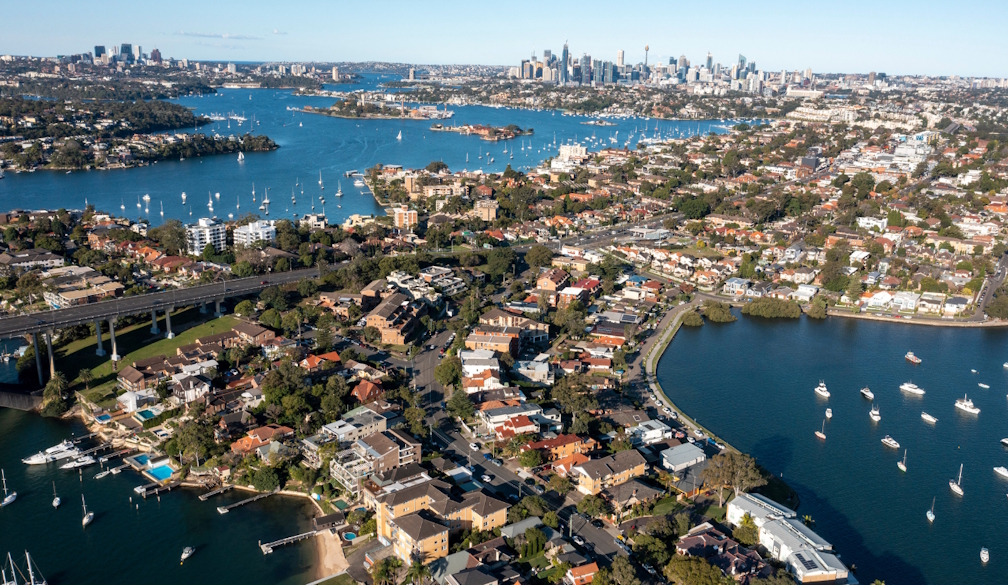
The Sydney property market is often regarded as a reliable investment option due to several factors that contribute to its steady returns. Here’s why:
1. High Demand and Limited Supply
• Population Growth: Sydney is Australia’s largest city and a major economic hub, attracting both local and international migrants. The high demand for housing, combined with limited land for development, keeps property prices stable or rising.
• Infrastructure Development: Ongoing investments in transportation, healthcare, and education infrastructure make Sydney a desirable place to live, driving consistent demand.
2. Economic Stability
• Strong Economy: Sydney benefits from a diverse economy, with industries such as finance, technology, education, and tourism providing stable employment opportunities.
• Global City: Its position as a global city and a financial hub in the Asia-Pacific region ensures continued interest from international investors.
3. Historically Strong Capital Growth
• Sydney has a track record of long-term capital appreciation. While short-term fluctuations occur, the overall trend has shown consistent value increases over decades.
4. Rental Market
• High Rental Demand: Sydney’s population includes students, professionals, and expats, creating a strong rental market. High demand for rental properties often leads to attractive rental yields for investors.
• Low Vacancy Rates: Due to its desirability, Sydney maintains low vacancy rates, ensuring steady income for property owners.
5. Government Stability and Regulation
• Australia’s stable political environment and strong property laws provide confidence to both local and international investors.
• Tax incentives, such as negative gearing and capital gains tax exemptions for owner-occupied properties, make investing in Sydney appealing.
6. Resilience to Economic Shocks
• Sydney’s property market has historically shown resilience to global economic downturns. Even during challenging periods, such as the COVID-19 pandemic, the market rebounded quickly due to strong underlying demand.
7. Lifestyle Appeal
• Sydney offers a high quality of life, with beautiful beaches, a vibrant cultural scene, and excellent amenities. This lifestyle appeal attracts high-income residents and ensures a strong buyer and renter base.
Considerations for Investors
While Sydney offers steady returns, investors should be mindful of:
• High Entry Costs: Property prices in Sydney are among the highest in Australia.
• Regulatory Changes: Policies affecting interest rates, taxes, or foreign investment could influence market dynamics.
• Market Cycles: Like any market, Sydney’s property values are subject to periodic corrections.
Overall, Sydney’s combination of strong demand, economic stability, and consistent growth make it a solid choice for long-term property investment.
This article sourced from the team at TheTimesRealEstate.com