Why 20% of workers don't feel safe in their workplace

80% OF AUSTRALIAN WORKERS FEEL THEIR COMPANY PRIORITISES HEALTH AND SAFETY IN THE WORKPLACE, BUT WHY NOT 100%?
COS shares innovative solutions to keep staff healthy, safe and productive
According to recent data from Safe Work Australia, workers' compensation claims in Australia in 2024 show a significant increase in serious claims over the past decade, with a 20.5% rise reported.
New research, commissioned by COS – an Australian-owned and operated company offering workplace product solutions – surveyed over 1,000 Australian workers and uncovered that the number of people who believe their business is prioritising health and safety is rising significantly (80% compared to 70% in 2023). So, while there are improvements being made, why are the claims rising so rapidly?
Delving into the data, the leading reason those who feel their employer doesn't prioritise health and safety in the workplace is that there is still an expectation by management that people should work even when they are sick, so people are stressed by the thought of catching something (46%), followed by constant clutter around the office (17%), and loose wires, chargers, and cords around their workspace (7%).
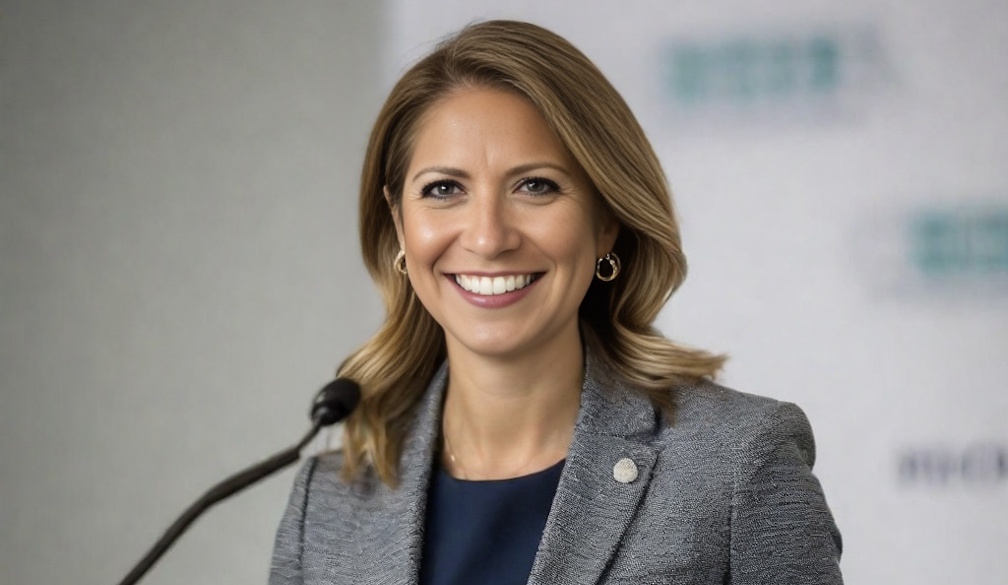
On the findings, Co-CEO of COS, Amie Lyone, says, “It’s encouraging to see the progress employers have made in prioritising health and wellbeing, with 1.5 million more Australian workers feeling protected compared to last year. At COS, we’ve found that regularly assessing staff needs across all work environments — whether in an office, on the road, or on the warehouse floor - and actively addressing concerns helps foster a culture where safety and wellbeing remain a priority for everyone. This, in turn, contributes to a healthier, more engaged, and productive workplace.”
“Interestingly, concerns about the expectation to work while sick has risen significantly in the past two years (46% vs 32%), suggesting that as more workers return to physical workspaces, anxiety around illness transmission is rising. For employees in industries that require a physical presence such as warehousing, hospitality and healthcare, this can be particularly concerning. We’ve found at COS that flexible work arrangements where possible, clear sick leave policies and enhanced hygiene practices can help alleviate these concerns.
The research also revealed the top three health and safety improvements Australians would like to see in their workplace: mental health days (39%), training sessions (19%), and ergonomic equipment (14%).
Amie adds, “It’s insightful to see that these top three improvement requests resonate across all demographics. This suggests that focusing on these areas can significantly enhance the health, safety, and productivity of any team. At COS, we understand that getting started can be challenging, which is why we’ve developed a simple and effective approach that has worked well for us. Here’s how we tackle it.”
- Engage Employees in Safety Discussions. Facilitate company-wide meetings or tailored sessions for different teams to better understand their unique safety concerns and needs — such as office staff, warehouse and factory workers, transport and logistics personnel, and frontline service employees. It’s also important to consider differing demographics, including employees of various age groups, as younger workers may require more training and guidance, while older employees might benefit from ergonomic adjustments or role-specific safety measures. By addressing the diverse needs within the workplace, businesses can develop more effective and inclusive safety initiatives that ensure all employees feel supported.
- Support Employee Wellbeing Beyond the Workplace. At COS, we recognise that workplace safety goes beyond just physical environments. That’s why we’ve partnered with an Employee Assistance Program (EAP) and wellbeing services to offer confidential support for employees navigating personal and professional challenges. Additionally, we provide regular wellbeing webinars on topics such as mental resilience, stress management, and maintaining a healthy work-life balance. These resources ensure that employees have access to support when they need it most.
- Set Clear Timelines for Action. Safety initiatives often fall by the wayside when workloads increase. Setting clear deadlines for implementation and regularly communicating progress to employees ensures accountability.
- Commit to Ongoing Safety Reviews. Workplaces evolve, and so do safety risks. Regularly revisiting workplace safety measures every six to twelve months ensures continuous improvement.
- Integrate Hygiene, Safety, and Organisation Solutions. Maintaining a clean, well-organised, and hazard-free workspace is critical to workplace safety. Implementing proper hygiene solutions such as hand sanitiser stations and disinfectant supplies can help reduce the spread of illness. Safety signage ensures employees are aware of potential risks and workplace policies, while storage and organisation solutions can prevent clutter, reducing trip hazards and improving efficiency. At COS, we provide businesses with a wide range of these essential products to support safer and more productive work environments. By incorporating these solutions, companies can take a proactive approach to workplace safety while ensuring employees have access to the tools they need to work efficiently and comfortably.
Amie concludes, “By including the entire company in conversations around workplace safety, it will help employees understand that the business cares about their welfare and will also make them aware of any barriers that are preventing their improvements from being actioned, and what the company’s plan is to work through this. These points will go a long way to ensure that all employees feel that their overall wellbeing is looked after.”
For more information on COS, visit: https://www.cos.net.au/
COS is Australia’s largest family-owned and operated office and education supplies business, led by second-generation sisters, Co-CEOs Belinda and Amie Lyone. Founded in 1977 by the late Dominique Lyone, COS began as a small business with a vision for exceptional service and social responsibility. Over the past 45 years, COS has grown from a small business to a national operation with over 600 staff and warehouses in every state and territory. Every day, we deliver thousands of products to workplaces, schools, and hospitals across Australia, helping to keep them healthy, safe, and productive.
COS was honoured as an ABA100 Winner for Sustainability in the Australian Business Awards in 2021 and is striving towards its dual goals of net zero operations and 100% renewable electricity. Giving back remains a cornerstone of COS’s mission, with 1% of total annual revenue donated annually through the Lyone Foundation to Australian charities focused on human welfare. To date, COS has contributed over $20 million to local communities through the Lyone Foundation.