Troubleshooting Flickering Lights: A Comprehensive Guide for Homeowners
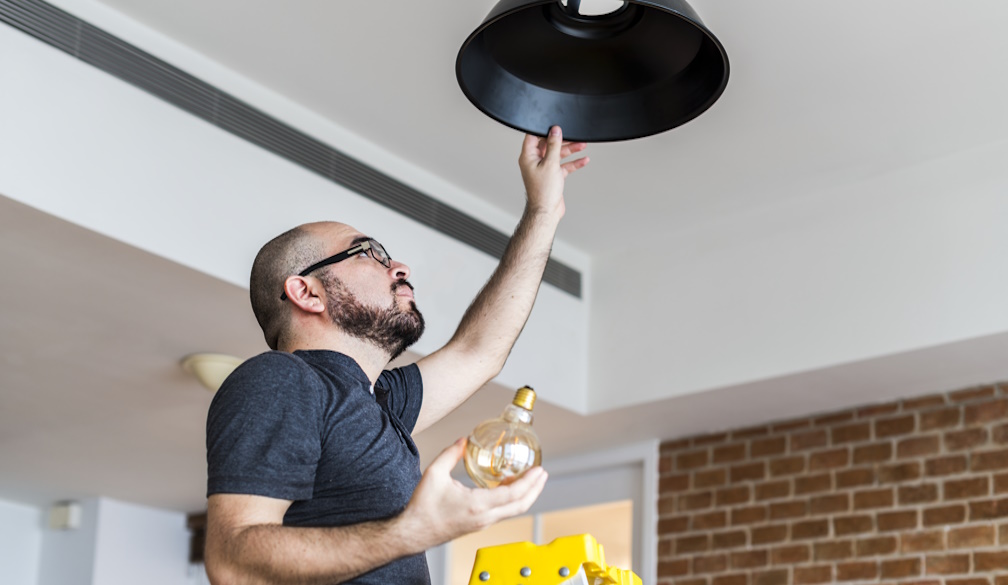
Image by rawpixel.com on Freepik
Effectively addressing flickering lights in your home is more than just a matter of convenience; it's a pivotal aspect of both home safety and energy efficiency. Flickering lights are often overlooked and attributed to minor glitches, but the reality can be quite different. They can be a tell-tale sign of underlying electrical issues that can potentially escalate into serious problems if left unattended.
In many instances, homeowners possess the skills required to perform simple checks and carry out minor fixes. However, situations arise when professional help becomes necessary. This comprehensive guide aims to equip homeowners with a step-by-step approach to troubleshooting flickering lights, helping them strike the right balance between DIY fixes and calling in the experts.
Understanding the Causes of Flickering Lights
Before you jump into troubleshooting, it’s helpful to first understand some of the common reasons why your lights might be flickering. These causes can range from mundane problems like a loose bulb in the lamp socket to more complex electrical issues, like deteriorating wiring systems.
Whether the flickering is isolated to a single lamp or if it's a widespread issue across your home also matters greatly. If it's the latter, flickering lights could be symptomatic of a larger electrical problem, which can be quite dangerous. Moreover, external factors such as thunderstorms or windy conditions can contribute to occasional light flicker due to power line disturbances.
Pre-Inspection Steps Before Proceeding Further
As part of the preliminary diagnostics, homeowners should carry out a few easy checks that could potentially identify the root cause of the problem. Start by investigating whether the problem is as simple as a loose bulb. If it seems to be the issue, carefully tighten the bulb without exerting excessive force to prevent breaking it.
Next, look into bulb compatibility, especially if you're using dimmer switches. Not all types of bulbs are designed to work with dimmers, and mismatch can result in flickering. Ensuring you have the right type of bulb for fixtures attached to dimmer switches is crucial.
Switches and outlets also deserve attention. Look for signs of wear, malfunction, or even electrical sparking or burning smells - these are potent dangers that warrant immediate professional attention.
Evaluating Electrical Connections and Wiring
Any electricity-powered system depends heavily on secure and robust connections, and your home is no exception. Flickering lights could be a result of loose wiring, which triggers intermittent connections. If you are confident and comfortable with basic electrical work, you can inspect accessible connections and tighten any loose ones.
However, keep in mind that identifying faulty wiring in its entirety involves a complex understanding of the home's electrical systems, especially in older homes. Wear, corrosion, animal damage, or just age can lead to unreliable wiring that is not up to code, representing a serious fire hazard. If you suspect your issue could be deep within the walls, it's better to call a professional electrician to perform frequent inspections for safety reasons.
Checking for Circuit Overloads as Potential Culprits
A circuit overload may be the cause if many high-powered appliances are operating on the same electric circuit. When an overload happens, the demand on the circuit goes beyond its capacity, causing lights on the same circuit to flicker. To identify this, pay attention to the correlation between the operation of certain appliances (an air conditioner, for example) and the incursion of light flickering.
A good counter solution is to redistribute these high-demand appliances across different circuits if possible. This can help distribute energy loads more evenly, reducing the strain on individual circuits. Updating your home's circuit breaker may be necessary in some instances to accommodate the growing power needs of modern appliances.
When It's Time to Call a Professional Electrician
Professional help becomes necessary when all the do-it-yourself troubleshooting doesn’t yield satisfactory results. Indicators that you need a professional are constant light flickering, circuit breakers that frequently trip, and clearly visible signs of burning or electrical discharge around outlets or switches.
Certified electricians have professional-level knowledge, tools, and experience to carry out comprehensive assessments of complex electrical systems. Having regular preventive maintenance can pinpoint and address known problem spots proactively, saving you from sudden issues that can lead to serious safety consequences.
Keeping Flickering Lights in Check for a Safer Home
Flickering lights can be a simple annoyance or a potent harbinger of electrical problems. By understanding their possible causes and executing a structured troubleshooting process, you can maintain your home as a well-lit, safe space. Always remember that while some problems can be handled personally, never hesitate to call in a professional when the need arises. Remember, when it comes to matters concerning safety, it's better safe than sorry. So, do keep a close watch on your home's electrical system, ensure regular maintenance, and stay educated about the nuanced requirements of dealing with flickering lights, including understanding how to fix flickering LED lights.