The Kennedy Center and the Trump Name: A Battle Over History, Legacy and Power
- Written by: The Times
The removal of Donald Trump's name from part of Washington's famed Kennedy Center has become far more than a legal dispute over signage. It has evolved into a national debate about history, politics, public institutions and who ultimately controls the symbols of a nation.
For many Australians, the story may appear to be just another chapter in America's highly charged political environment. Yet beneath the headlines lies a question that every democracy faces from time to time: should national monuments belong to the government of the day, or should they remain dedicated to the people and events they were originally intended to honour?
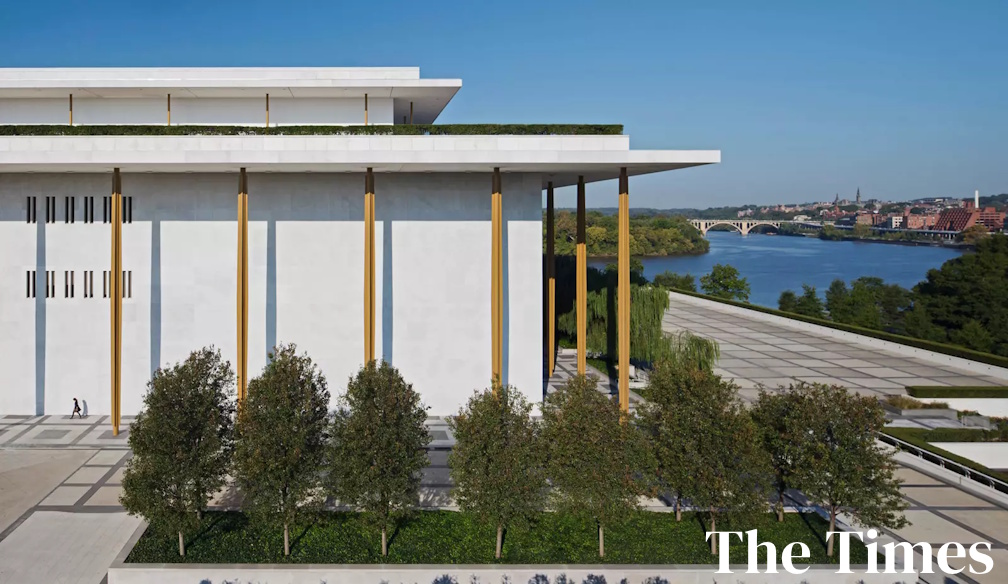
The John F. Kennedy Center for the Performing Arts was established as a living memorial to President John F. Kennedy following his assassination in 1963. For decades it has served as one of America's premier cultural institutions, hosting theatre, music, dance and major national events.
Named after the nation's 35th President, the centre was intended to stand as a permanent tribute to Kennedy's legacy and his support for the arts. Like many national memorials, it was designed to outlive the political battles of its era.
That changed when a proposal emerged to add President Donald Trump's name to part of the institution.
Supporters argued that Trump had played a significant role in reshaping the organisation and deserved recognition for his contribution. To them, the move represented a legitimate acknowledgement of a sitting president's influence and achievements.
Critics saw something very different.
Opponents argued that the Kennedy Center already had a clear purpose and identity. They believed the institution existed to honour John F. Kennedy and that attaching another president's name risked diluting the memorial's original intent.
The dispute quickly moved beyond politics and into the courts.
Legal challenges questioned whether the board overseeing the centre had the authority to alter the designation of a memorial established by Congress. Judges ultimately concluded that changes of such significance required congressional action, resulting in Trump's name being removed.
The legal outcome may have settled the immediate issue, but it has done little to resolve the broader debate.
Supporters of Trump view the decision as another example of political opposition targeting a president whose influence continues to shape American public life. They argue that history should recognise contemporary achievements as well as those of past leaders.
Critics counter that national memorials should remain faithful to their original purpose and not become vehicles for modern political contests.
Both sides raise legitimate questions.
Should national institutions evolve with changing political circumstances?
Should current leaders be recognised during their lifetimes?
Or should public memorials remain largely untouched, preserving the historical intentions of those who created them?
The controversy illustrates a challenge faced by many democratic societies. Governments come and go. Political movements rise and fall. Public opinion shifts. Yet national institutions are expected to endure through generations.
Australia has largely avoided similar disputes, but the underlying questions are familiar. Decisions about monuments, public buildings, place names and historical recognition regularly generate debate about whose stories deserve prominence and how history should be remembered.
The Kennedy Center dispute is therefore about much more than Donald Trump or John F. Kennedy.
It is about whether national institutions should reflect the politics of the present or serve as guardians of the past.
The removal of Trump's name may conclude one chapter, but the larger conversation is unlikely to disappear. As societies continue to reassess their history and public symbols, the question remains unresolved: who truly owns a nation's monuments — today's leaders, or history itself?
https://www.kennedy-center.org/our-story/