The Importance of Marine Salvage Operations in Protecting Our Oceans
- Written by: The Times
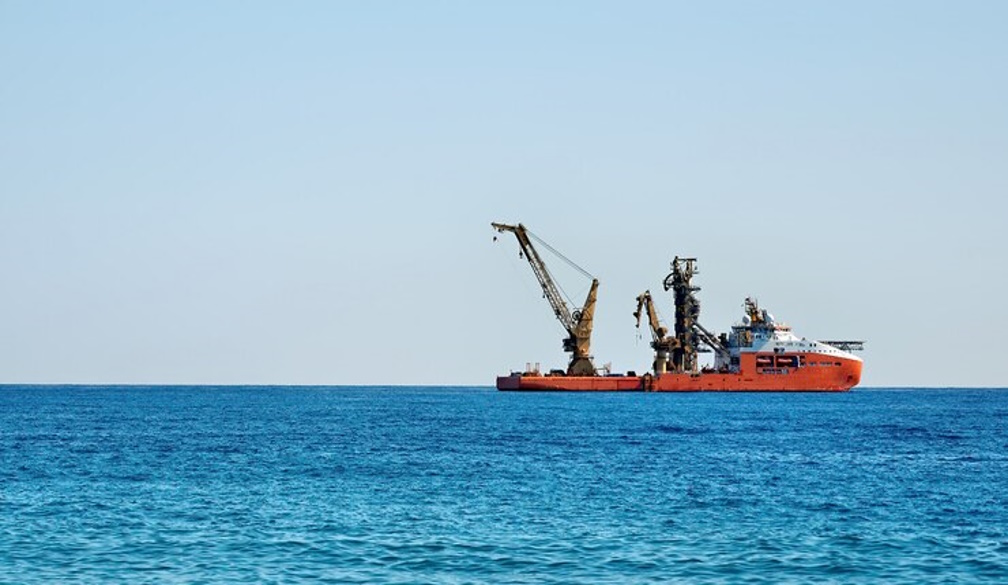
Marine salvage operations play a crucial role in maintaining the health and safety of our oceans. These operations involve the recovery of ships and their cargoes that have met with accidents at sea, which could potentially harm marine ecosystems. In this article, we delve into the significance of these operations, exploring their environmental, economic, and safety implications.
Introduction
Marine salvage is an essential service within the maritime industry, focusing on the recovery and repair of ships that have been damaged or are in distress. Crucial to mitigating environmental disasters, these operations prevent pollutants like oil, industrial chemicals, and other hazardous materials from spilling into the ocean, thereby protecting marine life and habitats. Implemented correctly, marine salvage operations can avert ecological catastrophes and facilitate the restoration of maritime environments to their natural state.
Franmarine Underwater Services play a significant role in these vital operations. Their expertise and specialized equipment are fundamental in ensuring rapid and effective responses to maritime emergencies. Through their efforts, they not only save valuable cargo and reduce potential losses but also contribute immensely to the preservation of our marine ecosystems.
Environmental Protection through Salvage Operations
The primary objective of marine salvage operations is to prevent environmental pollution. The urgency of responding swiftly to maritime incidents cannot be overstated. Each minute counts when it comes to containing and recovering hazardous materials. Expert salvage teams are trained to handle delicate operations with precision and care, ensuring that pollutants are confined and removed from the ocean as efficiently as possible.
Moreover, these operations involve careful planning and the use of advanced technologies to mitigate the environmental impact. Techniques such as hot tapping, which involves drilling into a vessel's tank to extract oil without spilling it into the ocean, exemplify the innovative approaches used in modern marine salvage. These methods not only protect the marine environment but also ensure the safety of salvage workers and marine life.
Economic Impact of Effective Salvage Operations
Beyond environmental protection, marine salvage operations have significant economic implications. The maritime industry is a cornerstone of global trade, with a vast amount of goods transported over the seas daily. When accidents occur, the potential loss in terms of cargo, vessel damage, and environmental cleanup can be substantial. Effective salvage operations mitigate these losses by recovering cargo and vessels, thus reducing the financial burden on ship owners and insurance companies.
In addition, the prevention of environmental disasters helps avert the enormous costs associated with large-scale cleanups and legal liabilities. The economic benefits of effective marine salvage extend to the preservation of fishing areas, beaches, and marine habitats that are vital for tourism and local economies. Thus, investing in high-quality salvage operations is not just an environmental or safety measure but a financially prudent decision as well.
Technological Advancements in Salvage Techniques
The field of marine salvage has seen remarkable technological advancements over the years. Modern salvage operations employ a variety of cutting-edge techniques and equipment, including remotely operated vehicles (ROVs), advanced diving support, and computerised simulation models for operation planning. These tools enhance the precision and efficiency of salvage missions, allowing for quicker response times and safer operations under challenging conditions.
For instance, ROVs enable teams to perform intricate tasks at depths that are unsafe for human divers. These remotely controlled robots can assess damage, perform repairs, and recover objects from sunken vessels without direct human intervention. The use of such technology not only increases the success rate of salvage missions but also significantly reduces the risk to human life.
Challenges in Modern Salvage Operations
Despite the advancements in technology and methodology, modern salvage operations face numerous challenges. The increasing size of commercial vessels and the harsh environments in which they operate can complicate salvage missions. Additionally, legal and jurisdictional issues often delay the initiation of salvage operations, increasing the risk of environmental damage.
Climate change also poses new challenges to marine salvage operations. Rising sea levels and more frequent extreme weather events can increase the likelihood of maritime accidents.
The Future of Marine Salvage
Looking ahead, the future of marine salvage lies in the continued integration of technology, enhanced international cooperation, and stringent safety standards. As the maritime industry grows and evolves, so must the strategies and technologies used in marine salvage to adequately protect our oceans.
Innovations such as artificial intelligence and machine learning are set to revolutionize the planning and execution of salvage operations. These technologies can predict potential failures and automate aspects of the salvage process, thereby enhancing response times and outcome effectiveness.
In conclusion, marine salvage operations not only facilitate the recovery of property and prevent economic losses but also, and more importantly, play a crucial role in safeguarding our marine ecosystems. Investments in these operations and their continuous improvement are essential for the well-being of our oceans and the protection of our planet's future.