A Report From France: The Mood of a Nation
- Written by: The Times
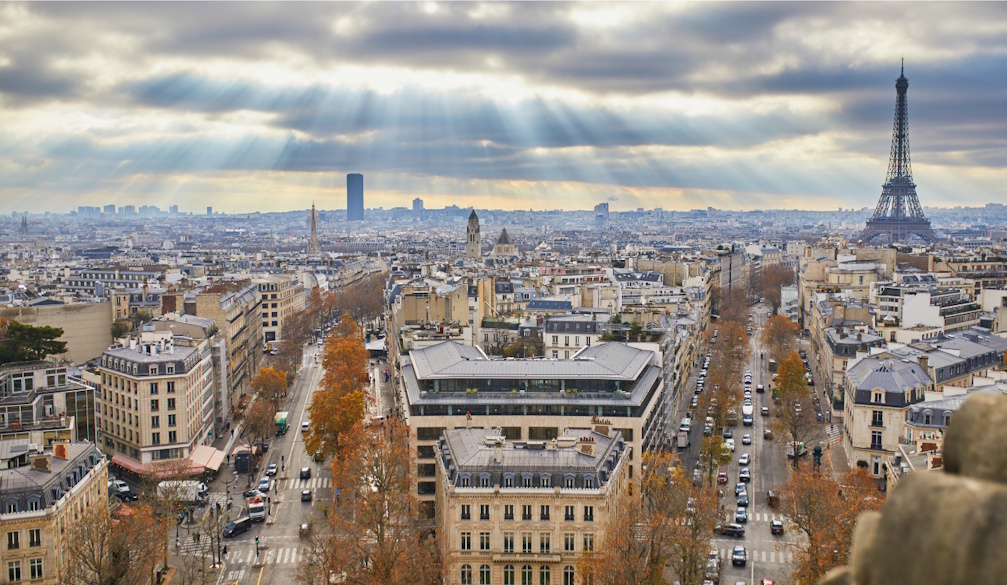
France occupies a unique place in the global imagination.
To many outsiders, it remains the land of café culture, beautiful boulevards, excellent bread, wine, art, romance and long lunches beneath striped awnings. Paris still represents sophistication. The French countryside still evokes images of vineyards, stone villages and slow living.
French films and literature helped create a global picture of France as elegant, intellectual and deeply attached to quality of life.
And in many ways, that image still exists.
But modern France, like much of the Western world, is also wrestling with anxiety, division and uncertainty beneath the surface beauty.
To understand the mood of France in 2026 is to understand a country balancing pride in its history with concern about its future.
Are the French happy?
That question sounds simple but is surprisingly difficult to answer.
The French are often stereotyped internationally as cynical or perpetually dissatisfied. Yet that stereotype partly reflects a culture that values debate, criticism and intellectual engagement. Complaining in France can almost function as a national pastime and social ritual.
At the same time, France consistently ranks highly in areas many people associate with quality of life:
-
strong food culture
-
generous vacation time
-
universal healthcare
-
public transport
-
arts and culture
-
worker protections
-
access to education
-
social welfare systems
Many French citizens still deeply value lifestyle over relentless economic productivity.
Meals matter.
Conversation matters.
Time with family matters.
The café culture shown in films still exists, particularly in Paris and regional cities. Sidewalk cafés remain crowded. Markets still operate in village squares. Long lunches are still culturally respected more than in many English-speaking countries.
The stereotype of French people sitting outdoors discussing politics over coffee and wine is not entirely fiction.
Yet modern economic pressures are changing aspects of that lifestyle.
Cost-of-living concerns now dominate much public discussion.
Like much of Europe, France has faced rising prices for:
-
fuel
-
electricity
-
groceries
-
housing
-
insurance
-
transport
While France maintains stronger social protections than many countries, ordinary households still feel pressure.
The famous “yellow vest” protests that began years ago over fuel taxes revealed something important about modern France: beneath the image of sophistication existed widespread frustration among working and middle-class citizens struggling with everyday costs.
That frustration has not entirely disappeared.
Fuel prices remain emotionally and politically sensitive because many French citizens outside major cities rely heavily on cars. Rural France and smaller towns do not always enjoy the same transport convenience as central Paris.
Motoring therefore remains an important part of national life.
French roads still feature famous domestic brands such as Peugeot, Renault and Citroën, though global competition and electric vehicle transitions are reshaping the industry.
Like elsewhere in Europe, many motorists complain modern cars are becoming too expensive and too technologically complicated.
There is nostalgia for simpler motoring.
At the same time, environmental policies continue encouraging electric vehicles and reduced emissions. Younger urban residents often embrace cycling, trains and smaller vehicles more readily than previous generations.
France’s train network remains among the best in the world and high-speed rail continues symbolising national pride.
The French still take engineering and infrastructure seriously.
Confidence in government, however, is more fragile.
President Emmanuel Macron remains one of Europe’s most recognisable leaders, but like many modern political figures he governs a deeply divided electorate.
France possesses a long tradition of protest culture.
French citizens frequently demonstrate, strike and openly challenge government policy. Unlike some countries where public protest feels exceptional, protest in France is almost woven into democratic identity.
Many French voters believe governments increasingly struggle to understand ordinary citizens outside elite urban circles.
Concerns include:
-
pension reforms
-
immigration
-
energy prices
-
economic inequality
-
public safety
-
national identity
Confidence in political institutions has weakened in some areas, although France still maintains strong state structures and administrative systems compared with many nations.
Immigration remains one of the most sensitive issues in modern France.
France has long been shaped by migration from former colonies and other regions. Large immigrant communities form part of the country’s social and economic fabric.
Yet integration challenges, social tensions and security concerns continue generating political debate.
For some French citizens, immigration enriches France culturally and economically.
For others, rapid demographic change raises concerns about national identity, social cohesion and pressure on housing and public services.
This debate has intensified support for nationalist and populist political movements.
France therefore reflects a broader European trend: increasing tension between globalisation and national identity.
Questions many French people now ask include:
-
What does it mean to be French?
-
Can multiculturalism function successfully?
-
How should secularism operate?
-
Can immigration levels remain sustainable?
These are emotionally charged questions without simple answers.
Education remains one of France’s proudest institutions, though not without criticism.
French schools and universities maintain strong academic traditions, particularly in philosophy, mathematics, literature and engineering. Intellectualism still carries cultural prestige in France more than in many countries.
Education is viewed not merely as job preparation but as part of forming an informed citizenry.
However, younger generations increasingly face familiar modern pressures:
-
employment uncertainty
-
housing affordability
-
global competition
-
rising living costs
Many students worry whether traditional educational pathways still guarantee secure futures.
Even in France, the old promise that education alone automatically delivers prosperity appears less certain than it once did.
The French healthcare system continues ranking among the world’s stronger public health models.
Universal healthcare remains a source of national pride. Most French citizens still enjoy broad access to medical services at costs far below those experienced in countries such as the United States.
Doctors, pharmacies and hospitals form part of a healthcare structure many nations still admire.
However, strains are emerging.
Like much of Europe, France faces:
-
ageing populations
-
rising healthcare costs
-
staff shortages
-
rural doctor shortages
-
pressure on hospitals
Despite those challenges, many French citizens still strongly support maintaining public healthcare principles.
There remains broad cultural resistance to fully market-driven healthcare systems.
The larger question hanging over modern France may be this:
Is France becoming a better country?
The answer depends heavily on whom one asks.
France remains wealthy, culturally influential and globally respected. It still produces exceptional food, art, architecture, fashion, engineering and intellectual life. Its infrastructure generally functions well. Workers enjoy protections many countries envy.
Many visitors still fall in love with France immediately.
And yet internally, many French citizens express unease.
Some fear social fragmentation.
Some fear declining global influence.
Some fear loss of cultural identity.
Others worry France is becoming economically stagnant or too bureaucratic to compete effectively in a rapidly changing world.
Younger generations sometimes feel trapped between old traditions and modern realities.
Older generations often believe aspects of French life were once more cohesive, more stable and more affordable.
Still, one characteristic remains unmistakably French:
The refusal to quietly accept decline.
France debates constantly because the French care deeply about what their nation becomes next.
The national mood is therefore neither despair nor simple optimism.
It is tension.
A tension between tradition and modernity.
Between national pride and national anxiety.
Between preserving culture and adapting to global change.
France today still possesses beauty, confidence and sophistication. But it is also searching for reassurance that the future will preserve the qualities that made the country admired in the first place.
Perhaps that explains the enduring fascination the world has with France.
It is not merely a country.
It is an idea about how life should feel.
And modern France is now asking itself whether that idea can survive the pressures of the twenty-first century.