Innovative Strategies for Using the Wheel Spinner
- Written by: The Times
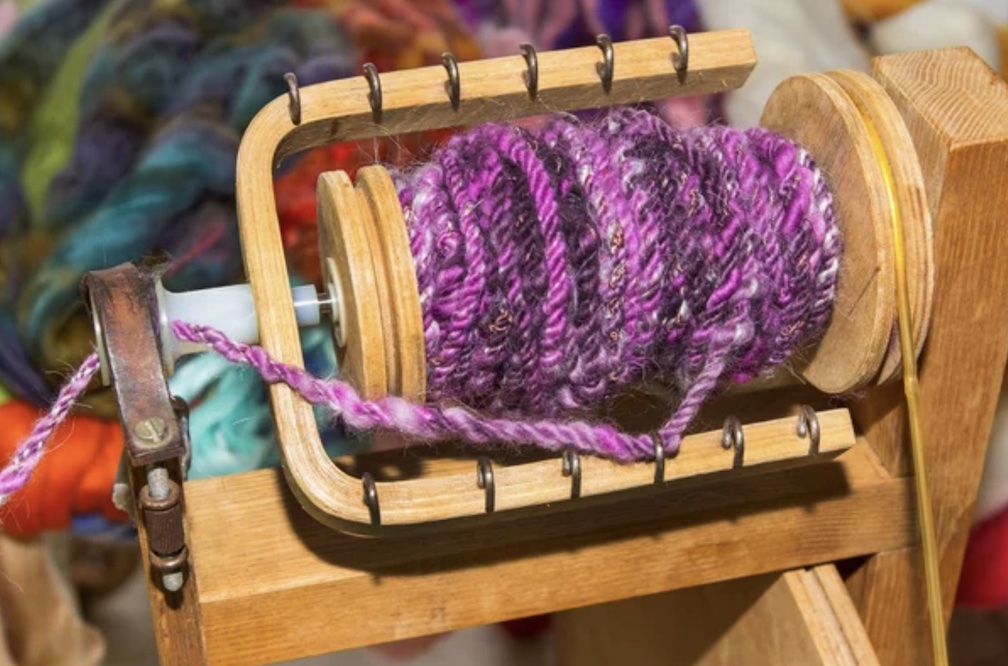
For ages, the wheel spinner has been used to manufacture high-quality yarn and fabrics. It is a versatile tool that may be used to create simple yarns as well as sophisticated multi-coloured mixtures. The wheel spinner has changed as technology has improved, and there are now novel techniques for employing this instrument that can help you take your yarn-making to the next level.
Blending Different Fibers
Blending different fibres is one of the most creative ways to use the wheel spinner. You may make yarns that are stronger, softer, and more durable than single-fibre yarns by combining fibres like wool, silk, and cotton. Blending also enables you to create one-of-a-kind colour and texture combinations that will make your completed textiles stand out.
Incorporating Novelty Materials
Incorporating novelty materials into your yarns is another way to use the wheel spinner. To add texture, sparkle, and interest, include materials such as sequins, ribbons, and feathers in your yarns. These yarns are suitable for making eye-catching textiles such as scarves, caps, and bags.
Experimenting with Color
Colour experimentation is made easy with the wheel spinner. You can make yarns in a variety of hues and tints by combining different coloured fibres or dyes. You can also try out alternative colour approaches like gradient, variegated, or self-striping yarns. These techniques can give your finished textiles more depth and interest.
Creating Art Yarns
Art yarns are yarns that are spun in unconventional ways to create unusual textures and shapes. You may make genuinely one-of-a-kind yarns by using a wheel spinner to create art yarns. Art yarns can be utilized in a wide range of textile products, including wall hangings, rugs, and even garments.
Spinning Fine Yarns
The wheel spinner can also be used to spin very fine yarns. Fine yarns are often used in lace knitting or weaving projects and require a high degree of skill and control. By using a wheel spinner, you can control the thickness and consistency of your yarns to create fine, delicate textiles.
Using Different Wheel Spinner Designs
There are many different wheel spinner designs available, each with its unique features and benefits. By experimenting with different designs, you can find the one that works best for you and your projects. Some designs are more portable than others, while others are better suited for specific types of fibres or projects.
Collaborating with Other Textile Artists
Collaborating with other textile artists is another innovative strategy for using the wheel spinner. By sharing ideas and techniques with other artists, you can learn new skills and create truly unique textiles. Collaborating with others can also help you to develop new techniques and approaches to textile production.
Using Different Spinning Techniques
Many different spinning techniques can be used with a wheel spinner. These techniques can produce different textures and consistencies in your yarns. By experimenting with different techniques, such as long-draw or worsted spinning, you can create yarns that are suited to specific projects or applications.
Creating Consistent Yarns
Creating consistent yarns is essential to producing high-quality textiles. By using the wheel spinner to create consistent yarns, you can ensure that your finished textiles are uniform and of high quality. Consistent yarns are also easier to work with and require less effort to produce.