Cities are made from more than buildings and roads. They are also made by ambiences – how a city makes you feel
- Written by: Jordan Lacey, Research Fellow, School of Design, RMIT University
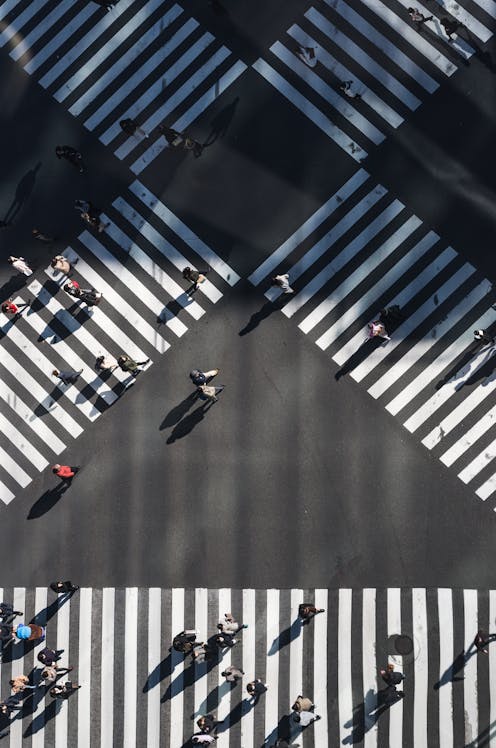
How does a city feel? Energetic, unnerving, invigorating, relaxing?
This is a key question often asked by designers who consider the ambience of a city.
Typically, when we think of a city we jump straight to thinking about its buildings, roads, shops and parklands: the physical things we are surrounded by. But what about all those invisible things in between?
When we speak of ambience, we think of the city in a very different way. We think of the city from the position of our own sensing body. The light that enters our eyes; the sounds that enter our ears; the wind and radiation that touches our skin; the tastes and smells in the air; even the vibrations that pass through us (think of passing trams, and even Earthquakes!).
Each of us is suspended in these ever-shifting mediums, with our perceptions reshaping our world, moment by moment.
Ambient encounters
It is very subtle, this thing called ambience. But you can be sure there is a reason your body draws you back to the same place again and again. It’s not simply habit, it is also the ways a place makes our body feel.
Do you have a quiet place you disappear to at lunchtime? A place in a park or a quiet back alley? These are places of refuge in which the senses are less overwhelmed, allowing us to sink into our thoughts.
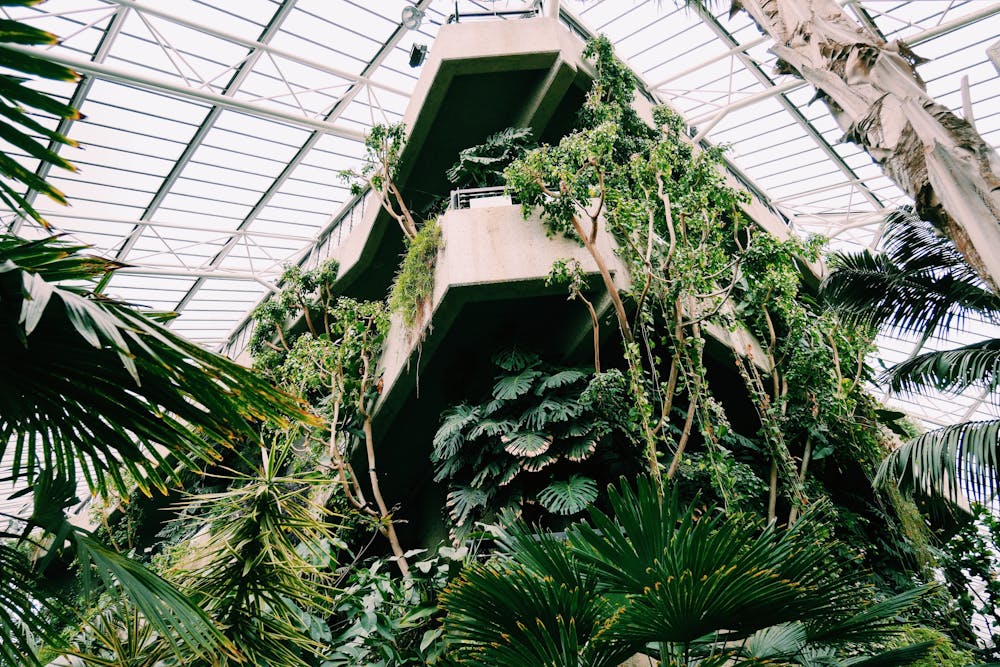
Perhaps you have a café you favour, alone or with friends. What draws you there? The images on the wall, the soft sound of conversation, the smells and sounds?
And what about the lockdown? Trapped in our homes, some more lucky than others, where did you find solace? Telephones and wine! A sprawling backyard? Chatting with your neighbour from your balcony?
Ambiences are key to social interaction – an understanding the lockdowns forced upon us as we struggled with the effects of loneliness and isolation.
Read more: Is isolation a feeling?[1]
Unpleasant ambiences
Ambiences are not always pleasant. There are frightening ambiences: the train station underpass you need to traverse to get home at night, or perhaps the nefarious night-time uses of those quiet places you escape to during lunchtime.
The political reaction to such issues is usually to flood these areas with light and surveillance cameras. While effective at promoting safety for the vulnerable, they also create vigilant cities accompanied by an ever-present sense of a watchful gaze.
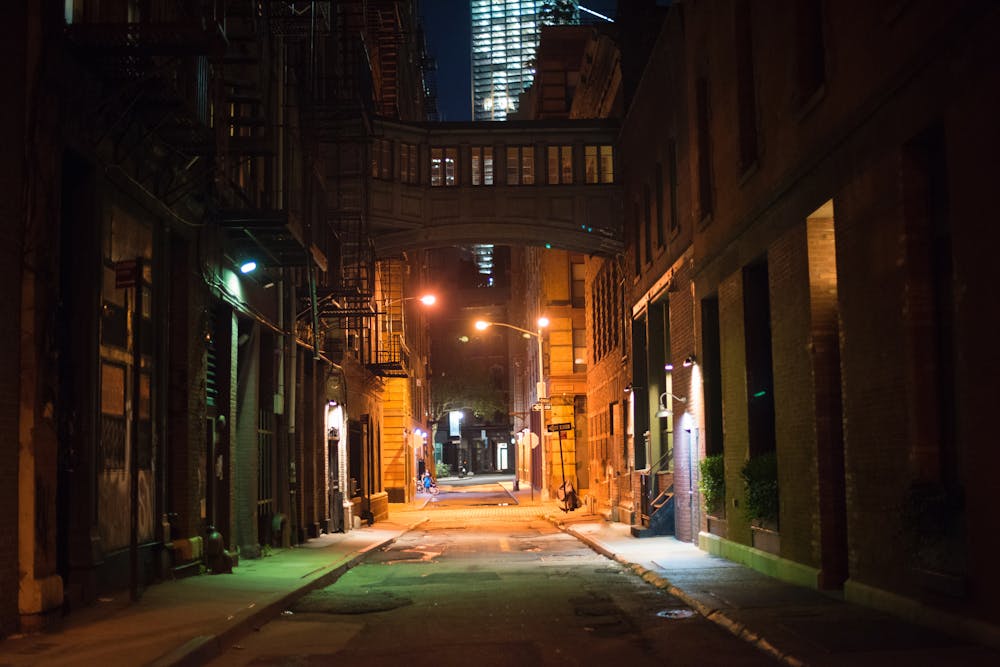 Places that feel safe during the day might feel very different at night.
Jeffrey Blum/Unsplash
Places that feel safe during the day might feel very different at night.
Jeffrey Blum/Unsplash
Ambiences are also complex. One person’s joyful ambience can be another person’s nightmare.
Take the issue of noise annoyance from band venues. Many pubs and clubs have been forced to close[2] due to complaints from newly built housing.
Melbourne was one of the first cities in the world to institute “agent of change[3]” laws. It is now the agent of change – whether a housing developer or new venue operator – who is responsible for noise management. The results seem positive: buildings have improved noise protection[4] while both cultural institutions and tenant quietude are preserved.
First Nations ambiences
First Nations people had and continue to foreground ambiences in their connections with country. Connecting with country is often described as a feeling[5] in which the body opens to the expressions of the land.
In his book Sand Talk[6], Indigenous scholar Tyson Yunkaporta writes:
There are aspects of consciousness, knowledge and knowledge transmission that have not been explained or proven scientifically […] They include the messages that land and Ancestors bring to us – a bird or animal behaving strangely, a sudden wind gust, a coincidence that highlights a deep meaning or revelation, a burst of inspiration – these are the things that make knowledge processes sacred and magical.
Yunkaporta’s passage highlights something all but lost in contemporary civilizations: a capacity to connect deeply with the spirit of the land. Designing ambiences cannot (and should not) play proxy to such complex cultural and spiritual understandings; however, it may provide new insights into the ways we can connect with the environments in which we live.
Designing ambiences
So how do architects and designers think about designing ambiences? There are many practitioners from many fields doing some beautiful and thoughtful work in this area.
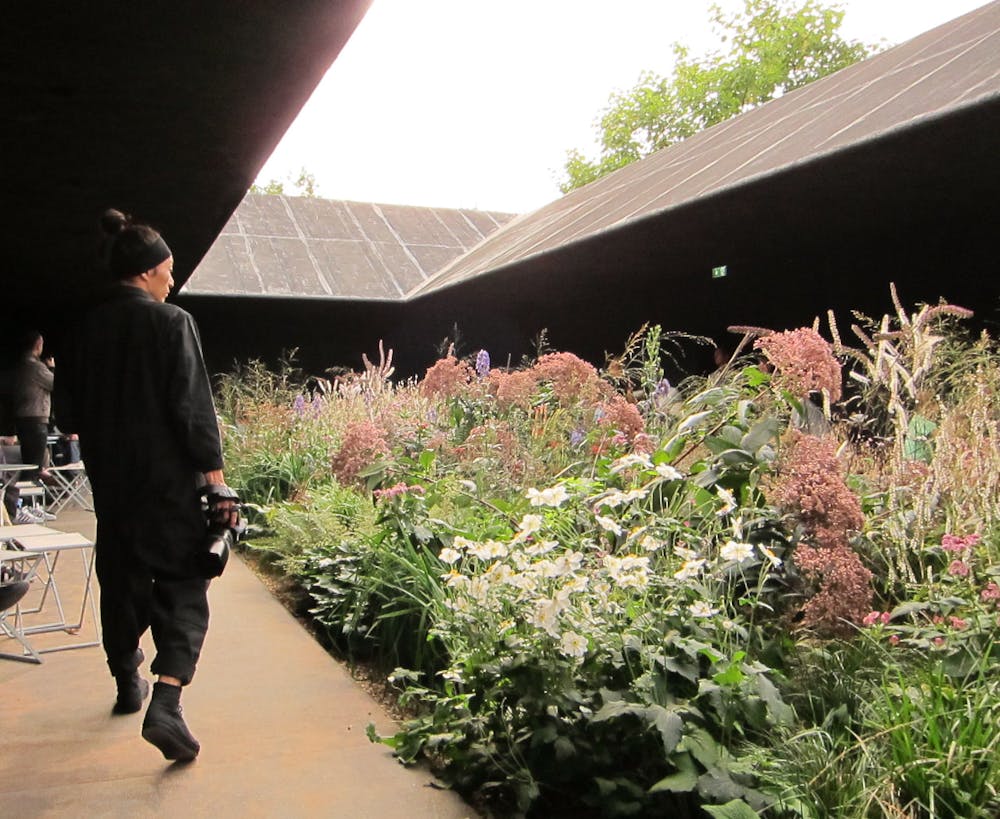 Peter Zumthor’s Serpentine Pavilion brought nature back into London.
Alan Stanton/flickr, CC BY-SA[7][8]
Peter Zumthor’s Serpentine Pavilion brought nature back into London.
Alan Stanton/flickr, CC BY-SA[7][8]
Peter Zumthor is a standout architect, who, influenced by Zen Buddhism, carefully considers the role of the senses in his designs. His 2011 Serpentine Pavilion[9] created an enclosure with scented flowers and humming bees, creating an ambience in which people could escape the hustle and bustle of London. He even asked for nearby generators to be switched off, so people could sink more easily into the sounds.
Soundscape design[10] is a developing field seeking positive ways to shape the sounds of the city (like a landscape designer creates new landforms). Public sound artists in particular, have led the way in soundscape design. Bruce Odland and Sam Auninger’s Harmonic Bridge[11] uses tuning tubes to turn the sound of traffic into a calm, melodic drone.
Read more: We need a new relationship with urban noise[12]
Finally, there is the growing importance of the work of biophilic designers[13] bringing nature into the city to improve human well-being. I am interested in ways we can bring nature into the city to create healing, restful and collaborative spaces.
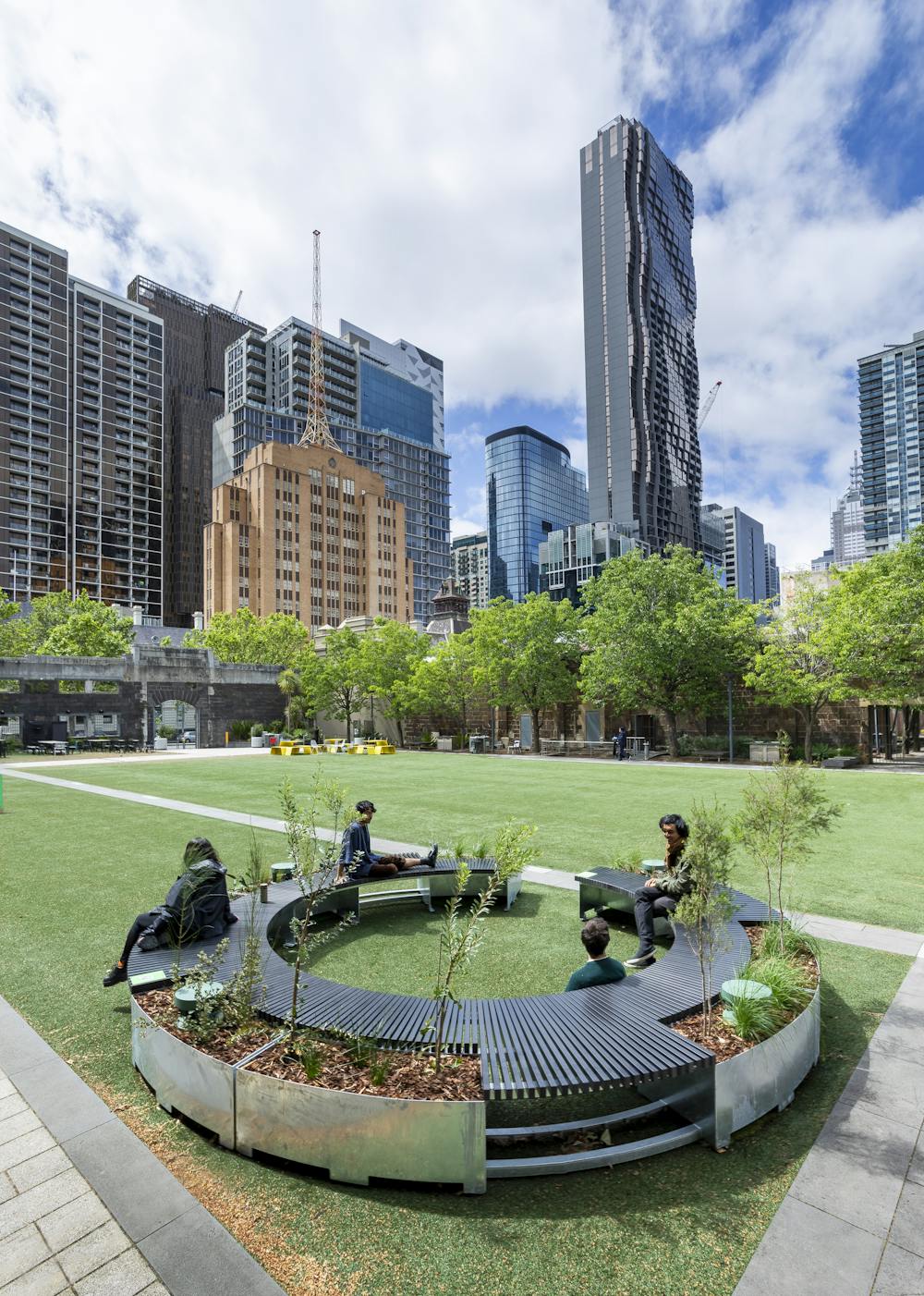 The Sonic Gathering Place at the Old Melbourne Gaol.
Photo: Tobias Titz, Author provided (no reuse)
The Sonic Gathering Place at the Old Melbourne Gaol.
Photo: Tobias Titz, Author provided (no reuse)
I worked with landscape architect Charles Anderson to place our prototype biophilic sound design installation Sonic Gathering Place[14] in the forecourt of the Old Melbourne Gaol: a small circular seating area surrounded by plants and sounds from four National Parks in Australia.
If in Melbourne, we encourage you to visit the work and to take a moment to explore an unexpected ambience in the middle of the city.
References
- ^ Is isolation a feeling? (theconversation.com)
- ^ forced to close (junkee.com)
- ^ agent of change (www.livetoolkit.com.au)
- ^ improved noise protection (www.planningventures.co.uk)
- ^ as a feeling (www.miriamrosefoundation.org.au)
- ^ Sand Talk (www.goodreads.com)
- ^ Alan Stanton/flickr (www.flickr.com)
- ^ CC BY-SA (creativecommons.org)
- ^ 2011 Serpentine Pavilion (www.serpentinegalleries.org)
- ^ Soundscape design (theconversation.com)
- ^ Harmonic Bridge (massmoca.org)
- ^ We need a new relationship with urban noise (theconversation.com)
- ^ biophilic designers (theconversation.com)
- ^ Sonic Gathering Place (jordan-lacey.com)