We asked hundreds of Aussies whether they'd eat insects, and most said yes – so what's holding people back?
- Written by: Jessica Danaher, Lecturer in Nutrition, RMIT University
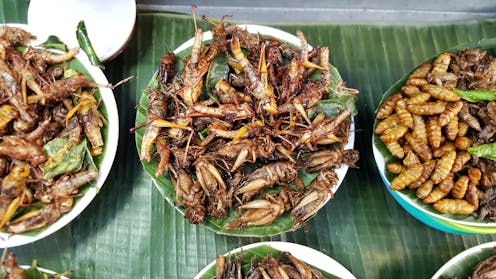
Insects are sustainable, nutritious and delicious. They’re eaten by more than two billion people worldwide, mostly in the tropics, and have been a staple in Indigenous Australians’ diets for tens of thousands of years.
Yet eating insects isn’t mainstream in Australia. Why?
We surveyed 601 Australians on their experience with, and attitude towards, edible insects. Our findings[1] offer insight into which factors might convince people to add edible insects to their diet.
Importantly, we found Australians are not deterred by the “ick” factor of eating insects, and would be willing to try them as a protein alternative if not for a “lack of opportunity”.
Of the adults we surveyed, 56.2% reported they would be “likely” to eat insects in the future (a much more promising result than that from a recent European Union survey[2]) – and this figure increased to 82.2% among those who had already tried them.
Missed opportunities
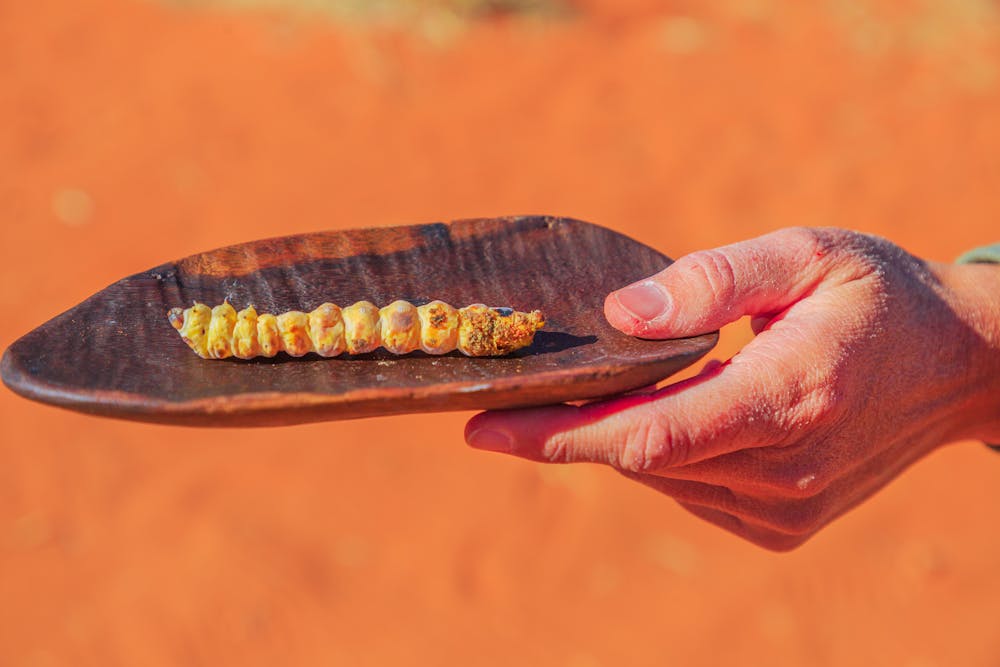
Although insects don’t commonly feature on Aussie menus, there are 60 insect species[3] which have been recorded as a traditional food source for Indigenous Australians, including witjuti grubs, bogong moths and honey pot ants.
The ancient Romans and Greeks ate insects[4], too. It’s thought Westernised countries[5] may have lost their taste for edible insects during the shift from the hunter-gatherer lifestyle to agriculture and urbanisation.
Insects went from fulfilling the role of a staple food to being pests that destroy crops, and this may have prompted a shift in our attitudes towards eating them.
Research conducted[6] with older Australians has revealed a tendency to view the practise as disgusting and incompatible with their personal beliefs, raising concern there may be reluctance for edible insects to return to being a normalised and viable protein alternative.
As it turns out, most people aren’t that squeamish
But our research (mainly with participants aged 25 to 44 years) shows Aussies have begun to adopt a more positive outlook towards insect-based foods.
Of those surveyed, 35% had previously tried insects, most commonly crickets and grasshoppers. And people who had already tried them were also more open to eating them again, which suggests a “taste” for bugs can be developed. Of those who hadn’t tried insects, only 16% reported “disgust” was holding them back.
This paradigm shift may be linked to people expressing more concern for the environmental cost of their food, and a greater interest in adopting healthy dietary habits.
Participants also reported they would be willing to eat insect-based products if it was easier to find out how such foods are beneficial, both from a nutrition and sustainability standpoint.
They said endorsements from governing bodies, as well as more prominence of edible insects in mainstream media, would boost their interest in eating insects – as well as “try before you buy” promotions.
For those willing to give insects a go, insect-based flours (such as bread and biscuits), chocolate-coated ants and crickets were the top choices. Not all species were received the same way, however, with moths and fly larvae not generating such a buzz.
Still, the shift towards a willingness to try insects is promising for Australia’s growing edible[7] insect market.
Embracing future foods
With the global population still growing, we will need alternative sources of protein to sustainably meet future food production requirements.
The demand for protein is on the rise and, according to the UN Food and Agriculture Organisation, will have to increase by 76%[8] by 2050. But production is restricted due to Earth’s finite resources.
Edible insects have potential as an important future food, offering a nutritious protein source that’s more sustainable to produce – using less land, energy and water.
References
- ^ Our findings (www.sciencedirect.com)
- ^ European Union survey (www.beuc.eu)
- ^ 60 insect species (research.csiro.au)
- ^ ate insects (www.nationalgeographic.com)
- ^ thought Westernised countries (www.ted.com)
- ^ Research conducted (www.sciencedirect.com)
- ^ growing edible (www.fial.com.au)
- ^ increase by 76% (www.fao.org)