Surging energy prices are really going to hurt. What can the government actually do?
- Written by: Tony Wood, Program Director, Energy, Grattan Institute
Picture this. You’re in government for the first time in more than a decade. And within six months, you’re facing a diabolical problem: skyrocketing energy prices. To your constituents, it doesn’t matter that the root cause is a war in Europe. What they’ll see is pain – electricity and gas bills climbing and climbing.
So what can you do? Federal and state energy ministers met yesterday[1] to hash out the problem ahead of today’s meeting of the prime minister, state premiers and territory leaders.
One thing’s for sure – it’s politically impossible for governments to do nothing, with power prices expected to jump by 56% over this year and next and gas to rise by a lesser extent. That’s against a backdrop of rising inflation and rising interest rates, which are set to cause yet more hip-pocket pain.
So what options does the government actually have? Which one is the best? And – importantly – which is the most politically feasible? Here they are from best to worst.
1. Gas and coal producers choose to lower domestic prices
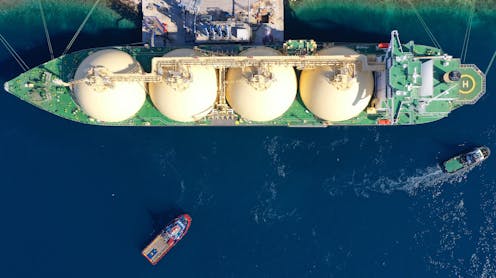
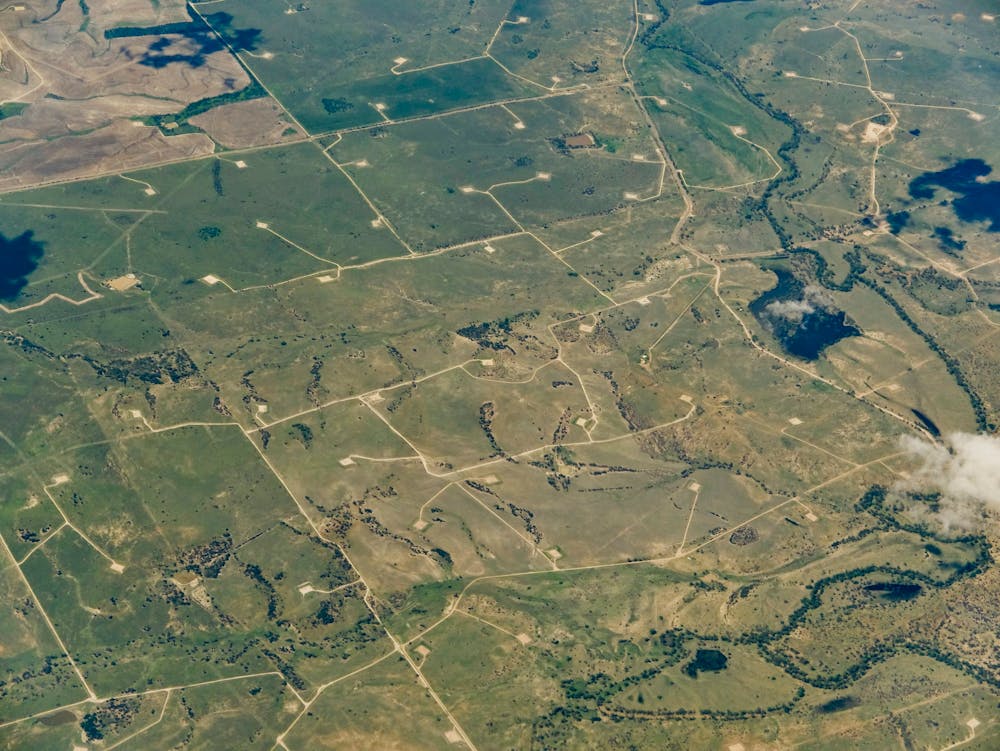
Your looming energy bill pain starts in gas-rich places such as Queensland, where major gas companies extract coal seam gas, liquefy it and sell almost all of it overseas. Similarly, coal companies mine coal and sell most of it overseas.
In the wake of the war on Ukraine and sanctions slapped on fossil fuel giant Russia, fossil energy prices have skyrocketed. That means coal and gas companies can sell their commodities at profit margins much higher than normal. And it means many of our own fossil power plants, both coal and gas, must now pay huge prices to secure part of their own supplies, culminating in the horribly high bills for you.
Read more: 5 policy decisions from recent history that led to today's energy crisis[2]
Seeing Australia’s predicament – and knowing the government has vowed to do something about energy prices – you might wonder why these companies haven’t agreed to do a deal and provide these relatively small volumes for domestic use at a much lower price, given they mine or extract on Australian soil.
This is the simplest, best and least likely option. Hence the government feels forced to intervene.
2. Governments impose price caps on gas and coal
This is the option talked about most at present. It’s one of the best options available to government, in the absence of corporate action.
How would it work? Because prices are often opaque, hidden behind confidential long-term contracts between gas and coal producers and their buyers, the government would likely have to impose a price cap on the short-term spot market where these commodities are sold.
About five years ago, the Turnbull government signed an agreement with our three major LNG producers to ensure we would have enough domestic supply. This agreement made no mention of price, as it was mainly concerned with supply.
The government could build on this agreement by introducing a gas price cap, and introduce similar agreements for coal companies.
It will be hard for gas and coal producers to cry foul, given the lion’s share of their profits come from exports. Domestic supply is a small fraction of their business.
One wrinkle here is the new debate between federal and state governments over how these caps should be imposed. Reports suggest[3] the federal government is preparing to cap gas prices – but that it wants the states to cap coal prices.
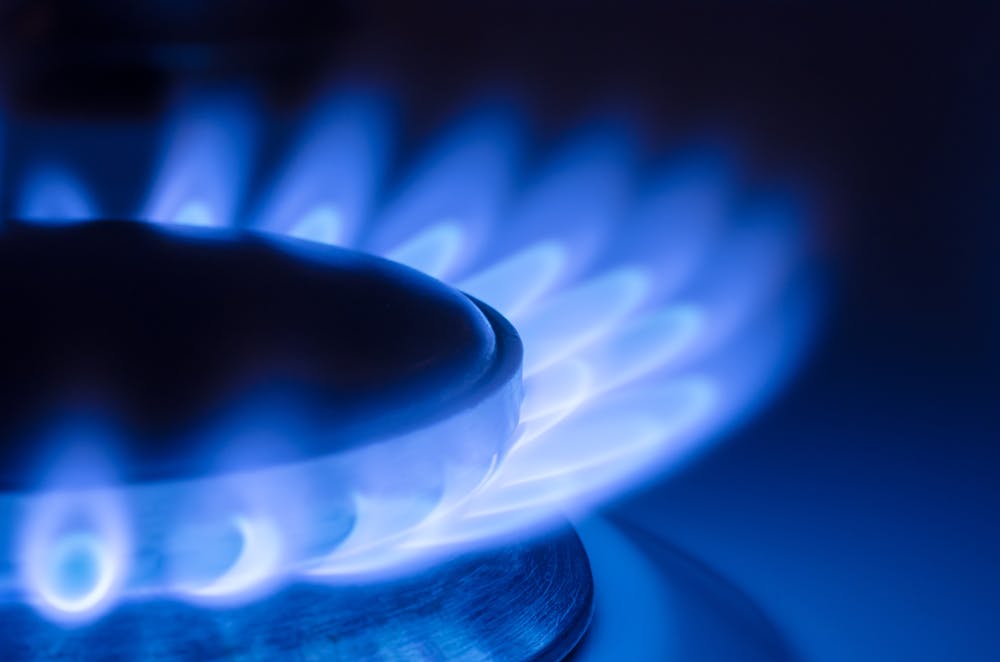 Gas prices have soared this year.
Shutterstock
Gas prices have soared this year.
Shutterstock
3. Impose a temporary tax on windfall fossil fuel profits and give Australian consumers the money
This is a good option, involving two steps. First: impose a windfall tax. That’s not too hard. You can get the Australian Competition and Consumer Commission to determine what the acceptable price was for oil and gas 18 months ago, and say anything above that is taxed at a windfall rate – up to 100%. The tricky part would be to collect this revenue and redistribute it to energy consumers.
Politically, it could be challenging, given Labor went to the election saying no new taxes. But the government would be so popular they could probably get away with breaking a promise by arguing that when things change, you have to change with them.
4. Impose a gas reservation policy for the east coast market
Many experts have suggested[4] introducing a gas reservation policy for the national market (in reality, that means most of Australia’s east coast plus South Australia). After all, Western Australia introduced a gas reservation policy after a previous energy crisis and it worked[5].
Yes, this would work to drive down energy prices. It’s just not the best idea. When you introduce policies like this, you force gas producers to set aside a percentage of their output for domestic use. This output floods the market and drives down prices. That’s overly complicated. If you want to bring the price down, you can bring the price down other ways.
Is the market failing – or working exactly as intended?
All of these options have one thing in common: governments intervening in markets in ways almost unthinkable a year ago.
Let’s play devil’s advocate for a minute. The market is doing precisely what it’s intended. There’s huge demand for the commodities of gas and coal, which are still used widely to produce electricity. That means whoever is prepared to pay most gets the commodity.
Even before this year’s energy crisis, gas-fired power was the most expensive option in Australia. In our auction-based energy system, the highest accepted bid for a specific time period sets the price for the next time period.
When gas power successfully bids into the grid, it sets new high prices for every other electricity provider, from coal to hydro to renewables. These all get windfall profits – and we cop the pain.
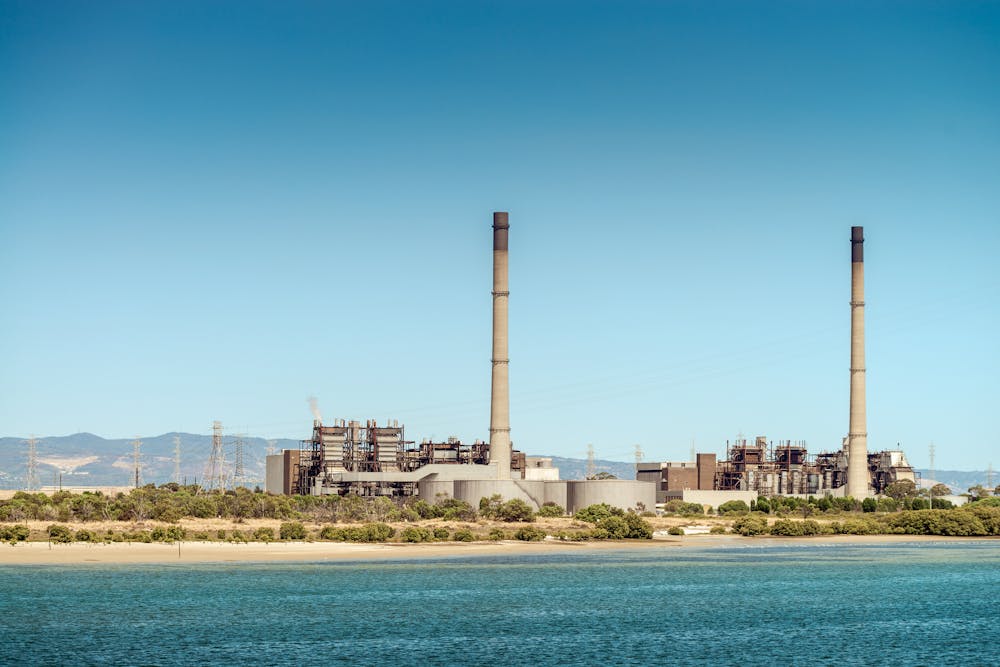 Gas power stations were already the most expensive source of electricity even before the price spikes.
Shutterstock
Gas power stations were already the most expensive source of electricity even before the price spikes.
Shutterstock
Market logic dictates that those who can’t afford to pay just have to deal with it. Businesses may go broke, consumers may have to radically cut back on energy use – but that’s just how the market works.
The problem, of course, is if it happens on a large scale, as we may well see next year. Lots of people will get extremely angry at the government. That’s why we’re seeing the government mulling the best way to intervene. They cannot allow it to happen.
I don’t envy the government. If they come up with a clean way to solve the problem, I will applaud enthusiastically. But the way it’s looking at the moment, it may be messy. Especially if companies or consumers begin clamouring for compensation.
Read more: The 'gas trigger' won't be enough to stop our energy crisis escalating. We need a domestic reservation policy[6]
References
- ^ met yesterday (www.theguardian.com)
- ^ 5 policy decisions from recent history that led to today's energy crisis (theconversation.com)
- ^ Reports suggest (www.theguardian.com)
- ^ have suggested (www.smh.com.au)
- ^ it worked (theconversation.com)
- ^ The 'gas trigger' won't be enough to stop our energy crisis escalating. We need a domestic reservation policy (theconversation.com)