Cutting GST on fresh produce won’t help those most in need – a targeted approach works better
- Written by: Ranjana Gupta, Senior Lecturer Taxation, Auckland University of Technology
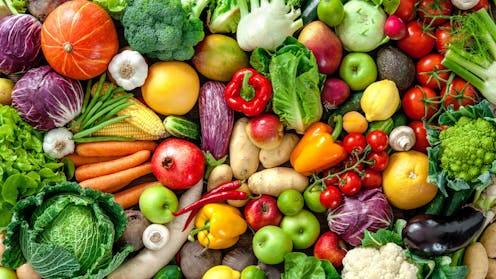
Food prices are rising at the fastest rate[1] in almost four decades, with fruit and vegetables up more than 22% in the past year. As often happens during a cost of living crisis, there have been calls to remove the goods and services tax (GST) from fresh produce.
But is this actually a good idea? And if not, what alternatives might there be to help people currently struggling to afford fruit and vegetables?
Supporters of removing GST argue the move will make healthy food more accessible for struggling families[2]. Removing GST from fresh produce is also meant to help tackle[3] New Zealand’s persistent obesity epidemic[4] – which accounts for 8.2% of total health expenditure[5] (around NZ$135 million) annually.
It is a popular idea. In 2022, 76% of New Zealanders surveyed[6] supported removing GST from food. But as some economists have warned[7], tinkering with the tax system might not actually deliver the desired results for low-income families. Put simply, those with the income to buy more fruit and vegetables – high-income households – will benefit the most from GST exemptions on fresh produce.
New Zealand currently has one of the most comprehensive and effective goods and services tax systems globally. Any changes would require substantial evidence demonstrating the benefits of change.
Additionally, as many households struggle to cover costs, any additional cash gained from eliminating GST from fresh produce will go towards more pressing expenses like rent and power. If the government wants to fight obesity during a cost-of-living crisis[8], it needs to develop a more targeted approach.
Looking beyond GST
My research, to be published later this year, looks into the literature on GST and tax expenditure from New Zealand, Australia, the United States and United Kingdom. I examined how different countries use a variety of tax measures to help low-income families buy fruit and vegetables.
I wanted to examine whether dropping GST would help reduce obesity by making nutritious food more accessible. In fact, the literature suggests it does not significantly improve affordability and healthy eating choices for such families.
These households tended to allocate additional income (or tax saved) to other food or non-food items, such as meats, clothing or housing.
My study shows there are more targeted options within New Zealand’s welfare system that can be used to help struggling families afford healthier foods.
Targeted assistance overseas
One option is to issue a GST refund[9] on fresh fruit and vegetables purchased.
But there is no guarantee the extra money will be spent on purchasing healthy food. Similar to removing GST before purchase, the extra money will likely be diverted to other more pressing priorities, particularly in low-income households.
If the primary aim of making fresh fruit and vegetables more affordable is to increase healthy eating, then a cash rebate won’t help. But there are policies in use overseas that New Zealand could use as a starting point to directly help low-income families afford fresh produce.
Read more: Cheaper food comes with other costs – why cutting GST isn't the answer[10]
One particularly interesting option is the targeted smart-card system for buying fruit and vegetables. In the US, it’s known as the Supplemental Nutrition Assistance Program scheme (SNAP[11]), and in Britain as the Healthy Start[12] scheme.
SNAP provides monthly funds for people to buy food using a benefit card (similar to a debit card) to buy groceries. They can’t use it to buy non-food items or alcohol. Healthy Start is for pregnant women and mothers with children under four to buy healthy food and milk, also delivered via a type of debit card.
What targeted help could look like
In New Zealand, we already have the food or hardship grants available through Work and Income. But these are only given in exceptional circumstances, and are limited to once every six months.
These food grants can also be used to buy anything an individual or family needs, including toiletries and other non-food items.
Introducing a regular and targeted healthy food grant via an electronic smart card would be a more effective way to ensure low-income families are able to access healthy food.
The cards could be protected with biometric data to prevent abuse or transfer. Eligibility criteria and account limits could be revised annually depending on the inflation rate to avoid any erosion of the card’s value.
Other ways to encourage healthy eating
The literature shows that a targeted smart-card system could help reduce New Zealand’s high obesity rate during the current cost of living crisis, if combined with an increase in education to prioritise healthy eating.
Instead of removing GST, the revenue gathered could be used to provide that extra nutritional information and education.
In 2013, the UK government implemented[13] its “Healthy food for healthy outcomes[14]” policy. Healthy food – and knowledge about nutrition – is treated as a vital element of school life and learning.
My research found that the costs of tampering with New Zealand’s current GST system far outweigh the benefits likely to accrue from such a change. A targeted smart-card scheme is arguably a more effective measure to improve affordability and healthy eating habits – and the benefits would outweigh the setup costs.
References
- ^ fastest rate (www.rnz.co.nz)
- ^ more accessible for struggling families (www.rnz.co.nz)
- ^ help tackle (www.nzherald.co.nz)
- ^ persistent obesity epidemic (www.health.govt.nz)
- ^ 8.2% of total health expenditure (www.oecd.org)
- ^ 76% of New Zealanders surveyed (www.newshub.co.nz)
- ^ economists have warned (www.rnz.co.nz)
- ^ obesity during a cost-of-living crisis (www.nature.com)
- ^ GST refund (theconversation.com)
- ^ Cheaper food comes with other costs – why cutting GST isn't the answer (theconversation.com)
- ^ SNAP (www.feedingamerica.org)
- ^ Healthy Start (www.healthystart.nhs.uk)
- ^ UK government implemented (onlinelibrary.wiley.com)
- ^ Healthy food for healthy outcomes (www.education-ni.gov.uk)