Why small businesses should be wary of cashing in on Barbiemania with their branding
- Written by: Graeme Austin, Chair of Private Law, Te Herenga Waka — Victoria University of Wellington
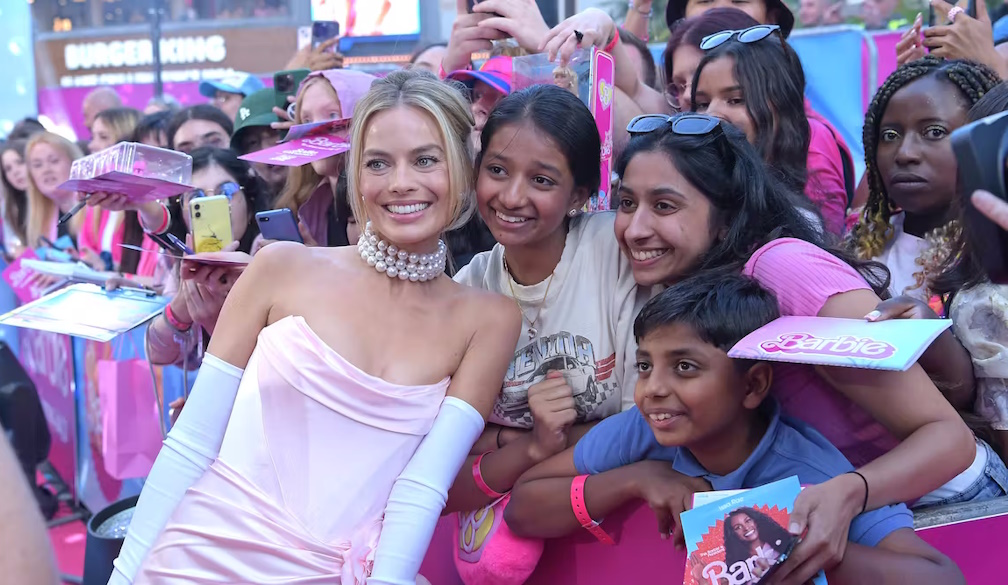
Blockbuster movie brand merchandising is a multi-billion-dollar industry.
That Buzz Lightyear bubble bath[1], Lightning McQueen bedding[2] or Elemental backpack[3] all contribute to a movie’s overall income stream.
And brand owners are in a constant battle against fake or unlicensed goods. The European Union Intellectual Property Office estimates[4] that counterfeits comprise around 2.5% of all world trade.
But successful brands also inspire well-meaning imitators such as Hobbit-themed pubs[5], Grinch-themed photoshoots[6], Harry Potter fan festivals[7], or, in New Zealand, a cleaning business van painted with “Minion” imagery[8]. Small businesses trying this kind of thing often get “cease and desist” letters from film studios, demanding they stop.
The success of Greta Gerwig’s Barbie[9] seems destined to encourage businesses to use elements of the film’s brand – from the distinctive lettering and colours[10] to the doll’s packaging and image.
But businesses in New Zealand and elsewhere need to consider the risk they face by infringing on Mattel’s intellectual property rights.
The rise of Barbie
Barbie was already a juggernaut brand before the release of the film. In 2002, an appellate judge in the United States[11] said “Mattel created not just a toy but a cultural icon”.
Mattel has been vigilant about controlling the Barbie image[12]. It tried to stop[13] conceptual artist Thomas Forsythe from creating artworks[14] depicting Barbie in perilous positions – such as in cocktail blenders and under an oven grill.
And in the late 1990s, Mattel tried to stop[15] Danish pop group Aqua from singing about Barbie.
Danish pop group Aqua’s song Barbie Girl topped charts worldwide, despite copyright issues. Getty ImagesRecently, Mattel convinced a court in China[16] to stop a local firm called Barbietang from registering “Barbie tang” as a trade mark for veterinarian services – including artificial insemination.
In 2022, Mattel settled a claim[17] against the use of “Barbie-Que” potato chips, apparently driving the product off the market.
Mattel’s legal strategies haven’t always worked. Forsythe won his case, and Mattel’s suit against MCA Records[18], Aqua’s North American record label, failed.
In 2006, the Supreme Court of Canada[19] held that the fame of the Barbie trademark was not enough to stop a restaurant from using the word “Barbie” in its own branding.
But for local businesses, these cases won’t offer much comfort. Often, just the threat of legal proceedings will be enough.
Read more: The reaction to 'X,' Elon Musk's rebrand of Twitter, reflects how we feel about brands[20]
Investing in brand protection
Serious concerns lie behind these enforcement efforts. Millions of dollars are spent on creating and sustaining brand images. What if Barbie-themed cruises, brunches, home decorating services and nightclub evenings aren’t any good? Will these poor imitations affect how people feel about the brand?
Mattel’s worldview has matured, as the Gerwig movie shows. It now seems open to some pretty sophisticated social commentary targeting its doll.
Yet it still has a strong interest in the Barbie image – boosted by the success of the film. A lacklustre “Barbie Brunch” could dim the brand’s shine. Brands can die by a thousand cuts.
Read more: In Greta Gerwig’s Barbie Land, the matriarchy can be just as bad as the patriarchy[21]
There’s another reason: money. As Mattel told the Canadian court, it is in the business of building brand equity – the commercial value that comes from consumer perception of a brand, which supports vast networks of licensing deals. It can be a firm’s most valuable asset.
Warding off unlicensed use of a brand protects new market segments[22]. Sitting back while others enter the market with the same brand risks losing money. It’s not just poor imitations that matter. Any unlicensed use of the brand can take away market share.
What is a brand?
For all its importance, a “brand” is not a distinct legal category. Brand equity is protected by an array of intellectual property (IP) rights. Trademarks, copyrights and business goodwill work together to create and protect the valuable asset known as a “brand”.
The Canadian restaurant wanted only to use the word “Barbie”. The court was not convinced this would cause consumer confusion. This decision might have been different if the restaurant’s goods and services had been more similar to Mattel’s.
Read more: How I learned to stop worrying and love the doll – a feminist philosopher's journey back to Barbie[23]
And it would have been a totally different case if the restaurant had also copied Barbie artwork, infringing Mattel’s copyrights.
Importantly, copyright rules protect against copying – brand owners don’t need to show that the copying will damage its reputation or jeopardise its market share.
A global network of IP treaties
Some will bridle at foreign firms using their IP muscle against New Zealand firms.
But international protection of IP has been around since at least the end of the 19th century. Owners of strong trademarks have also had entry into some markets blocked by businesses who used the brand first.
Aotearoa New Zealand is now party to a network of international IP treaties[24] that help prevent this from happening.
These treaties are often linked to trade. Protecting IP is part of the quid pro quo for lowering tariffs for our goods in foreign markets. And it works the other way around: local artists and creative brand developers enjoy reciprocal protections for their IP in foreign markets.
For a small business getting a “cease and desist” letter, this can seem like cold comfort. Repainting a van or rebranding a pub is an irritating expense.
But when the IP system works well, it encourages creativity. To avoid problems, local firms need to come up with their own original brands and imagery. As with any branding strategy, that will require investment and creativity. But these efforts enrich our culture and, it’s hoped, the local businesses that do the hard yards.
References
- ^ Buzz Lightyear bubble bath (www.ebay.com)
- ^ Lightning McQueen bedding (www.amazon.com)
- ^ Elemental backpack (woowcool.com)
- ^ estimates (euipo.europa.eu)
- ^ Hobbit-themed pubs (www.dailymail.co.uk)
- ^ Grinch-themed photoshoots (petapixel.com)
- ^ Harry Potter fan festivals (www.nzherald.co.nz)
- ^ Minion” imagery (www.stuff.co.nz)
- ^ success of Greta Gerwig’s Barbie (www.theguardian.com)
- ^ distinctive lettering and colours (www.thefashionlaw.com)
- ^ appellate judge in the United States (caselaw.findlaw.com)
- ^ controlling the Barbie image (www.nytimes.com)
- ^ tried to stop (www.artistrights.info)
- ^ creating artworks (emilybordon.wordpress.com)
- ^ tried to stop (caselaw.findlaw.com)
- ^ convinced a court in China (www.natlawreview.com)
- ^ settled a claim (www.reuters.com)
- ^ suit against MCA Records (www.theguardian.com)
- ^ Supreme Court of Canada (scc-csc.lexum.com)
- ^ The reaction to 'X,' Elon Musk's rebrand of Twitter, reflects how we feel about brands (theconversation.com)
- ^ In Greta Gerwig’s Barbie Land, the matriarchy can be just as bad as the patriarchy (theconversation.com)
- ^ protects new market segments (hbr.org)
- ^ How I learned to stop worrying and love the doll – a feminist philosopher's journey back to Barbie (theconversation.com)
- ^ network of international IP treaties (www.iponz.govt.nz)